
Seoul 3-Day Itinerary: The Best Route for First-Time Visitors
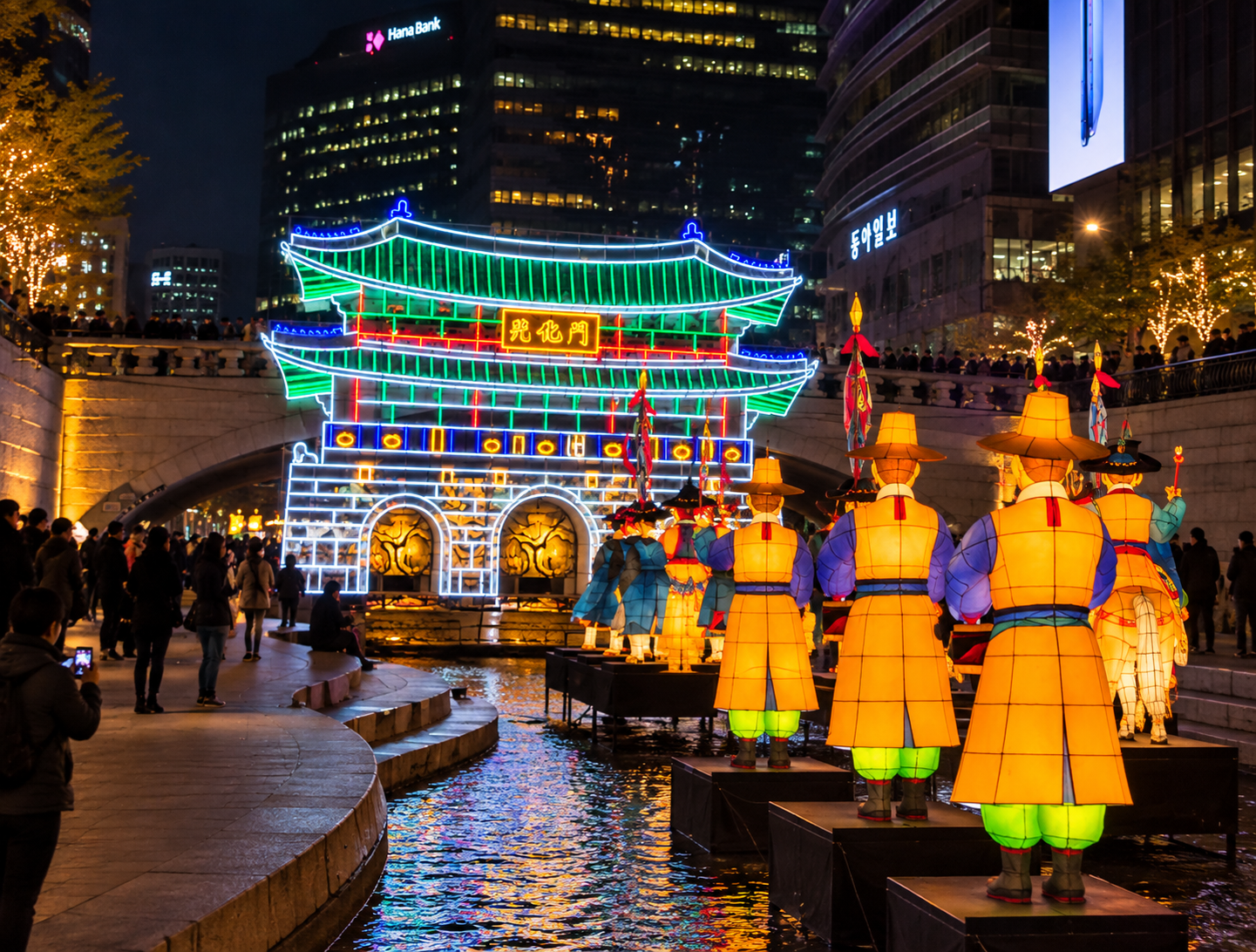
If this is your first trip to Seoul and you only have three full days, this 3 day Seoul itinerary will help you plan a realistic route without trying to visit every famous neighborhood at once. Seoul is much larger than it looks on a map, and crossing the city several times a day can quickly waste hours.
I designed this route differently by grouping each day by location, so you can spend more time exploring and less time sitting on the subway.
You’ll start with palaces, hanok streets and Myeongdong, move to Seongsu, Gangnam and the Han River on Day 2, then finish with Hongdae, Mangwon and Namsan. If visiting the DMZ is high on your list, I’ve also included an alternative Day 3 route.
Day 2: Seongsu → Seoul Forest → COEX → Han River
Day 3: Yeonnam → Hongdae → Mangwon → Namsan
Alternative: Replace most of Day 3 with a pre-booked DMZ tour.
This 3 day Seoul itinerary assumes three full sightseeing days. If your arrival or departure day includes an Incheon Airport transfer, I recommend removing one neighborhood instead of rushing through the entire schedule.
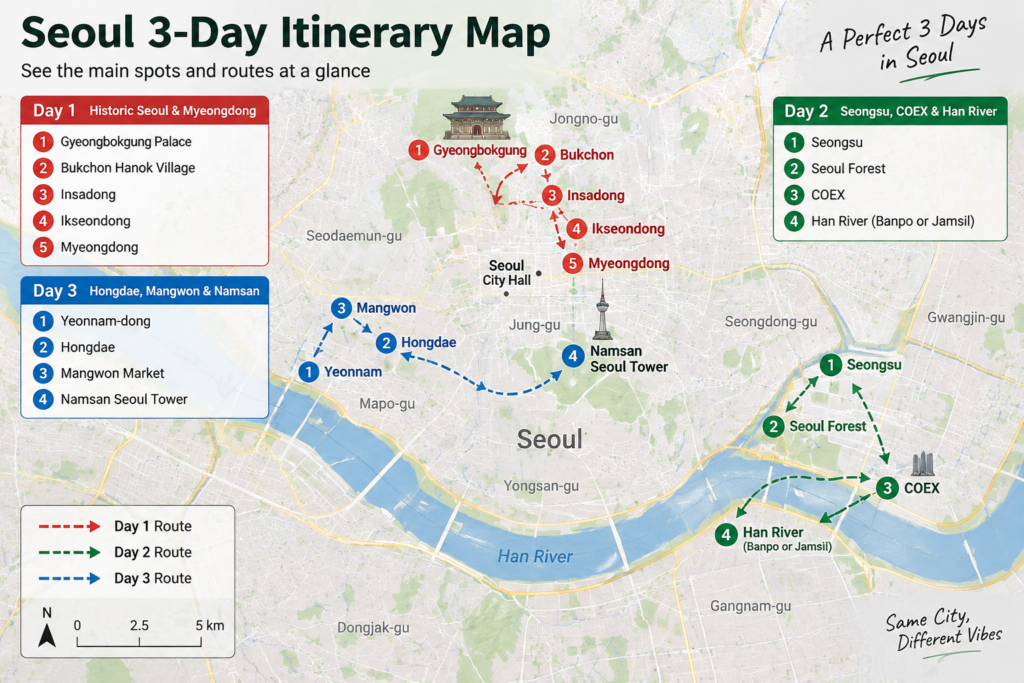
Seoul 3-Day Itinerary at a Glance
Here’s how the three days fit together. Each day focuses on one part of Seoul to keep unnecessary travel time to a minimum.
Budget note: These estimates cover local transportation, regular meals, cafés and standard admission fees. Accommodation, shopping, premium restaurants and guided-tour prices are not included unless specifically mentioned.
Where to Stay for This 3-Day Seoul Itinerary
For a short three-day trip, where you stay matters more than you might expect. Choosing the right neighborhood can save a surprising amount of subway time over three days.
Myeongdong or Euljiro — Best all-around choice
The most convenient base for this itinerary. You are close to Gyeongbokgung, Insadong, Myeongdong and Namsan, with easy subway connections to Hongdae, Seongsu and Gangnam.
Hongdae — Best for nightlife & airport access
A good choice if cafés, nightlife and easy AREX access are priorities. Expect a little more travel time on the palace and Gangnam days.
Gangnam — Best for modern Seoul & shopping
Convenient for COEX, Jamsil and southern Seoul, but less efficient if palaces and traditional neighborhoods are a major part of your first trip.
Want to compare the neighborhoods in more detail? Read my Where to Stay in Seoul: Best Areas for First-Time Visitors guide before booking.
Day 1: Palaces, Hanok Streets and Central Seoul
09:00 Gyeongbokgung → 11:30 Bukchon & Samcheong-dong → 13:00 Lunch → 14:30 Insadong & Ikseondong → 17:30 Cheonggyecheon & Myeongdong
Day 1 stays almost entirely in Seoul’s historic center, so this is one of the easiest days to explore mostly on foot. The route moves naturally from Gyeongbokgung through the hanok neighborhoods and into Insadong before finishing around Myeongdong.
Wear comfortable shoes. Between the palace grounds, Bukchon’s hills and the pedestrian streets, walking more than 15,000 steps during the day is completely realistic.
9:00–11:30: Gyeongbokgung Palace
Start at Gyeongbokgung as close to opening time as possible. You will have more room to explore the palace grounds before the larger tour groups and daytime crowds arrive.
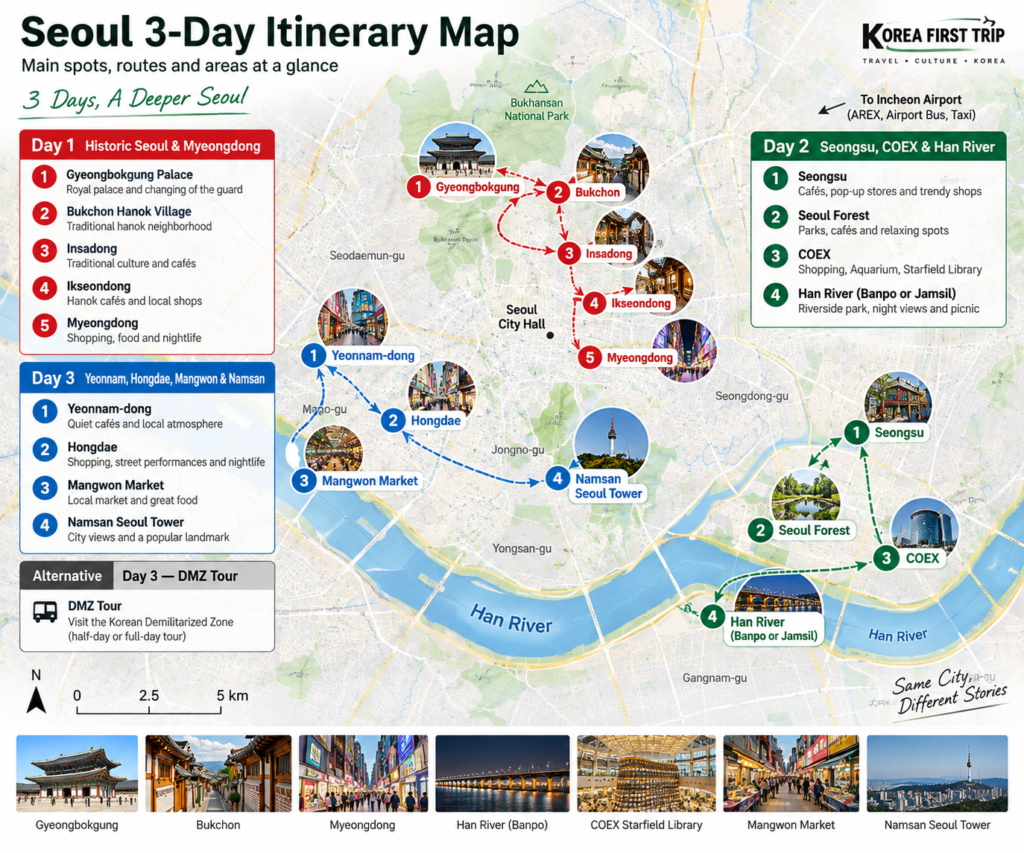
Allow around 90 minutes for a straightforward palace visit. If you want to rent hanbok, take plenty of photos and explore more of the grounds, plan closer to two to three hours.
Hanbok rental shops are concentrated around the palace area. Prices vary by rental time, outfit style, hair styling and accessories, so the cheapest advertised price is not always the final price you will pay.
Want to compare the options first? Read my Gyeongbokgung Hanbok Rental Guide for a more detailed comparison of rental options, prices and what to check before booking.
11:30–13:00: Bukchon and Samcheong-dong
From Gyeongbokgung, continue toward Samcheong-dong and Bukchon Hanok Village. This keeps you moving in the right direction without wasting time returning to the subway after the palace.
Bukchon is a real residential neighborhood, not an outdoor museum. Keep your voice down, do not block gates or private entrances, and follow any signs restricting visitor access to residential streets.
13:00–14:30: Korean Lunch
This is a good point to stop for lunch before continuing into Insadong. Easy first-trip choices include bibimbap, mandu (Korean dumplings), kalguksu (knife-cut noodles) or a Korean set meal.
For a casual meal, budgeting around KRW 10,000–20,000 per person is reasonable, although traditional set menus and more popular restaurants can cost considerably more.
14:30–17:30: Insadong and Ikseondong
Continue into Insadong for traditional tea, crafts, stationery and Korean-style souvenirs. It is certainly tourist-friendly, but that also makes it one of the easiest areas for a first-time visitor to browse several types of traditional gifts without traveling across the city.
From Insadong, walk to nearby Ikseondong. Its narrow alleys are filled with restored hanok buildings that now house cafés, dessert shops, restaurants and small boutiques.
Ikseondong becomes busy in the afternoon, so I would treat it as a flexible café and walking stop rather than building your schedule around one famous café. Spend an hour or so here, then continue toward Cheonggyecheon and Myeongdong for the evening.
17:30–Evening: Cheonggyecheon and Myeongdong
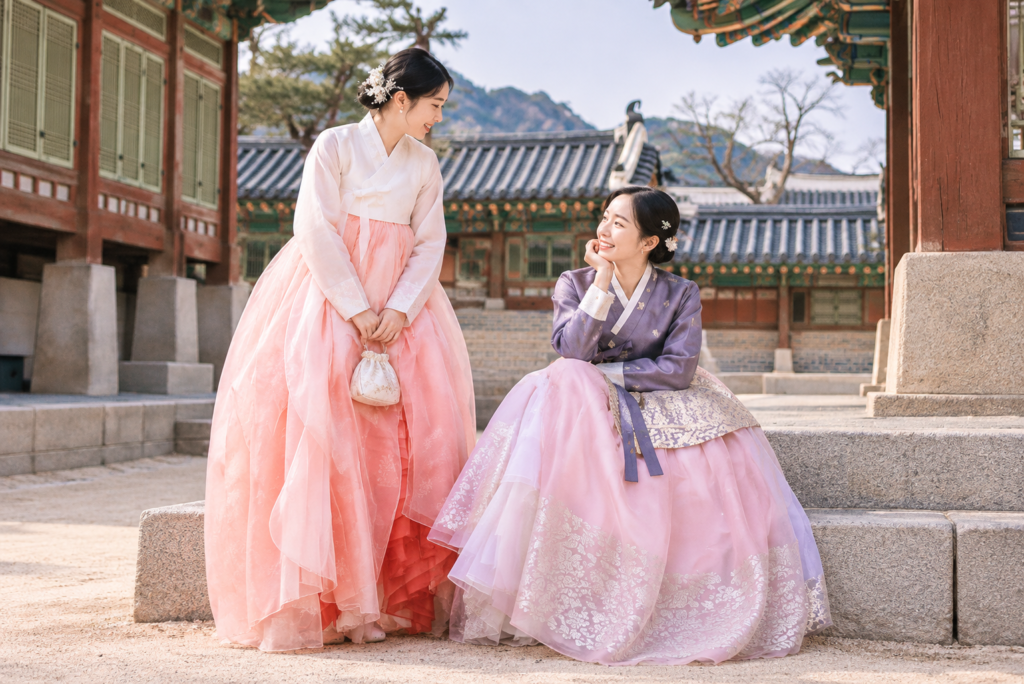
After Ikseondong, head toward Cheonggyecheon Stream and walk along the water for a short break before dinner. You do not need to cover the entire stream—around 20 to 30 minutes is enough to enjoy the atmosphere before continuing toward Myeongdong.
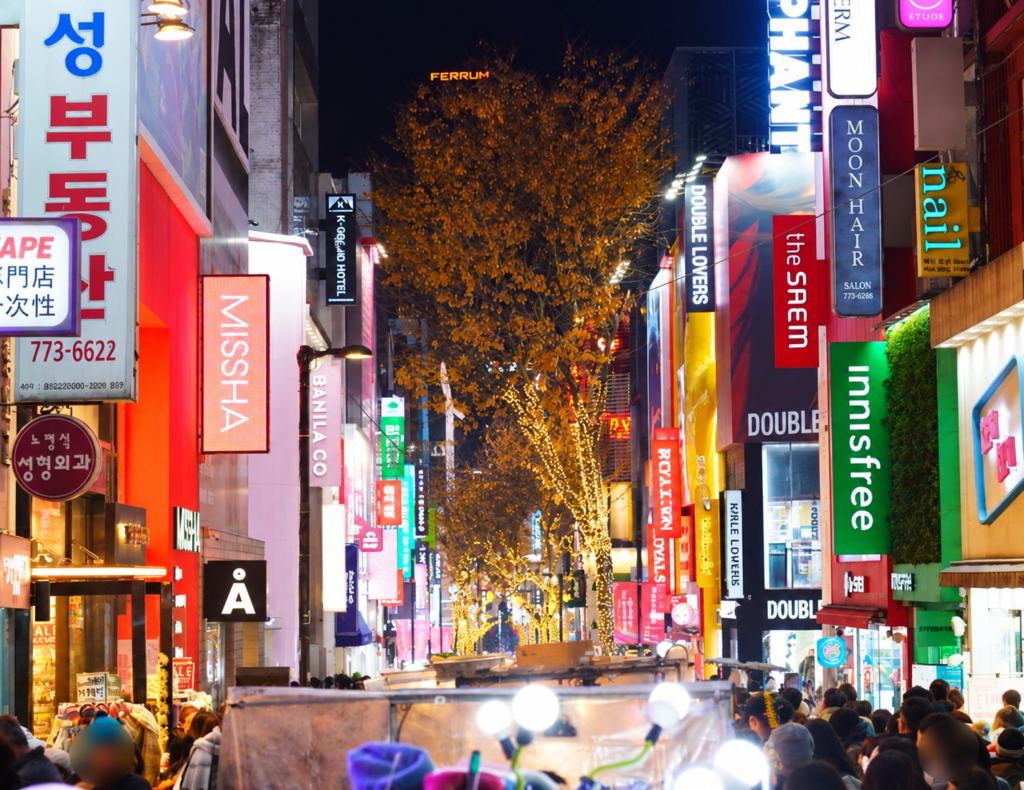
Spend the rest of the evening in Myeongdong. This is an easy place to combine dinner with Korean beauty shopping, fashion stores, convenience stores and street-food stalls without adding another long subway trip to your day.
If you want to try street food, treat it as part of dinner rather than something you have to check off one stall at a time. Myeongdong is busy and tourist-oriented, but it is convenient when you want food and shopping in the same area after a long sightseeing day.
Day 2: Seongsu, Gangnam and the Han River
10:00 Seongsu → 12:00 Seoul Forest → 13:00 Lunch → 15:00 COEX → 18:00 Banpo or Jamsil
Day 2 is about modern Seoul. Instead of palaces and hanok streets, you’ll spend the day around cafés, fashion, pop-up stores, Seoul Forest, one of the city’s largest shopping complexes and the Han River.
There is more subway travel than on Day 1, but the route stays mainly on the eastern and southeastern side of Seoul. The key is to avoid bouncing back and forth between neighborhoods.
10:00–12:00: Seongsu
Start the morning in Seongsu, one of Seoul’s most popular areas for cafés, fashion, lifestyle stores and brand pop-ups. Former warehouses and industrial buildings have been converted into cafés and shops, giving the neighborhood a very different feel from central Seoul.
There is little reason to arrive extremely early. Many cafés and independent stores open around late morning, so arriving at about 10:00–11:00 usually works well for this itinerary.
Pop-up stores change constantly. Some accept walk-ins, while others may use advance reservations, waiting lists or same-day queues. Check the brand’s current entry information before traveling across Seoul specifically for one pop-up.
You do not need a checklist of famous cafés here. Pick one or two places that look interesting, browse the surrounding streets and leave enough time for Seoul Forest. Seongsu is more enjoyable when you explore it as a neighborhood rather than rush from one viral shop to another.
12:00–14:00: Seoul Forest and Lunch
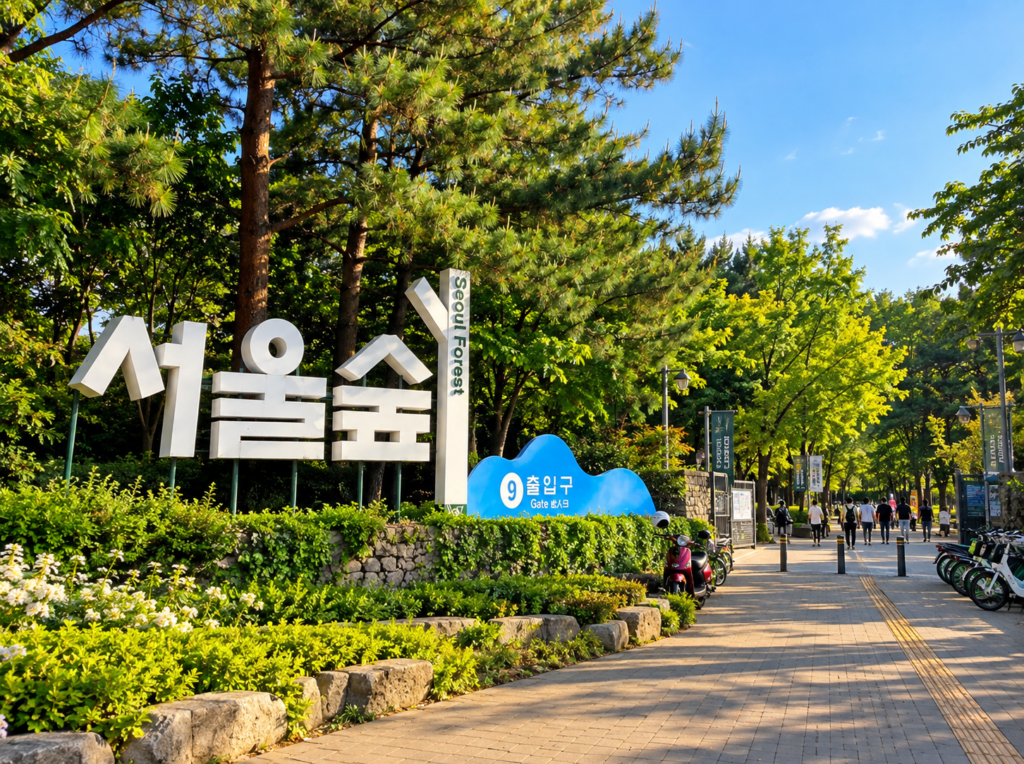
From Seongsu, continue toward Seoul Forest. The two areas are close enough to combine naturally, and the park gives you a break after a morning of cafés and shopping.
You do not need several hours here on a three-day trip. Around 45–60 minutes is enough for a relaxed walk unless you are visiting during cherry blossom season or autumn foliage and want more time for photos.
For lunch, stay around Seongsu, Seoul Forest or Ttukseom rather than traveling somewhere else just for a famous restaurant. There are plenty of casual Korean restaurants, cafés and newer dining spots around this area.
15:00–17:30: COEX and Starfield Library
After lunch, head south to Samseong Station and COEX. This is one of the easiest places to combine several modern Seoul attractions without moving between different neighborhoods.
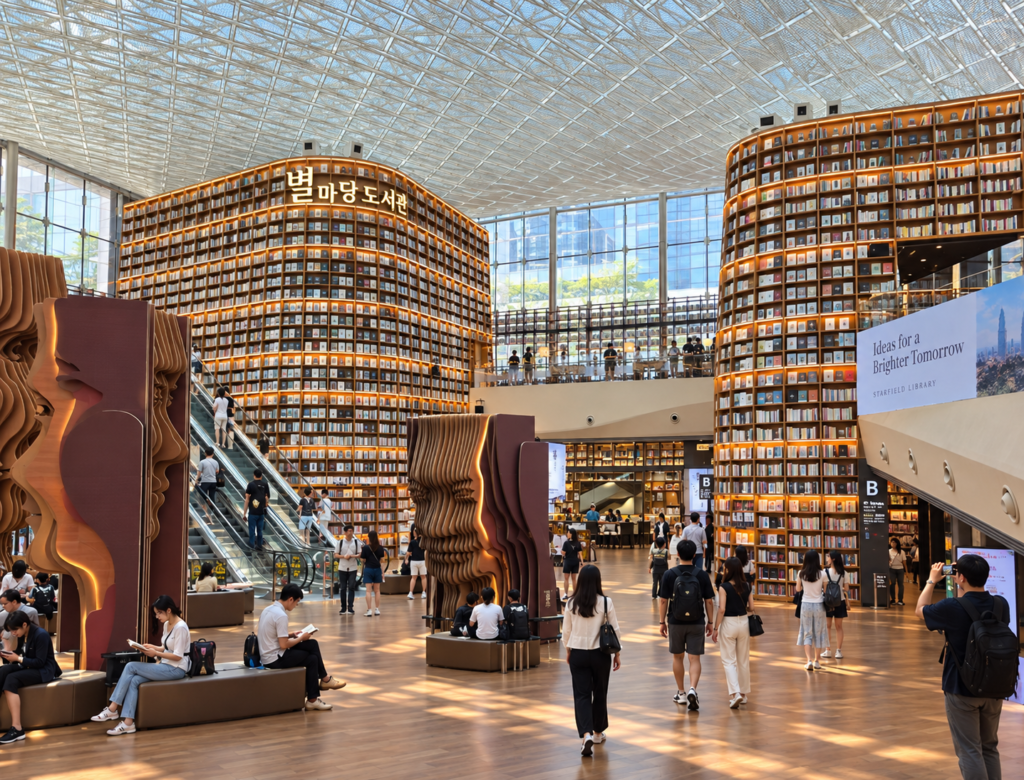
Start with Starfield Library, located inside COEX Mall. The library itself is free to enter, and its huge bookshelves make it one of the most recognizable indoor spaces in Seoul.
For most first-time visitors, 20–30 minutes at the library is enough. Stay longer only if you also want to shop, stop at a café or explore more of COEX.
Walk across the road to Bongeunsa Temple for a completely different atmosphere, or stay inside COEX for shopping and other indoor attractions. If it rains, this is also one of the easiest parts of the itinerary to extend indoors.
18:00–Evening: Banpo or Jamsil?
For the evening, choose one rather than trying to visit both. Banpo and Jamsil offer very different ways to finish Day 2.
Day 3: Hongdae, Mangwon and Namsan
10:00 Yeonnam-dong → 11:30 Hongdae → 13:30 Mangwon Market → 15:30 Mangwon Hangang Park → 18:00 Namsan
Day 3 is intentionally more flexible. After two full sightseeing days, you can slow down for cafés and shopping, spend longer by the Han River if the weather is good, or shorten the daytime route if you want more time in Hongdae.
The route stays mostly in western Seoul before finishing at Namsan in the evening. If visiting the DMZ is one of your priorities, you can also replace most of this daytime itinerary with a DMZ tour.
10:00–13:00: Yeonnam-dong and Hongdae
Start around Gyeongui Line Forest Park in Yeonnam-dong and slowly make your way toward Hongdae. Yeonnam has a quieter neighborhood feel, with cafés, restaurants and small shops lining the streets around the park.
As you get closer to Hongik University Station, the atmosphere changes. Hongdae is busier and better for Korean fashion, beauty stores, photo booths, character shops, street culture and people-watching.
Do not arrive too early just to check Hongdae off your list. Many shops begin opening in the late morning or around noon, so starting in Yeonnam and gradually walking toward Hongdae fits the timing naturally.
Keep the morning shorter and return to Hongdae after Namsan. Hongdae feels very different after dark, so travelers interested in nightlife may enjoy it more in the evening than during the morning.
13:30–16:30: Mangwon Market and the Han River
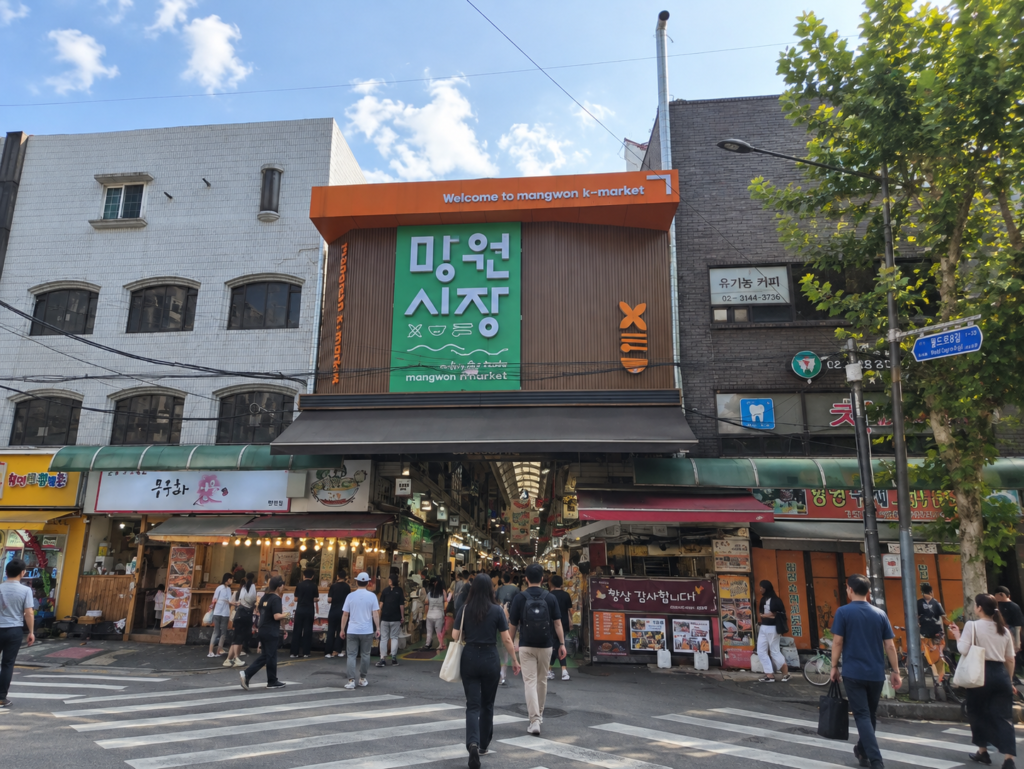
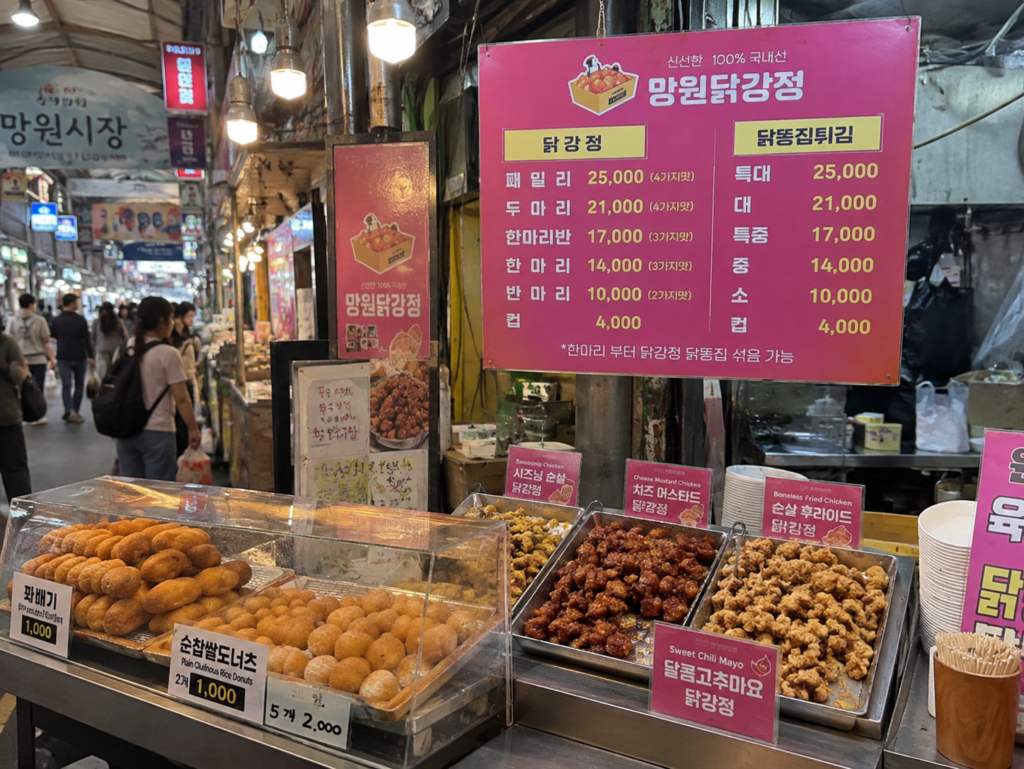
Next, head to Mangwon Market for lunch. It is a good place to try several inexpensive Korean foods without committing to a long restaurant meal.
Popular choices include mandu (Korean dumplings), fried chicken, noodles, hotteok and other takeaway snacks. Instead of buying everything that looks interesting, try two or three items and leave room for anything you find while walking through the market.
After lunch, continue to Mangwon Hangang Park. If the weather is good, this is a relaxed place to sit by the Han River before returning toward central Seoul.
You do not need to spend the entire afternoon here. Around 45–60 minutes is enough for most three-day itineraries. On a rainy, extremely hot or very cold day, skip the river stop and use the extra time for Hongdae, shopping or an earlier trip to Namsan.
18:00–Evening: Namsan and N Seoul Tower
Finish your three days in Seoul at Namsan, where you can watch the city light up as the sun goes down. After a relatively relaxed afternoon around Mangwon, this makes a memorable final stop without adding another full sightseeing area to the day.
You can reach Namsan by bus, walk up the mountain or use the Namsan Cable Car. If you have already walked a lot during the day, there is no reason to force yourself to hike to the top just for the experience.
You do not need an observatory ticket to enjoy Namsan. The outdoor areas around N Seoul Tower already offer city views, so paying for the observatory is optional.
If you do want to go up to the N Seoul Tower Observatory, sunset and early evening are popular times. Check the ticket conditions before booking, especially whether the ticket can be used directly or needs to be exchanged before entry.
Day 3 Alternative: Take a DMZ Tour
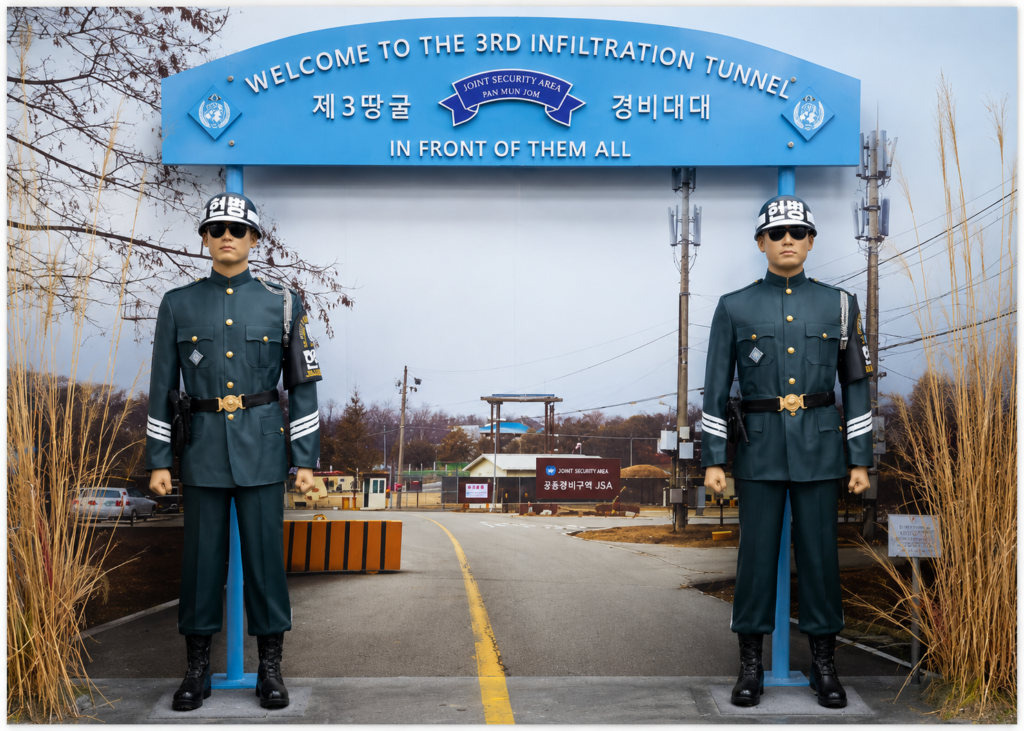
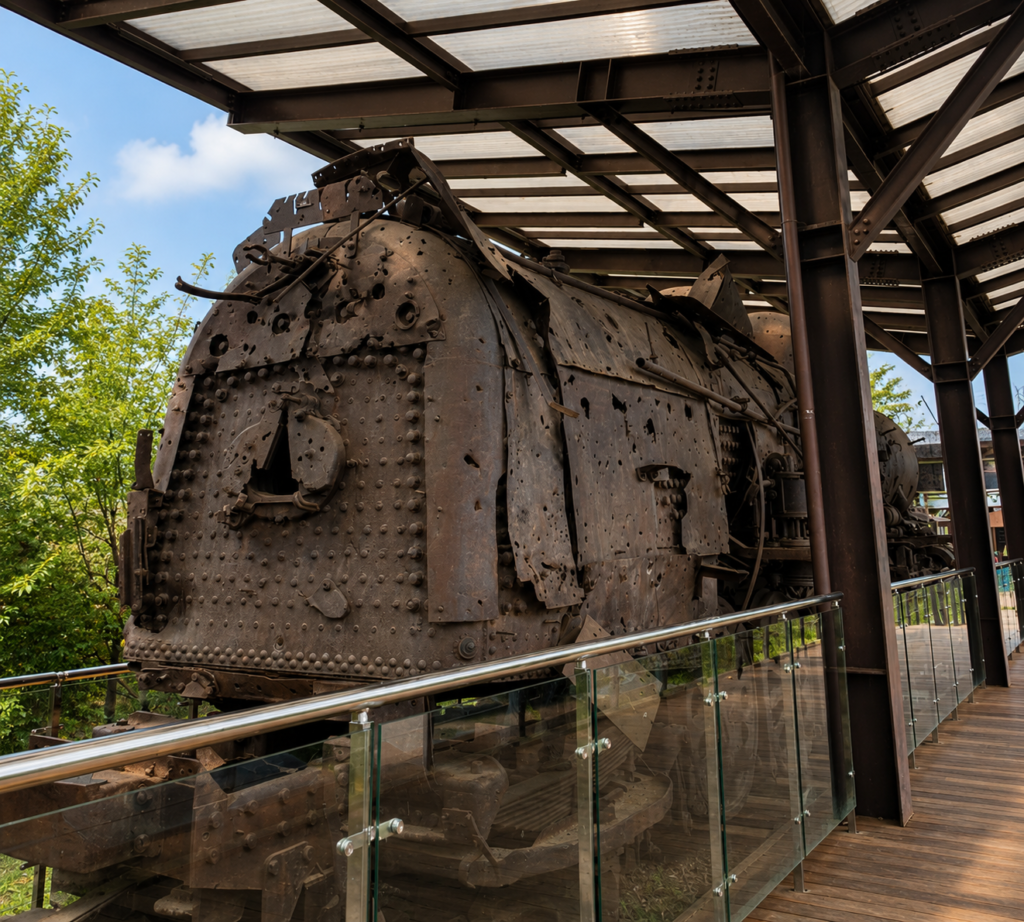
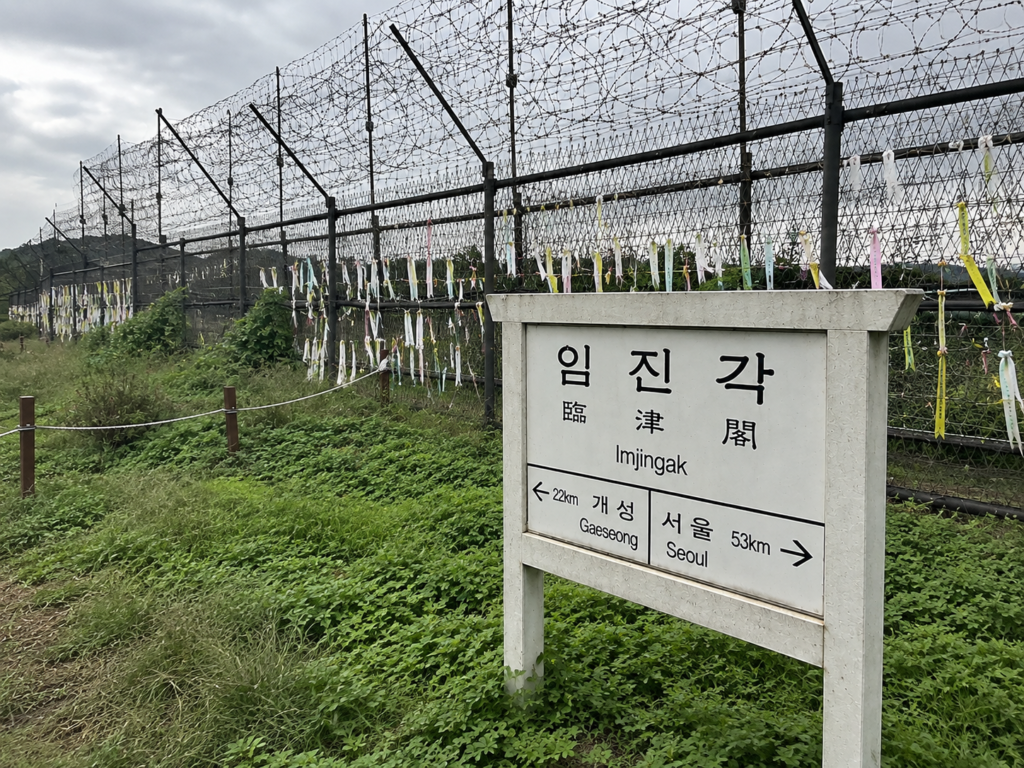
If Korean history is high on your list, consider replacing most of Day 3 with a DMZ tour from Seoul. It gives you a very different experience from the palaces, shopping districts and neighborhoods covered during the first two days.
Most tours leave Seoul in the morning, but the exact departure point, duration and return time depend on the tour you book. Military restrictions and local conditions can also affect the itinerary, so keep your evening plans flexible.
Check the pickup location, departure time, included admission fees, passport requirements and cancellation policy. Also confirm exactly which sites are included in the itinerary.
Do not assume that a tour includes the Joint Security Area (JSA) simply because the booking page shows DMZ or JSA-related images. Check the actual itinerary and current access conditions before booking.
Not sure which tour to choose? Read my DMZ Tour from Seoul Guide for a detailed comparison before booking.
How Much Does 3 Days in Seoul Cost?
For three full sightseeing days, a reasonable budget is around KRW 140,000–305,000 per person for a budget-conscious trip, or around KRW 350,000–680,000 if you plan to eat more comfortably, take occasional taxis and add paid attractions.
Important: These estimates do not include accommodation, flights or major shopping.
Budget-conscious traveler: about KRW 140,000–305,000
Comfort-focused traveler: about KRW 350,000–680,000
Accommodation, flights and major shopping are not included.
Hotel prices vary too much by season and neighborhood to include them in one useful total. On a short trip, however, paying a little more for a well-located hotel can be worthwhile if it saves repeated subway trips or late-night taxi rides.
Transport and Payment Tips
Use Naver Map or KakaoMap
For getting around Seoul, Naver Map and KakaoMap are useful for checking subway routes, bus connections and walking directions. Install at least one before your trip rather than waiting until you are standing inside a busy station.
Save your hotel and the main places in this itinerary in advance. This makes it much easier to check the next route without repeatedly searching for attraction names while you are on the move.
Carry a Transit Card and Some Korean Won
A T-money card is one of the easiest options for using Seoul’s subway and bus network. Instead of buying a separate ticket for every ride, you can tap the card when entering and leaving the system.
Credit and debit cards are widely accepted in Seoul, but keeping a small amount of Korean won is still useful for traditional markets, small purchases and situations where cash is needed to recharge a transit card.
Avoid Rush Hour When Possible
Seoul’s subway becomes much busier during weekday commuting hours. You do not need to redesign the entire itinerary around rush hour, but if you have large luggage or several bags, avoiding the busiest periods will make the journey much easier.
Common 3-Day Seoul Itinerary Mistakes
Three days in Seoul goes quickly. Most itinerary problems come from trying to fit too much into each day rather than missing one particular attraction.
1. Crossing Seoul several times in one day
Gyeongbokgung, Hongdae, Gangnam and Jamsil may all look manageable on a map, but combining them in one sightseeing day wastes too much time in transit.
2. Forgetting closing days and operating hours
Palaces, museums and individual attractions do not all follow the same schedule. Check the places that matter most to you before fixing each day.
3. Booking a tight evening after a DMZ tour
Traffic, tour operations and military-related conditions can affect return times. Avoid putting an expensive non-refundable reservation immediately afterward.
4. Carrying luggage around Seoul all day
Leave your bags at your hotel when possible or use a suitable luggage-storage service rather than taking large suitcases through crowded sightseeing areas.
5. Building the day around one temporary pop-up
Seongsu and Hongdae pop-ups can change quickly. Dates, reservations and queue systems may be different by the time you arrive.
6. Assuming Seoul starts early everywhere
Palaces and traditional sightseeing areas work well in the morning, but many shops and cafés in Hongdae and Seongsu become more active later.
7. Depending on seasonal events
Cherry blossoms, autumn foliage, fountain shows and outdoor events are affected by weather and operating conditions. Treat them as a bonus rather than the foundation of your itinerary.
How to Adjust This Seoul Itinerary
No three-day Seoul itinerary works perfectly for every traveler. Use the route above as a base, then make a few simple changes depending on the weather and what you actually want to see.
If It Rains
Keep indoor-friendly stops such as COEX and Myeongdong, and shorten outdoor-heavy stops such as Bukchon, Seoul Forest and the Han River. Museums, department stores, cafés and other indoor attractions can fill the remaining time.
If You Love Korean History
Spend less time in Seongsu and add another palace, Jongmyo or a museum. You can also replace the western Seoul portion of Day 3 with a DMZ tour.
If Shopping Is Your Priority
Shorten Bukchon, Seoul Forest or the river stops and give yourself more time in Myeongdong, Hongdae, Seongsu or Gangnam. Which area deserves more time depends on whether you are looking for beauty products, independent fashion, pop-ups or larger shopping complexes.
If You Have Only 2 Full Days
Keep Day 1 largely unchanged. For your second day, choose one side of Seoul: either Seongsu and Gangnam, or Hongdae and Namsan. Trying to combine both sides removes most of the advantage of this itinerary.
If You Have a Fourth Day
A fourth day gives you much more flexibility. You can add the DMZ without sacrificing Hongdae and Mangwon, take a day trip outside Seoul, or simply slow down and spend more time in the neighborhoods you enjoyed most.
Frequently Asked Questions
Is 3 days enough for Seoul?
Yes, three full days is enough for a good first introduction to Seoul. You can see major historic areas, experience modern neighborhoods, shop and spend time around the Han River. However, three days is not enough to see every major district and take multiple day trips, so four or five days gives you considerably more flexibility.
Where should I stay for a first trip to Seoul?
For this itinerary, Myeongdong or Euljiro makes a convenient central base. Hongdae is useful if nightlife and airport access are priorities, while Gangnam works better for travelers mainly interested in shopping and modern southern Seoul.
Can I visit Gyeongbokgung and the DMZ on the same day?
Some tour schedules may make it technically possible, but I would not build a first three-day trip around that combination. DMZ return times can vary, so treating it as a separate daytime activity gives you more flexibility.
Do I need to book Seoul attractions in advance?
Not for most neighborhoods, markets and ordinary sightseeing. Advance booking is more useful for guided tours, limited-capacity activities and attractions where you want a specific time slot. For anything important to your trip, check the current booking conditions before you go.
How much cash should I carry in Seoul?
You do not need to carry a large amount. Cards are widely accepted at hotels, restaurants and major retailers. Keep some Korean won available for traditional markets, small purchases and transit-card recharging situations where cash may be needed.
Day 2: Seongsu → Seoul Forest → COEX → Banpo or Jamsil
Day 3: Yeonnam → Hongdae → Mangwon → Namsan
Alternative: Replace most of Day 3 with a DMZ tour
Final Thoughts
For your first trip, the goal should not be to see every famous place in Seoul. It should be to see different sides of the city without spending half your trip in transit.
Day 1 gives you palaces, hanok streets and central Seoul. Day 2 moves into Seongsu, Gangnam and the Han River. Day 3 slows down around western Seoul before finishing with the city lights from Namsan.
If the DMZ matters more to you than another neighborhood day, use it as your Day 3 alternative rather than squeezing it between unrelated attractions.
Three days will not show you everything Seoul has to offer—and that is fine. Keep the route realistic, leave a little room for places you discover along the way, and your first Seoul trip will feel much less rushed.