
How Much Does a 7-Day Trip to South Korea Really Cost in 2026?
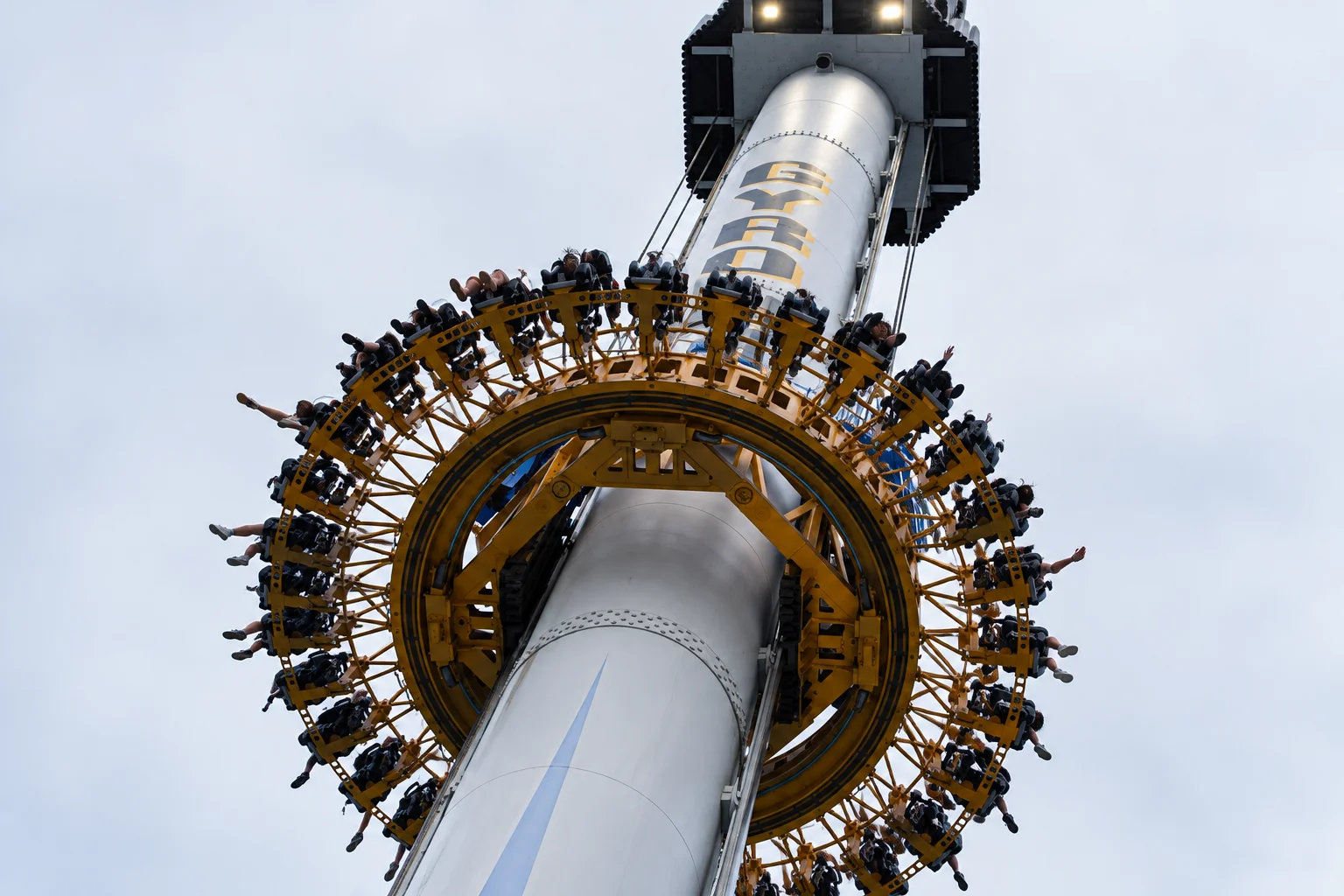
You can eat a decent meal in Seoul for less than ₩10,000, visit a historic palace for just a few thousand won, and still be surprised by how quickly your travel budget disappears.
Hotels, shopping, and paid experiences usually make the biggest difference. A few extra taxi rides or coffee stops can add up, too.
So, how much should you actually budget for a week in South Korea?
7-Day South Korea Trip Cost at a Glance
Per person · 6 nights / 7 days · Mainly Seoul · International flights excluded
These are realistic planning estimates, not fixed prices. Where you stay, how often you eat out, and which experiences you choose will make a big difference.
Below, we’ll look at where the money goes, what you can save on, and the extra costs first-time visitors often overlook.
South Korea Trip Cost: 7-Day Budget Breakdown
Let’s start with the numbers. For a first trip to South Korea, your biggest decision isn’t whether to eat street food or sit down at a restaurant. It’s where you’re going to stay, and how much you’re willing to pay for convenience.
A week in Seoul can be surprisingly affordable if you’re happy with a hostel, public transportation, and casual local meals. But if you’d rather have your own hotel room, visit a few paid attractions, and enjoy the occasional taxi ride, you’ll need a noticeably bigger budget.
Here’s what a six-night, seven-day trip could look like for one person.
| Expense | Budget | Mid-range | Comfort |
|---|---|---|---|
| Accommodation (6 nights) | ₩270,000 | ₩690,000 | ₩1,380,000 |
| Food (7 days) | ₩175,000 | ₩315,000 | ₩525,000 |
| Local transportation | ₩35,000 | ₩45,000 | ₩90,000 |
| Airport transfers | ₩15,000 | ₩25,000 | ₩120,000 |
| Attractions & activities | ₩50,000 | ₩160,000 | ₩350,000 |
| eSIM / mobile data | ₩15,000 | ₩25,000 | ₩40,000 |
| Shopping & extras | ₩60,000 | ₩120,000 | ₩250,000 |
| Total | ₩620,000 | ₩1,380,000 | ₩2,755,000 |
These are estimated planning budgets for one adult spending six nights and seven days mainly in Seoul in 2026. International flights are excluded. Accommodation assumes one traveler paying for their own room or bed. Actual prices depend on travel dates, booking choices, and personal spending habits.
What Do These Budgets Actually Feel Like?
₩620,000 — The budget trip. Think hostel beds, convenience-store breakfasts, neighborhood restaurants, and the subway rather than taxis. You’ll still be able to explore Seoul properly. You’ll just need to be selective about paid attractions and shopping.
₩1,380,000 — The comfortable middle ground. This gives you room for a private hotel room, regular restaurant meals, a few paid experiences, and some shopping without checking your balance after every coffee. For many first-time visitors traveling alone, this is a practical starting point.
₩2,755,000 — The more relaxed trip. You can spend more on accommodation, take taxis when you’re tired, book popular experiences, and leave yourself a healthier shopping allowance. It isn’t an unlimited luxury budget, but it gives you considerably more flexibility.
One thing worth remembering: these figures assume you’re traveling alone. If you’re visiting Korea with a partner or friend and sharing a hotel room, your cost per person could be substantially lower. We’ll look at that difference in the accommodation section.
Accommodation: Where Your Korea Travel Budget Really Changes
Two people can spend a week in Seoul, visit almost the same places, eat similar meals, and still come home with very different bills. Often, the difference comes down to where they slept.
A hostel bed might be perfectly fine if you’re out exploring all day. But after a long flight, a full day of walking, and a late-night subway ride, having your own room can start to feel worth the extra money.
Location matters, too. A hotel that looks cheaper on the booking page isn’t always the better deal if you’re spending an extra hour traveling across Seoul every day.

How Much Does a Hotel in Seoul Cost?
For planning purposes, these are reasonable nightly price ranges to start comparing. They’re estimates rather than live hotel quotes, and rates can move significantly depending on the season, weekends, and how early you book.
| Accommodation type | Per night | 6 nights |
|---|---|---|
| Hostel / dorm bed | ₩30,000–60,000 | ₩180,000–360,000 |
| Budget private room | ₩60,000–100,000 | ₩360,000–600,000 |
| Mid-range hotel | ₩100,000–160,000 | ₩600,000–960,000 |
| Upscale hotel | ₩200,000–350,000+ | ₩1,200,000–2,100,000+ |
These are illustrative 2026 planning ranges, not verified live booking rates. Check the final price for your exact dates, including taxes and fees, before deciding.
Myeongdong, Hongdae, or Gangnam?
Myeongdong: For a first visit, it’s hard to beat the convenience. You’re close to shopping, restaurants, subway connections, and several of Seoul’s best-known attractions. The trade-off is that well-located hotels can cost more than you expect, especially during busy travel periods.
Hongdae: A good choice if you prefer cafes, independent shops, music, and a neighborhood that stays lively after dinner. You’ll find hostels, guesthouses, and hotels at different price points. It’s also convenient for travelers using the AREX all-stop airport train.
Gangnam: Modern hotels, shopping, restaurants, and easy access to places south of the Han River make Gangnam appealing. But if most of your plans involve palaces, Bukchon, or Myeongdong, you’ll spend more time crossing the city.
There’s no single cheapest neighborhood every day of the year. Compare the total room price, walking distance to a subway station, and where you’ll actually spend most of your time.
Traveling Alone vs. Sharing a Hotel Room
Here’s where traveling with someone else can make a noticeable difference.
Let’s say you find a hotel room for ₩115,000 a night. Over six nights, that’s ₩690,000. If you’re traveling alone, you pay the full amount. If two people share the room and split the cost equally, each person pays ₩345,000 instead.
| Example | Solo traveler | Two sharing |
|---|---|---|
| Room cost (6 nights) | ₩690,000 | ₩690,000 |
| Cost per person | ₩690,000 | ₩345,000 |
| 7-day budget per person | ₩1,380,000 | ₩1,035,000 |
That difference alone could cover several meals, a paid day trip, or a decent shopping budget. Just make sure the quoted room rate allows two guests. Some hotels charge more for additional occupants or breakfast.
When a Cheap Hotel Isn’t Actually Cheap
Imagine finding a room for ₩70,000 a night instead of ₩110,000. Over six nights, that’s a ₩240,000 saving. Sounds great, right?
Maybe. But if the cheaper hotel is far from the places you want to visit, you’ll be trading money for time. That might be fine on a longer trip. On a first visit with only seven days, an inconvenient location can become frustrating pretty quickly.
Before booking, check the nearest subway station, whether you’ll need to transfer lines frequently, and how you’ll get back after a late dinner. Also look carefully at room size, cancellation rules, and recent guest reviews.
For a closer look at which neighborhood suits your trip, search our site for the Where to Stay in Seoul guide.
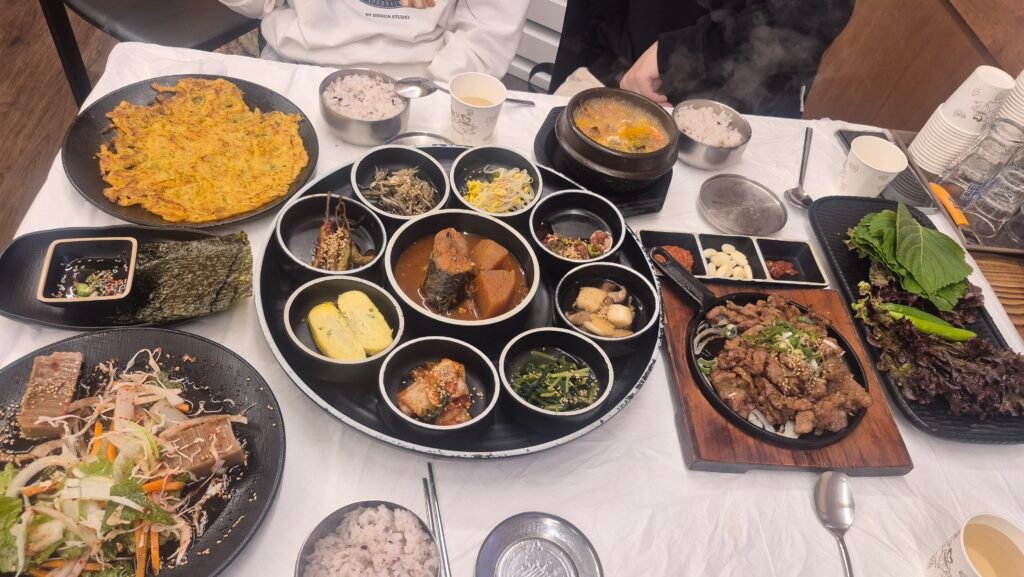
Food Costs in South Korea: How Much Will You Actually Spend?
Food is one of the easier parts of a Korea trip to adjust to your budget. You can grab a quick breakfast from a convenience store, have a filling bowl of noodles for lunch, and still save enough for Korean barbecue later in the week.
But Seoul isn’t quite as cheap as some older travel guides make it sound. Restaurant prices have gone up, and a day of eating out can add up quickly once you include coffee, desserts, and the occasional drink.
The good news is that you don’t have to eat cheaply all the time to keep your food budget under control. A few simple local meals can balance out a more expensive dinner.
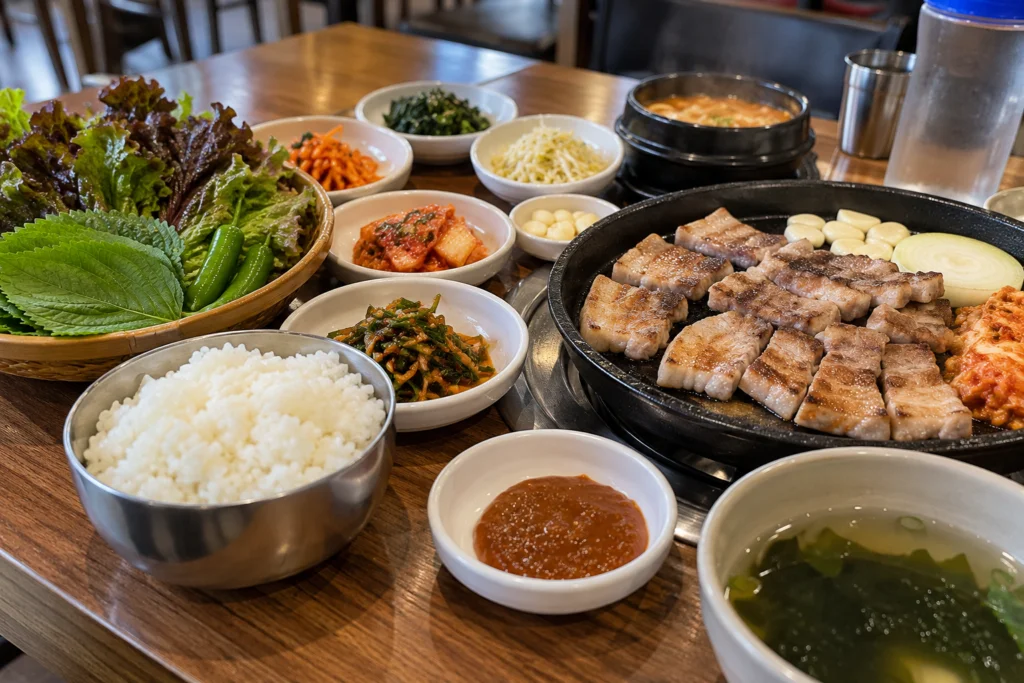
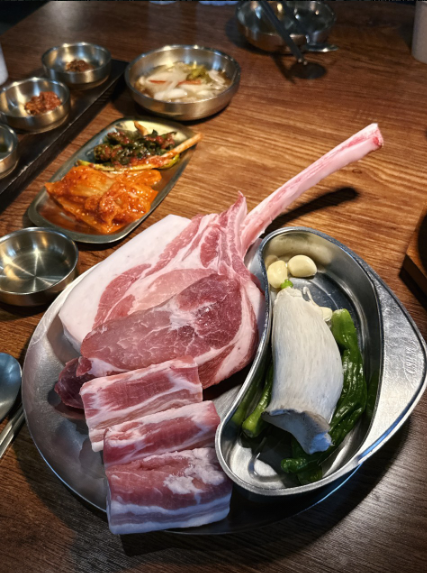
What Does Food Cost in Seoul?
To get a realistic starting point, it helps to look at everyday meals rather than tourist restaurant menus. The prices below are rounded reference figures based on Seoul restaurant price data published by Korea’s consumer price information service, Champrice (참가격). They aren’t fixed menu prices, and individual restaurants may charge more or less.
| Food | Reference price |
|---|---|
| Gimbap (김밥) | ₩3,900 |
| Jajangmyeon (짜장면) | ₩7,700 |
| Kimchi jjigae meal (김치찌개 백반) | ₩8,700 |
| Kalguksu (칼국수) | ₩10,000 |
| Bibimbap (비빔밥) | ₩11,800 |
| Naengmyeon (냉면) | ₩12,700 |
| Samgyetang (삼계탕) | ₩18,200 |
| Samgyeopsal (삼겹살, 200g equivalent) | ₩21,300 |
Prices are rounded from previously reviewed Seoul-area Champrice figures for 2026. Check the latest figures at price.go.kr. The samgyeopsal figure is a 200g-equivalent reference, not necessarily a restaurant’s single-serving price.
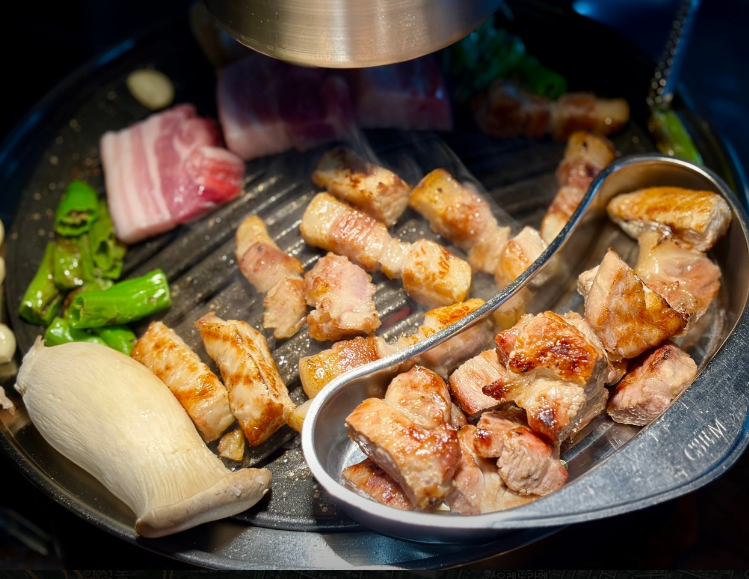
A bowl of kimchi stew with rice can still be a relatively affordable sit-down meal. Korean barbecue is different: the meat, extra servings, drinks, and sometimes a minimum order for two people can make the final bill much higher than the price you first noticed on the menu.
Three Realistic Daily Food Budgets
Let’s put those prices into an ordinary travel day. These are sample spending plans, not a promise that every restaurant will fit the budget.
Budget Day: Around ₩25,000
Start with a convenience-store breakfast for about ₩5,000. Have jajangmyeon for lunch at around ₩8,000, then find a simple rice or noodle dish for dinner at about ₩10,000. That leaves roughly ₩2,000 for a small snack or drink.
It’s doable, but you’ll need to pay attention to prices. A cafe visit or a more expensive dinner can push you over the limit.
Mid-Range Day: Around ₩45,000
You might spend ₩8,000 on breakfast and coffee, ₩12,000 on bibimbap for lunch, and ₩18,000 on dinner. That leaves about ₩7,000 for a snack, dessert, or another drink.
This is the budget I’d use as a starting point for someone who wants to enjoy local restaurants without planning every meal around the cheapest option.
Comfort Day: Around ₩75,000
With ₩75,000, you can be much more spontaneous. Think ₩12,000 for breakfast and coffee, ₩18,000 for lunch, ₩35,000 for a Korean barbecue dinner, and ₩10,000 for dessert or drinks.
You won’t necessarily spend that much every day. But having room for a pricier meal makes it easier to enjoy the food you came to Korea to try.
Don’t Forget the Little Extras
One iced latte, a bakery stop, and a late-night convenience-store snack might not seem like much individually. Over seven days, those little purchases can quietly become a meaningful part of your food budget.
And don’t assume every Korean restaurant serves one person in the same way. Stews, noodle dishes, and rice meals are often easy to order alone, while some barbecue restaurants require a minimum meat order. If you’re traveling solo, check before sitting down.
For the seven-day budget in this guide, we’re allowing ₩175,000 for budget travelers, ₩315,000 for mid-range travelers, and ₩525,000 for a more comfortable food budget. Those figures come from multiplying the daily planning amounts by seven, rather than from a national average of tourist spending.
Getting Around Korea: What Transportation Really Costs
Seoul is a city where you can spend very little on transportation, even when you’re out exploring from morning until late at night. The subway reaches most places visitors want to see, and buses are useful for the gaps in between.
That doesn’t mean every trip costs the same. Traveling a few subway stops is different from crossing the city, and getting from Incheon Airport to your hotel is a separate expense worth planning for.
For a week spent mainly in Seoul, I’d budget for everyday subway and bus rides first, then add airport transfers and any taxis separately. It’s a much clearer way to see where your money is going.

Subway, Bus, and the Climate Card
Seoul’s subway is usually the easiest way to get around without spending much. The standard adult base fare with a transportation card is ₩1,550, although longer journeys can cost more.
Let’s say you take four separate subway rides a day for seven days. At the base fare, that works out to ₩43,400. You might spend less if you walk between nearby attractions or benefit from eligible transfers.
There’s another option worth checking: Seoul’s Climate Card short-term pass.
| Transport option | Example cost |
|---|---|
| Single subway ride (base fare) | ₩1,550 |
| 14 rides at base fare | ₩21,700 |
| 28 rides at base fare | ₩43,400 |
| Climate Card 7-day pass | ₩20,000 |
| 7-day pass + new physical card | ₩23,000 |
Here’s the interesting part. If you’re buying a new physical Climate Card, the seven-day option costs ₩23,000 altogether. That’s roughly the cost of 15 ordinary subway rides at the base fare.
In other words, if you expect to make at least 15 separately charged, eligible rides during your stay, the pass may save you money. If you’re mostly walking around one neighborhood, paying as you go could be cheaper.
Don’t count every bus or train journey automatically. The Climate Card only works on participating routes, and transfers can affect how much you’d otherwise pay. Airport buses and the AREX airport section are not covered in the same way as ordinary Seoul subway trips.
You can check the latest pass details and coverage on the Seoul Metropolitan Government website.
How Much Does It Cost to Get from Incheon Airport to Seoul?
Airport transportation deserves its own line in your budget. If you’re staying near Seoul Station or Hongdae, the AREX all-stop train is often an inexpensive option. The express train costs more but goes directly to Seoul Station without intermediate stops.
| Airport transfer | One way |
|---|---|
| AREX all-stop, T1 to Seoul Station | ₩4,750 |
| AREX all-stop, T2 to Seoul Station | ₩5,350 |
| AREX express train | ₩13,000 |
| Airport limousine bus | Around ₩17,000–18,000 |
| Taxi to central Seoul | Roughly ₩55,000–70,000+ |
Airport train fares are adult one-way reference fares. Bus and taxi costs vary by route, destination, traffic, and surcharges. Additional subway or bus fares may apply between Seoul Station and your accommodation.
For a solo traveler on a budget, the all-stop train is usually the first option I’d check. But if your hotel is close to an airport limousine stop and you’re carrying a heavy suitcase, paying more for the bus might make the arrival much easier.
Before deciding, compare the final journey to your hotel, not just the train ticket price.
What Should You Allow for Transportation Over Seven Days?
In our sample budget, we’ve allowed ₩35,000 for local transportation on a budget trip, ₩45,000 for a mid-range trip, and ₩90,000 for a more flexible trip. Airport transfers are counted separately.
Those aren’t fixed transport packages. They’re spending allowances. If you buy a Climate Card and stay within its coverage area, you may come in below the estimate. If you take taxis regularly or make longer trips outside Seoul, you could spend more.
And if your seven-day itinerary includes Busan, Gyeongju, or another city, remember to add the intercity train or bus fare. The Seoul-only estimates above won’t cover that journey.
South Korea Trip Cost: Attractions and Activities
One of the nicest surprises about visiting Seoul is how much you can see without buying an expensive ticket. You can spend a morning wandering around a historic palace, walk through traditional neighborhoods, and finish the evening beside the Han River without paying for a big-ticket attraction.
Then there are the days when your budget looks completely different. A theme park, a guided trip to the DMZ, or several paid experiences in one day can cost more than a few days of casual sightseeing combined.
That’s why I wouldn’t set the same sightseeing budget for every day of your trip. Spend less on the days when you’re exploring the city on foot, and leave room for one or two experiences you genuinely want to do.

How Much Do Seoul’s Popular Attractions Cost?
Some of Seoul’s most memorable places are also among its cheapest. Gyeongbokgung Palace costs just ₩3,000 for a standard adult ticket, while Deoksugung and Changgyeonggung cost only ₩1,000 each.
That’s a pleasant change from cities where visiting a major historic attraction can take a sizeable bite out of your daily budget.
| Attraction | Adult admission |
|---|---|
| Gyeongbokgung Palace | ₩3,000 |
| Changdeokgung Palace (main grounds) | ₩3,000 |
| Deoksugung Palace | ₩1,000 |
| Changgyeonggung Palace | ₩1,000 |
| Seoul Sky Observatory | ₩33,000 |
| Lotte World Adventure (1-day) | ₩67,000 |
Illustrative standard adult admission figures used in this budget. Prices, special offers, and booking conditions can change; check official attraction websites before purchasing.
If you’re visiting several royal palaces, check the official combination ticket as well. If the ₩6,000 combination ticket is available for your dates, check its current validity, eligible sites, and exclusions (including Changdeokgung’s Secret Garden) before purchasing.
And if you’re planning to rent a hanbok for photos at Gyeongbokgung, qualifying traditional clothing can get you free palace admission. The rental itself still costs money, of course.
Free Things to Do in Seoul
Not every memorable afternoon needs a ticket. You can explore the streets of Insadong, browse shops in Seongsu, walk through Seoul Forest, or spend time beside the Han River without paying an entrance fee.
Bukchon Hanok Village is another place many visitors want to see, but remember that it’s a residential neighborhood, not a theme park. Follow the visitor restrictions, keep noise down, and respect the people who live there.
These are the days that help balance your budget. You might spend very little on sightseeing itself and still have a full day out.

When Paid Experiences Are Worth the Extra Money
A trip to Lotte World can easily become one of your more expensive sightseeing days, especially after food and any extras inside the park. Seoul Sky is another example: the observatory ticket alone costs ₩33,000 for an adult.
Then there are experiences that are harder to arrange independently. A guided DMZ tour, for example, involves transportation, a fixed itinerary, and access rules that you need to understand before booking.
I wouldn’t try to fit every popular attraction into a single week. Choose the experiences that genuinely interest you, then build the rest of your itinerary around neighborhoods, food, and places you can explore at your own pace.
What Can You Do with ₩50,000, ₩160,000, or ₩350,000?
Here’s how the sightseeing allowances from our seven-day budget might work in practice. These are example allocations, not packaged tours or guaranteed booking prices.
Budget Trip: ₩50,000 for the Week
You could visit several royal palaces, spend time exploring Seoul’s neighborhoods, and save most of your sightseeing money for one inexpensive activity or experience. You’d skip the bigger-ticket attractions, but you wouldn’t run out of things to do.
Mid-Range Trip: ₩160,000 for the Week
This is enough room to mix inexpensive sightseeing with a couple of paid attractions. For example, a ₩67,000 Lotte World ticket, a ₩33,000 Seoul Sky ticket, and ₩6,000 for a palace combination ticket would total ₩106,000, leaving ₩54,000 for other activities.
Of course, you might prefer to spend that money on a guided tour instead. The point is to choose what matters to you rather than paying for every attraction on a checklist.
Comfort Trip: ₩350,000 for the Week
With this allowance, you have much more freedom to add guided experiences, theme parks, observation decks, or cultural activities. You still need to compare prices, especially for private tours or premium experiences, but you won’t have to plan the whole week around free admission.
Should You Book Attractions Before Arriving?
For ordinary palace visits, advance booking often isn’t necessary. Popular guided tours and experiences with limited time slots are different. If there’s something you absolutely don’t want to miss, check availability before you travel.
Booking online doesn’t automatically mean you’re getting the lowest price. Compare the official ticket price with the booking platform’s final price, and check whether transportation, admission, or cancellation is included.
For a closer look at tour options, find our DMZ tour comparison guide through the site search.
A Realistic 7-Day South Korea Spending Plan
What does a ₩1,380,000 week in Seoul actually look like? Here’s one example for a solo traveler staying six nights in a ₩115,000-per-night hotel. It’s a planning illustration, not a record of actual purchases.
First, set aside the costs that don’t fit neatly into daily sightseeing spending:
- Hotel, six nights: ₩690,000 (₩115,000 × 6)
- Round-trip airport transfers: ₩25,000
- eSIM/mobile data: ₩25,000
Fixed trip costs: ₩740,000. That leaves ₩640,000 for food, everyday transportation, attractions, and shopping over seven days.
| Day and plan | Food | Local travel | Activities | Shopping/extras | Day total |
|---|---|---|---|---|---|
| Day 1 · Arrive, Myeongdong | ₩45,000 | ₩5,000 | ₩0 | ₩10,000 | ₩60,000 |
| Day 2 · Palaces, Bukchon, Insadong | ₩45,000 | ₩7,000 | ₩6,000 | ₩15,000 | ₩73,000 |
| Day 3 · Seongsu, Seoul Forest | ₩45,000 | ₩7,000 | ₩0 | ₩15,000 | ₩67,000 |
| Day 4 · Lotte World | ₩45,000 | ₩7,000 | ₩67,000 | ₩20,000 | ₩139,000 |
| Day 5 · Seoul Sky, Jamsil | ₩45,000 | ₩7,000 | ₩33,000 | ₩20,000 | ₩105,000 |
| Day 6 · Optional paid experience, Hongdae | ₩45,000 | ₩7,000 | ₩54,000 | ₩30,000 | ₩136,000 |
| Day 7 · Breakfast, depart | ₩45,000 | ₩5,000 | ₩0 | ₩10,000 | ₩60,000 |
| 7-day variable costs | ₩315,000 | ₩45,000 | ₩160,000 | ₩120,000 | ₩640,000 |
The ₩54,000 on Day 6 is an allowance for a paid experience, not a quoted ticket or tour price. Food spending is averaged at ₩45,000 a day; actual arrival and departure days may cost less. Airport travel and hotel nights are already counted in fixed costs above, so they’re not charged again in the daily table.
How the Full ₩1,380,000 Adds Up
₩740,000 in fixed trip costs + ₩640,000 in daily spending = ₩1,380,000 total. Every category matches the mid-range budget shown earlier in this guide, without double-counting airport transfers or hotel nights.
The hotel accounts for exactly half of the total. That’s why changing accommodation can make a bigger difference than cutting a few thousand won from meals. If you add Busan or another city, allow extra for intercity travel and any change in accommodation costs.
The Extra Costs That Can Catch You Off Guard
You’ve worked out your hotel, food, transportation, and sightseeing budget. Everything seems to fit. Then you arrive in Korea, withdraw some cash, buy a few things at Olive Young, and realize your card statement looks a little different from what you expected.
None of these expenses is necessarily huge on its own. It’s the combination that can throw off a carefully planned trip.
Paying in Your Home Currency Instead of Korean Won
When a card terminal offers to charge you in your home currency, it might seem convenient. You know exactly what the number looks like without doing the conversion yourself.
But that convenience can come at a price. Dynamic currency conversion (DCC) may use a less favorable exchange rate or include additional charges. When given the choice, paying in Korean won is generally the better starting point, although your own bank’s foreign transaction fees still apply.
It’s worth checking your card’s international payment fees before you leave home. Two travelers can buy the same ₩50,000 meal and end up paying slightly different amounts after conversion.
ATM Withdrawals and Cash
You probably won’t need to carry your entire week’s budget in cash. Many hotels, restaurants, shops, and cafes in Seoul accept international cards, but it’s still useful to have some Korean won for smaller purchases and situations where your card doesn’t work.
ATM withdrawals can involve a local machine fee, a fee from your bank, or both. Some machines also offer currency conversion. Check the amount displayed before confirming the transaction.
If you plan to withdraw cash several times, those fees can add up. It’s usually better to think about how much cash you’ll realistically need rather than making lots of small withdrawals without checking the charges.
The Olive Young and Shopping Problem
Shopping is one of the easiest parts of a Korea trip to underestimate. You might walk into Olive Young for sunscreen and leave with skincare products, sheet masks, and a few things you hadn’t planned to buy.
The same thing can happen in Hongdae, Myeongdong, or Seongsu. A small purchase here and another one there can quietly use up the ₩120,000 shopping allowance in our mid-range budget.
If shopping is a big reason you’re visiting Korea, give it a separate budget instead of pretending it’ll fit into whatever money you have left.
Late-Night Taxis
Seoul’s public transportation makes it easy to keep costs down during the day. But after a late dinner, a concert, or a night out, you might decide to take a taxi rather than deal with a long journey back to your hotel.
Taxi fares can increase at night because of surcharges, and the final price depends on distance, traffic, and the type of taxi you choose.
One late-night ride probably won’t ruin your budget. Several of them can make your transportation spending look very different from the subway-only estimate.
Extra Baggage and Airport Purchases
There’s one more expense worth thinking about before your return flight: luggage.
If you plan to buy clothes, cosmetics, snacks, or souvenirs, check your airline’s baggage allowance before shopping. Paying for additional checked baggage can be much more frustrating than leaving a little room in your suitcase from the beginning.
And if you arrive at the airport early, remember that a meal, coffee, or last-minute gift can add to your departure-day spending too.
How Much Extra Money Should You Keep Aside?
For a mid-range seven-day trip, I’d keep an additional ₩100,000–150,000 available as a contingency buffer, especially if you’re traveling alone or haven’t visited Korea before.
That doesn’t mean you have to spend it. It’s money you can fall back on if you need an unexpected taxi, pay a bank fee, change your plans, or find something you genuinely want to do.
Our sample mid-range budget is still ₩1,380,000 before international flights. If you want a separate safety margin rather than relying on the shopping and extras allowance already included, plan for approximately ₩1,480,000–1,530,000 in total available funds.
Just remember that the extra ₩100,000–150,000 is a backup, not another expense you’re expected to pay.
How Much Cash Should You Bring to South Korea?
You don’t need to walk around Seoul with a wallet full of banknotes. Hotels, department stores, convenience stores, and most restaurants accept card payments, so it’s entirely possible to spend much of your trip without handling cash.
But I wouldn’t arrive with absolutely none, either.
You might need Korean won to top up a transportation card, buy something from a small market stall, or pay at a shop where your foreign card doesn’t work. It’s much easier to deal with those situations when you already have a little cash available.
For a seven-day trip spent mainly in Seoul, I’d start with around ₩100,000–200,000 in accessible cash, provided you have a working international payment card. That’s a practical starting allowance, not an amount everyone needs to spend.
Where Might You Actually Need Cash?
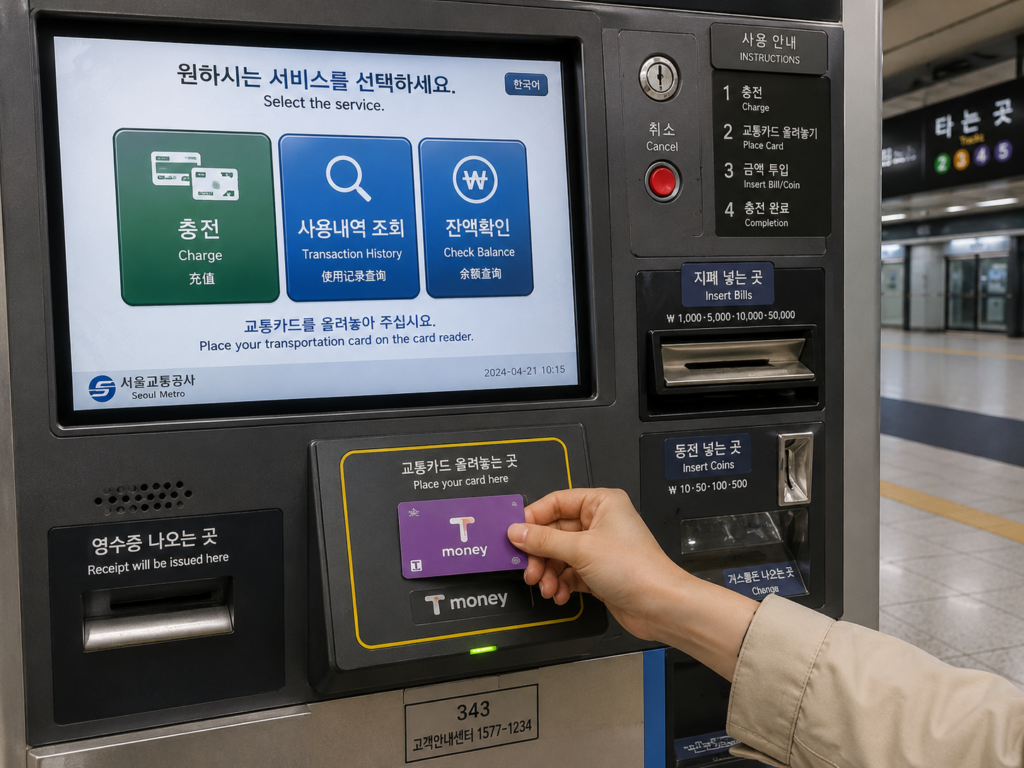
The first place to think about is public transportation. A regular T-money card is useful for getting around Seoul, but you shouldn’t assume you can top it up with an overseas credit card at every subway station or convenience store.
Some newer payment and recharge options are available, but support depends on the card, machine, and service you’re using. If you’re buying a standard T-money card, having Korean won ready for a cash top-up is still a sensible backup.
Traditional markets are another reason to keep a few banknotes. Plenty of vendors accept cards, but smaller stalls may prefer cash, especially for inexpensive snacks or individual purchases.
And although international cards are widely accepted, an occasional declined payment can still happen. It might be a card issuer restriction, a terminal problem, or a merchant that doesn’t support your particular card.
Should You Exchange Money at the Airport?
I’d avoid exchanging your entire travel budget at the airport without comparing rates. If you need cash immediately, exchanging a small amount on arrival can be convenient, but the exchange rate and fees may be different from what you’ll find elsewhere.
You can also look for an ATM that supports international cards. Check the withdrawal fee and any conversion offer before accepting the transaction.
If your hotel and airport transportation are already paid for, you may not need much cash during your first few hours in Korea. Just make sure you have a payment method that works before leaving the airport.
How I’d Split ₩150,000 in Cash
Here’s a simple example for a first-time visitor who plans to pay for most hotels, meals, and shopping by card.
| Possible cash use | Allowance |
|---|---|
| Transportation card top-ups | ₩30,000 |
| Markets and small purchases | ₩40,000 |
| Cash-only situations | ₩30,000 |
| Backup cash | ₩50,000 |
| Total cash to have available | ₩150,000 |
This isn’t an additional ₩150,000 on top of your travel budget. It’s simply one way to hold part of the money you’ve already allocated for transportation, food, shopping, and unexpected expenses.
And you don’t need to exchange all of it before your flight. Depending on your payment cards and withdrawal options, you can obtain Korean won after arriving.
One Last Tip: Don’t Rely on a Single Card
If possible, bring a second payment card from a different account or payment network. Keep it separate from the one you use every day, and check with your bank that overseas transactions are enabled.
That small bit of preparation is more useful than carrying your entire week’s spending money in cash.
How to Spend Less in Korea Without Ruining Your Trip
There’s a difference between traveling on a budget and spending your entire vacation worrying about money. You don’t need to skip every cafe, eat convenience-store meals all week, or stay an hour away from the places you want to visit just to save a little.
If I were trying to bring a ₩1.38 million Korea trip closer to ₩1 million, I’d start with the hotel. Then I’d look at how I move around the city, which attractions I’m paying for, and how much I’m likely to spend on things I didn’t originally plan to buy.
1. Save on Your Hotel Before Cutting Your Food Budget
Our mid-range example assumes a hotel costing ₩115,000 per night. Over six nights, that’s ₩690,000.
Find a decent room for ₩85,000 instead, and the total drops to ₩510,000. You’ve saved ₩180,000 without changing a single meal or attraction.
Of course, the cheaper hotel still needs to make sense. I’d rather pay a little more to stay near a useful subway line than save money on a room that makes every day unnecessarily difficult.
2. Make the Most of Seoul’s Public Transportation
If you’re staying mainly in Seoul, there’s rarely a reason to take taxis everywhere. The subway is extensive, and buses fill in many of the gaps.
Our mid-range budget allows ₩45,000 for local transportation. If a ₩23,000 seven-day Climate Card setup covers the routes you need, you could save ₩22,000.
But check your itinerary first. The pass won’t cover every route, and ordinary transportation card fares may work out cheaper if you don’t travel much each day.
3. Choose One Big Paid Experience, Not Five
You don’t have to visit every observation deck, theme park, and guided attraction just because they’re popular.
Pick the one or two experiences you’re most excited about, then spend the rest of your time exploring neighborhoods, palaces, markets, and riverside areas.
For example, reducing your sightseeing allowance from ₩160,000 to ₩100,000 saves ₩60,000. That’s still enough for a mix of inexpensive sightseeing and a larger paid activity, depending on which tickets you choose.
4. Eat Well, Just Not Expensively at Every Meal
One of the best things about eating in Korea is that a simple local meal can be genuinely satisfying. You don’t have to spend ₩20,000 every time you sit down for lunch.
If you bring your daily food allowance down from ₩45,000 to ₩38,000, you’ll save ₩49,000 over seven days.
That doesn’t mean skipping Korean barbecue or avoiding dessert. It just means balancing a more expensive dinner with a straightforward lunch the next day.
5. Give Shopping Its Own Limit
This might be the hardest one if you’re visiting Korea for skincare, fashion, or K-pop merchandise.
Our original budget allows ₩120,000 for shopping and extras. Reducing that to ₩70,000 saves another ₩50,000.
If shopping is one of the main reasons for your trip, though, I’d leave this category alone and look for savings elsewhere. A budget should fit the kind of vacation you actually want.
How Much Could You Really Save?
Here’s what happens when we apply those changes to the original mid-range budget.
| Expense | Original | Adjusted |
|---|---|---|
| Hotel (6 nights) | ₩690,000 | ₩510,000 |
| Food (7 days) | ₩315,000 | ₩266,000 |
| Local transportation | ₩45,000 | ₩23,000 |
| Airport transfers | ₩25,000 | ₩25,000 |
| Attractions | ₩160,000 | ₩100,000 |
| Mobile data | ₩25,000 | ₩25,000 |
| Shopping and extras | ₩120,000 | ₩70,000 |
| Total | ₩1,380,000 | ₩1,019,000 |
That’s a potential saving of ₩361,000 over seven days, or roughly 26% of the original budget.
These are illustrative changes, not guaranteed discounts. You may not find an ₩85,000 room in your preferred neighborhood on your travel dates, and a Climate Card only saves money when your actual routes and riding habits make it worthwhile.
Still, the exercise shows something useful: you can make a meaningful difference to your Korea travel budget without turning every day into a search for the cheapest possible option.
Frequently Asked Questions About Korea Travel Costs
Is ₩1,000,000 enough for 7 days in South Korea?
Yes, it can be, especially if you’re staying mainly in Seoul, choosing affordable accommodation, and using public transportation. In our adjusted mid-range example, the estimated cost comes to ₩1,019,000 for six nights and seven days, excluding international flights. Getting below ₩1 million would require a little more saving, but it’s possible with careful choices.
How much does a week in South Korea cost in US dollars?
Using an illustrative exchange rate of ₩1,400 per US dollar, our three seven-day budgets work out to approximately $443 for a budget trip, $986 for a mid-range trip, and $1,968 for a more comfortable trip.
These dollar amounts are examples, not live exchange-rate quotes. Check the current rate before exchanging money or making a payment, since your card provider may use a different conversion rate.
Does the 7-day Korea travel budget include flights?
No. All the budgets in this guide exclude international airfare. Flight prices vary too much depending on where you’re flying from, your travel dates, and how far ahead you book.
The estimates cover six nights of accommodation, seven days of food, local transportation, airport transfers within Korea, attractions, mobile data, and an allowance for shopping and extras.
Is South Korea expensive for tourists?
It depends on how you travel. Public transportation and many historic attractions in Seoul are relatively affordable. Accommodation, shopping, taxis, and premium experiences can make the trip much more expensive.
For most visitors, the hotel is the first place I’d look when trying to control the overall cost.
Is it cheaper to travel to Korea alone or with someone?
Traveling with another person can reduce your accommodation cost if you share a room. In our mid-range example, a ₩690,000 hotel bill for six nights becomes ₩345,000 per person when two travelers split it equally.
That doesn’t mean every expense is halved. Food, admission tickets, and most transportation costs are still paid per person.
How much extra should I budget if I visit Busan too?
You’ll need to account for travel between Seoul and Busan, plus any difference in hotel prices or local transportation. KTX tickets can add a noticeable amount, particularly if you’re making a round trip.
There isn’t one reliable extra cost that works for everyone. Check train fares for your dates and compare whether you’re returning to Seoul or flying home from Busan. If you keep the trip to seven days, remember that travel between cities also takes time away from sightseeing.
How much cash should I carry in Korea?
If you have an international card that works in Korea, around ₩100,000–200,000 in accessible cash is a reasonable starting point for a seven-day Seoul trip. You may need some for transportation card top-ups, markets, or situations where card payment isn’t available.
That cash is part of your existing spending budget, not an additional amount you need to spend.
So, How Much Money Should You Really Bring?
If you’re planning your first week in South Korea, don’t get too caught up in finding one perfect number. A traveler who spends most of the day exploring neighborhoods will have a very different bill from someone booking premium hotels, guided tours, and shopping trips.
For a six-night, seven-day Seoul-focused trip, ₩1.38 million is a reasonable mid-range planning estimate for one person, excluding international flights. You can spend considerably less, and you can certainly spend more.
I’d focus on booking a hotel in a location that makes your days easier, setting aside money for the experiences you actually care about, and keeping a little room for the unexpected.
After all, the best travel budget isn’t necessarily the cheapest one. It’s the one that lets you enjoy your trip without constantly wondering how much money you have left.
Planning the Rest of Your Korea Trip?
If you’re still working out where to stay or how to organize your days, these guides can help:
- Find Where to Stay in Seoul (site search) — compare neighborhoods before choosing a hotel.
- Find Seoul 3-Day Itinerary (site search) — plan your sightseeing without wasting time crossing the city.
- Find Incheon Airport to Myeongdong (site search) — compare airport transportation options.
- Find Korea eSIM Guide (site search) — work out what mobile data you’ll need.