
DMZ Tour from Seoul: Compare Tours, Prices & Find the Best Option for You (2026)
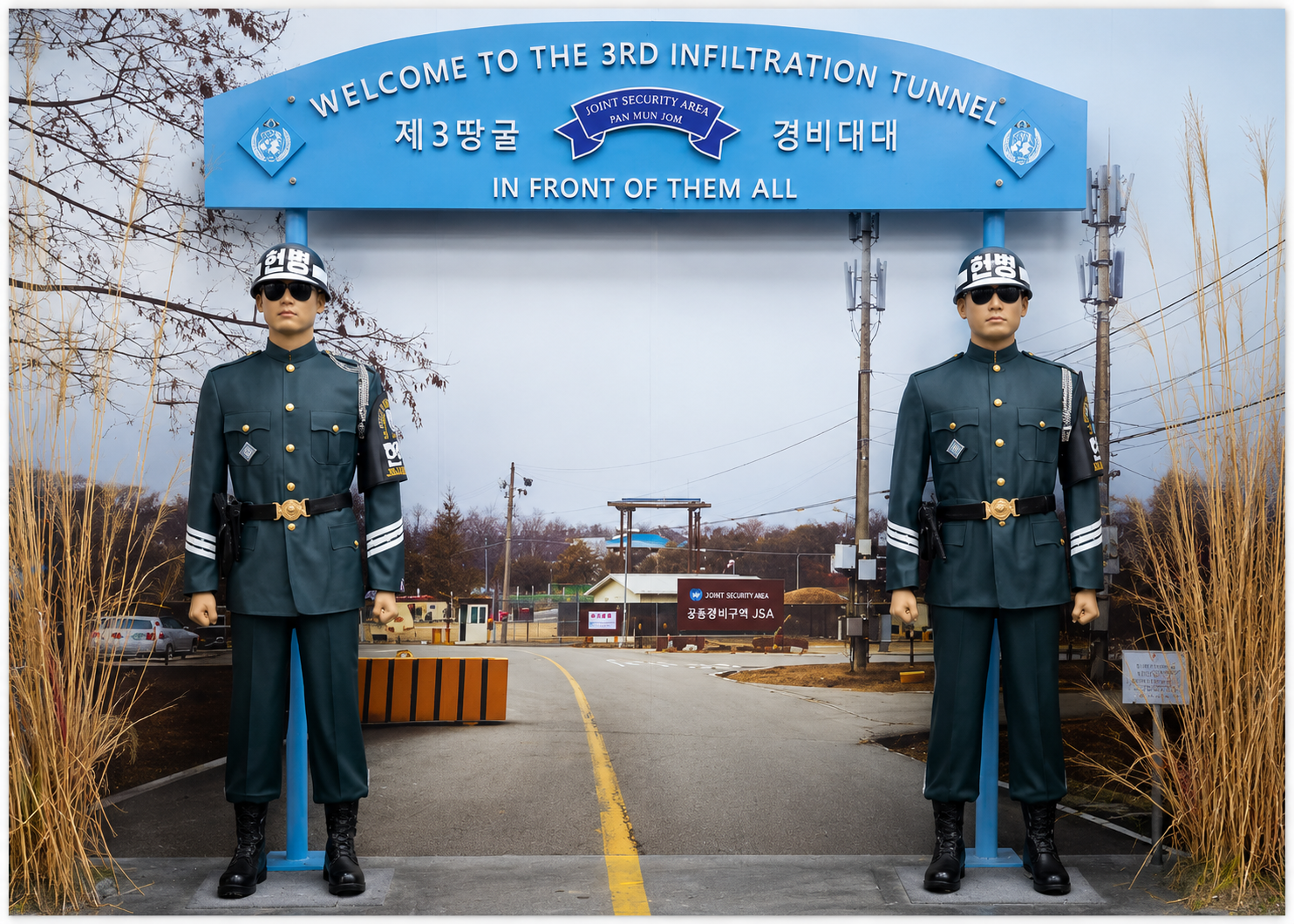
If you search for a DMZ tour from Seoul, you’ll quickly notice there are a lot of choices. Some are cheap group tours, some pick you up at your hotel, and some are private tours for families or small groups. The places you visit can be different too.
It can be a little confusing, especially if this is your first trip to Korea.
So I’ve tried to keep things simple here. I’ll show you the main options, what they cost, what’s included, and who each tour makes sense for. You can compare them and choose the one that fits your trip, your group and your budget.
And if you’re thinking, “Wait… what exactly is the DMZ?” — that’s fine too. I’ll explain that in simple terms below.
Choose the DMZ Tour That Fits Your Trip
DMZ tours can look very similar at first, but the experience can be quite different depending on your schedule, who you’re traveling with and how comfortable you want the day to be.
Best Overall DMZ Tour
If this is your first DMZ trip and you just want to see the main sights without spending too much, I’d start with this one.
Check Current Price →Small-Group DMZ Tour
This makes more sense if you’re traveling with family or friends and want hotel pickup without paying for a fully private tour.
Check Current Price →Private DMZ Tour + Lunch
If you’re going with your parents or want an easier family day, the hotel pickup, private guide and included lunch make this much more convenient.
Check Private Tour →Half-Day DMZ Tour
Pick this one if you want to see the DMZ but still want part of the day left for something else in Seoul.
Check Half-Day Tour →DMZ + Defector Q&A
If you’re more interested in the story behind the DMZ than just taking photos, this option goes a little deeper.
See Tour Options →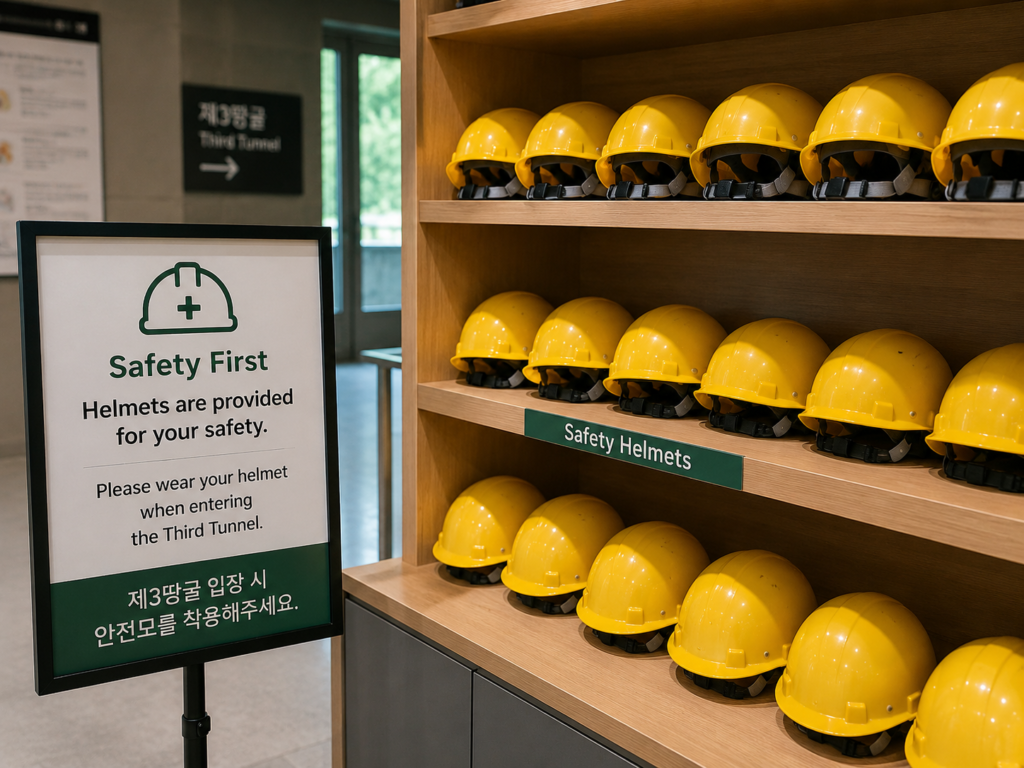
What Is the Korean DMZ?
When I first looked at DMZ tours, I thought the name itself could be a little confusing if you don’t know much about Korea.
The DMZ is the area that separates South Korea and North Korea. It has been there since the Korean War fighting stopped in 1953.
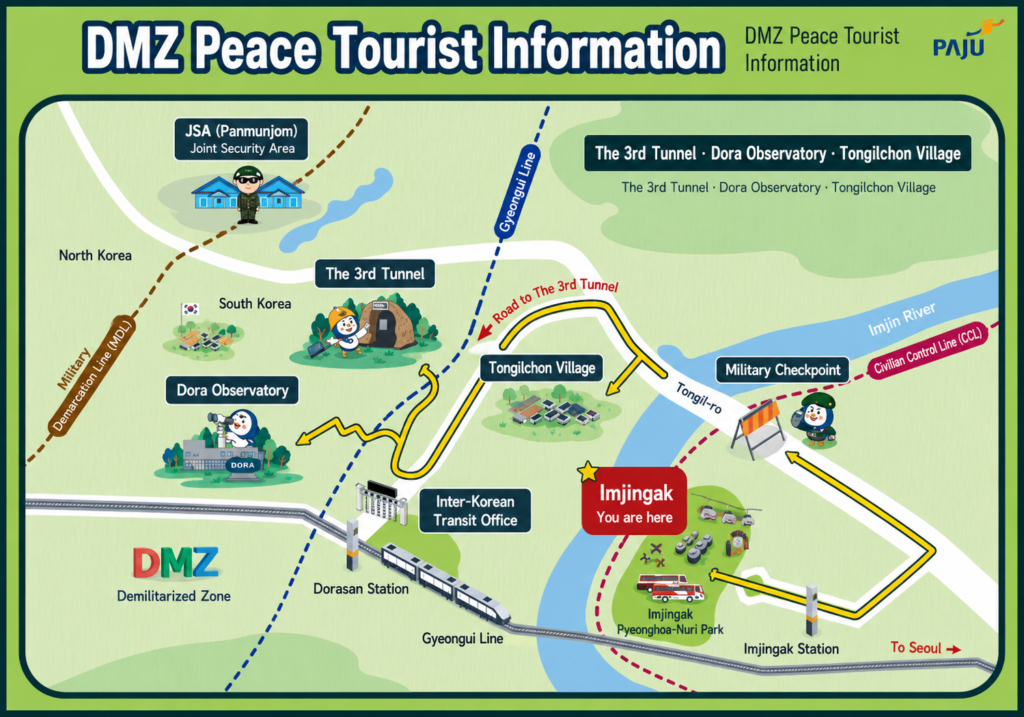
If you book a DMZ tour from Seoul, you’re not actually entering North Korea. You’ll usually visit places on the South Korean side, such as the Third Tunnel, Dora Observatory and Imjingak.
Dora Observatory is probably the place many people are most curious about. On a clear day, you can look across toward North Korea. How much you can actually see depends on the weather and visibility that day.
There’s one more thing I think is worth knowing before choosing a tour.
DMZ and JSA (Panmunjom) are not the same thing.
If You Want to Understand a Little More
If you’re curious about the history behind the DMZ, there are two Korean movies I’d recommend.
Taegukgi: The Brotherhood of War is about the Korean War and shows how the war affected ordinary families.
Joint Security Area (JSA) is very different. It focuses on soldiers from North and South Korea around the JSA, so it’s especially interesting if you’re curious about Panmunjom and the reality of the divided border.
You definitely don’t need to watch them before your tour. But if you’re interested in the story behind the places you’re visiting, they’re worth keeping in mind.
What Will You Actually See on a DMZ Tour?
This was one of the first things I wanted to know when looking at DMZ tours: what do you actually see once you get there?
The exact stops depend on the tour you book, but these are the places you’ll see most often.

1. The Third Tunnel + DMZ Theater
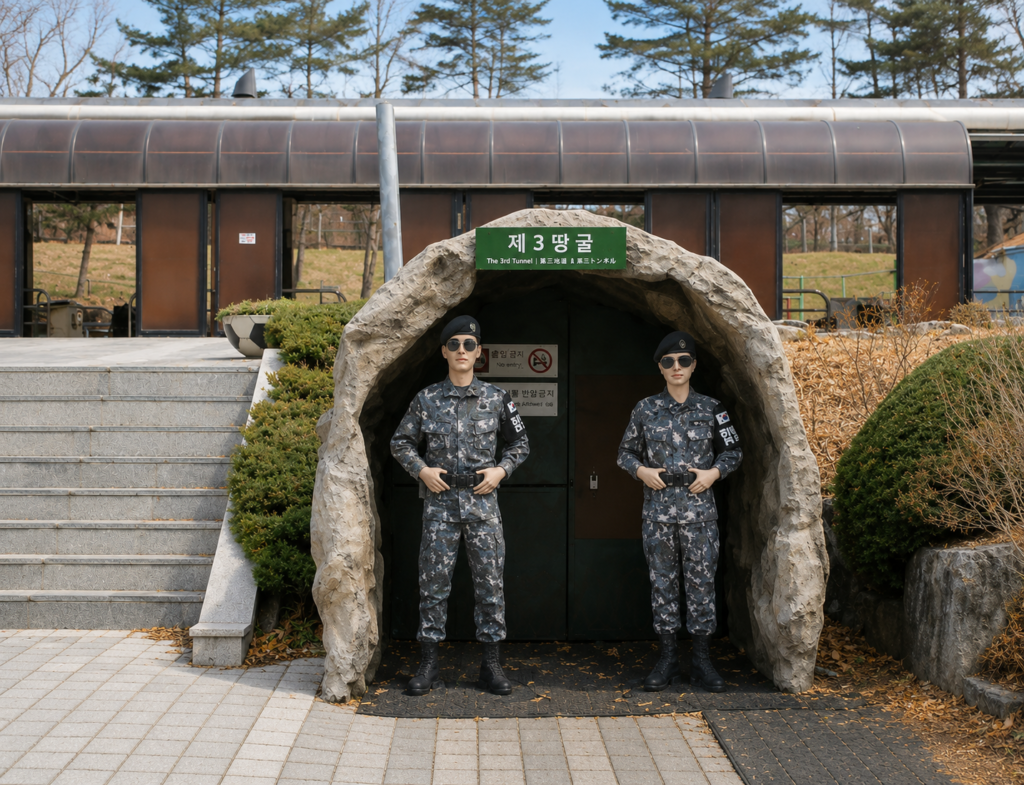
The Third Tunnel is one of the main stops on most DMZ tours from Seoul. It was discovered in 1978, and today you can walk down into part of the tunnel yourself.
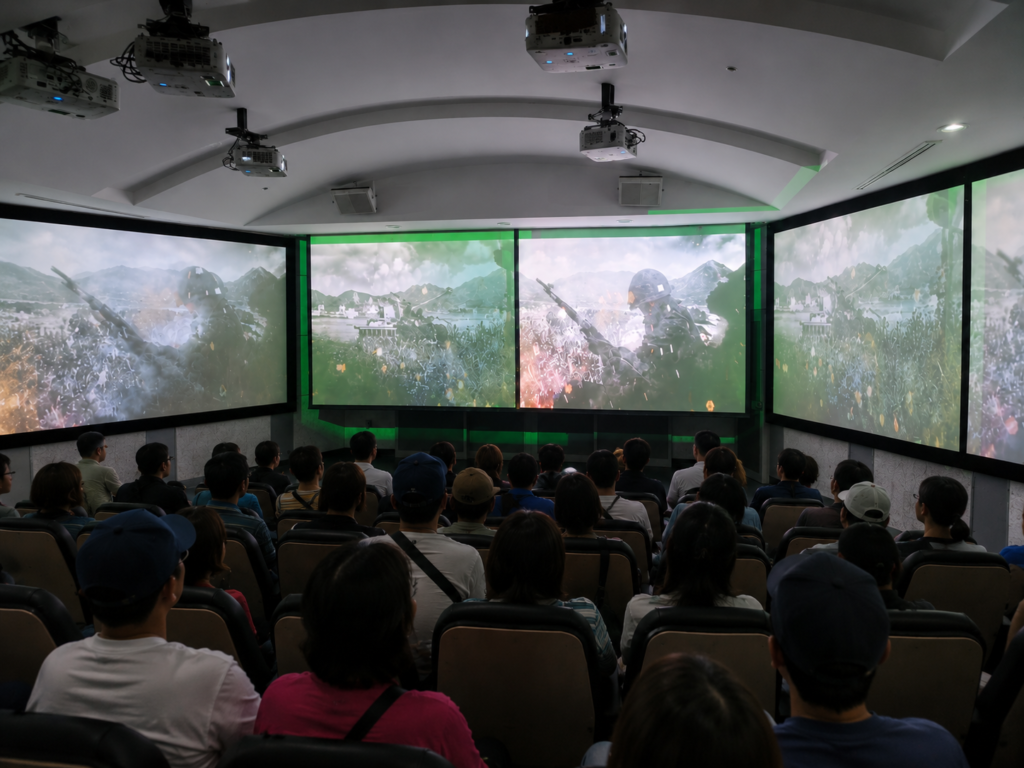
Before or after going underground, you may also stop at the DMZ Theater and Exhibition Hall. It’s a short visit, but it helps explain why the tunnel is here and gives you a little more background before you see it for yourself.
One thing I would check before booking is how you enter the tunnel. Many tours use the walking route, and while going down doesn’t feel too bad, coming back up can be much harder than you expect.
2. Dora Observatory
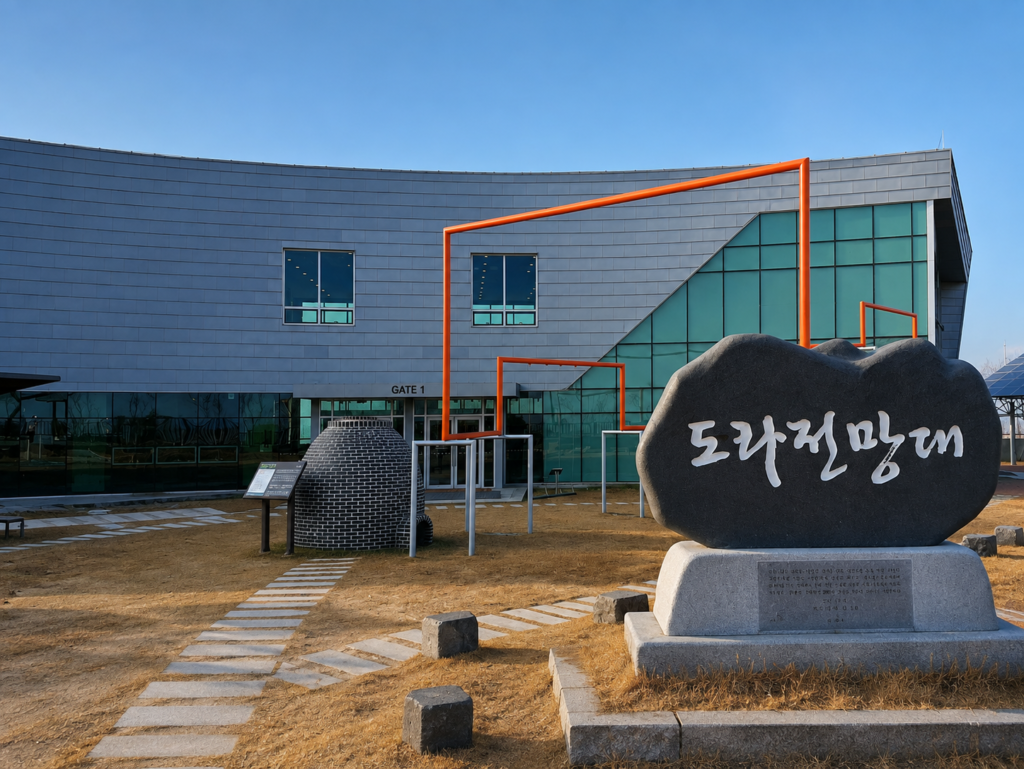
Dora Observatory is probably the place where the division of Korea feels the most real. From here, you’re looking across the border toward North Korea.
On a clear day, you may be able to see parts of North Korea through the observatory’s telescopes. But don’t expect the same view every time — weather, fog and visibility can make a big difference.
3. Imjingak + Freedom Bridge
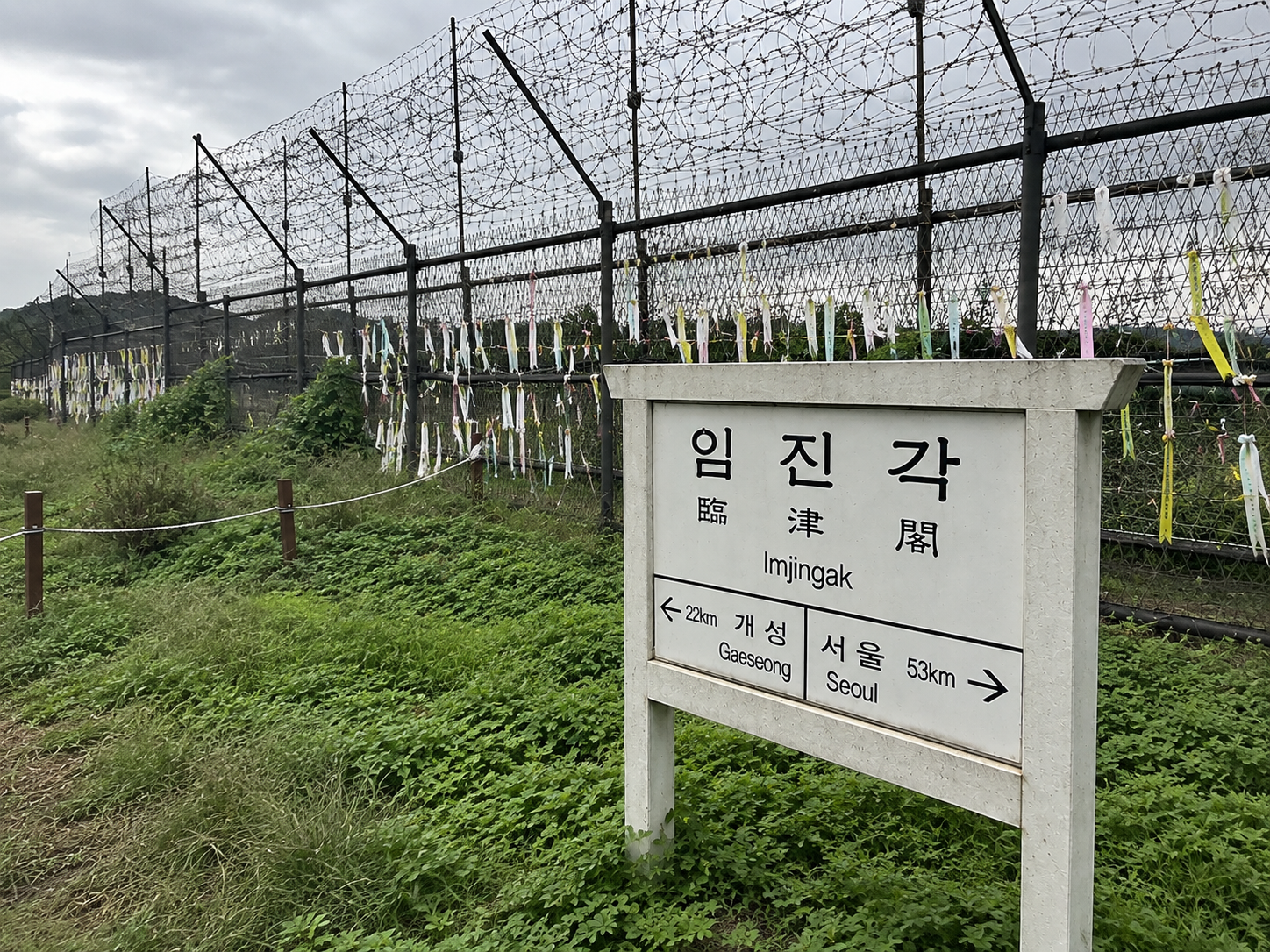
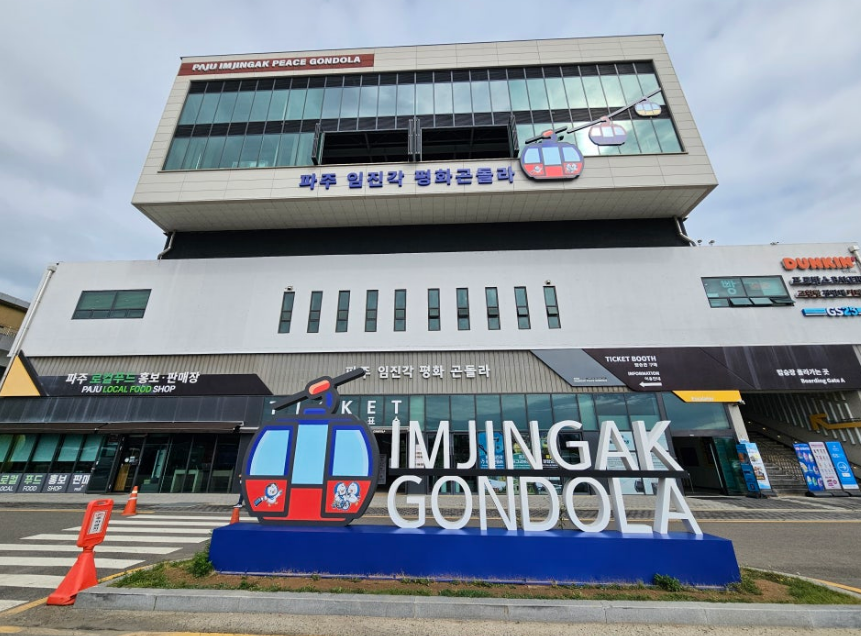
Imjingak is usually one of the first major stops on a DMZ tour. Unlike the Third Tunnel, this area is open and easy to walk around, with memorials, old railway remains and places connected to families separated by the Korean War.
One of the main places to see here is the Freedom Bridge. It became known as the route used by prisoners of war returning to South Korea after the Korean War fighting stopped.
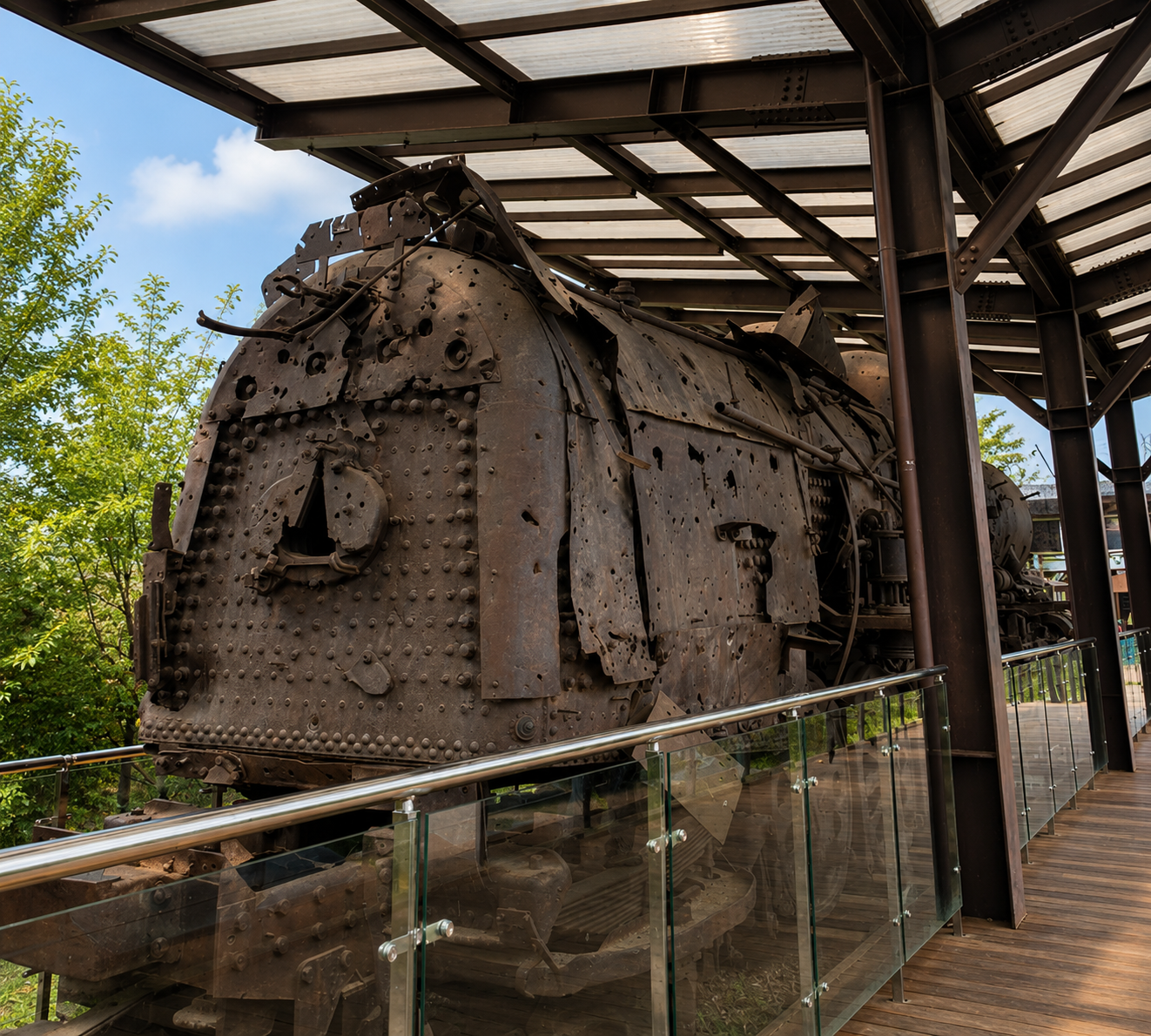
You’ll also see reminders of the war around the area, including old railway remains and the damaged steam locomotive displayed near the former Jangdan Station area.
4. Tongilchon (Unification Village)
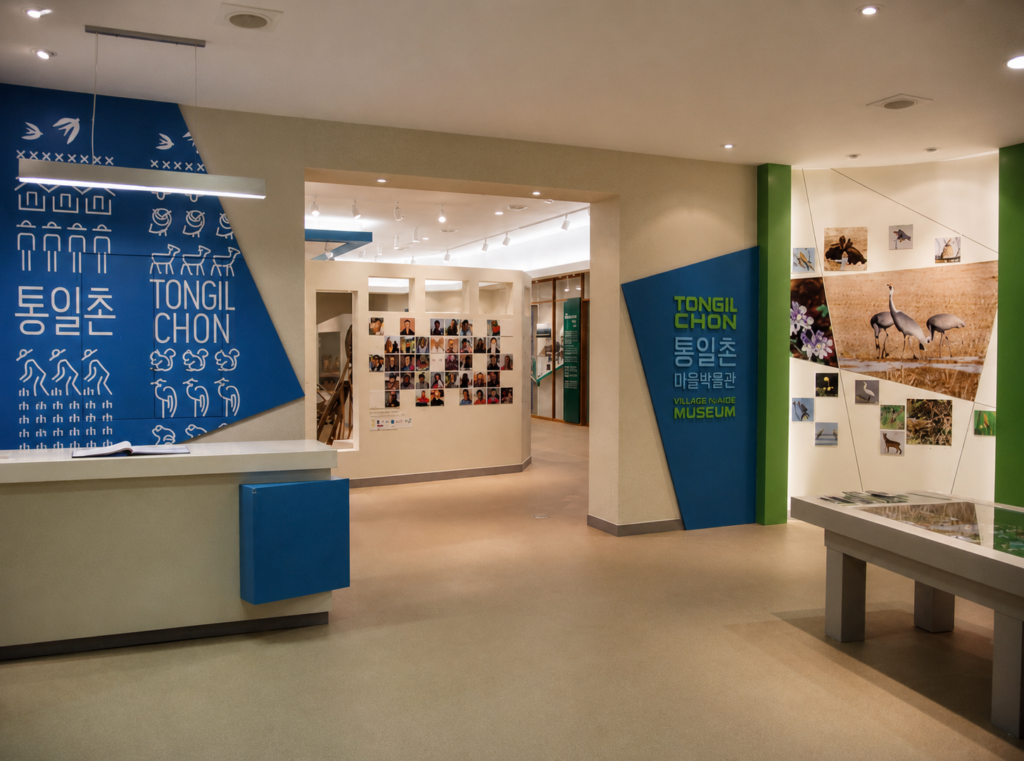
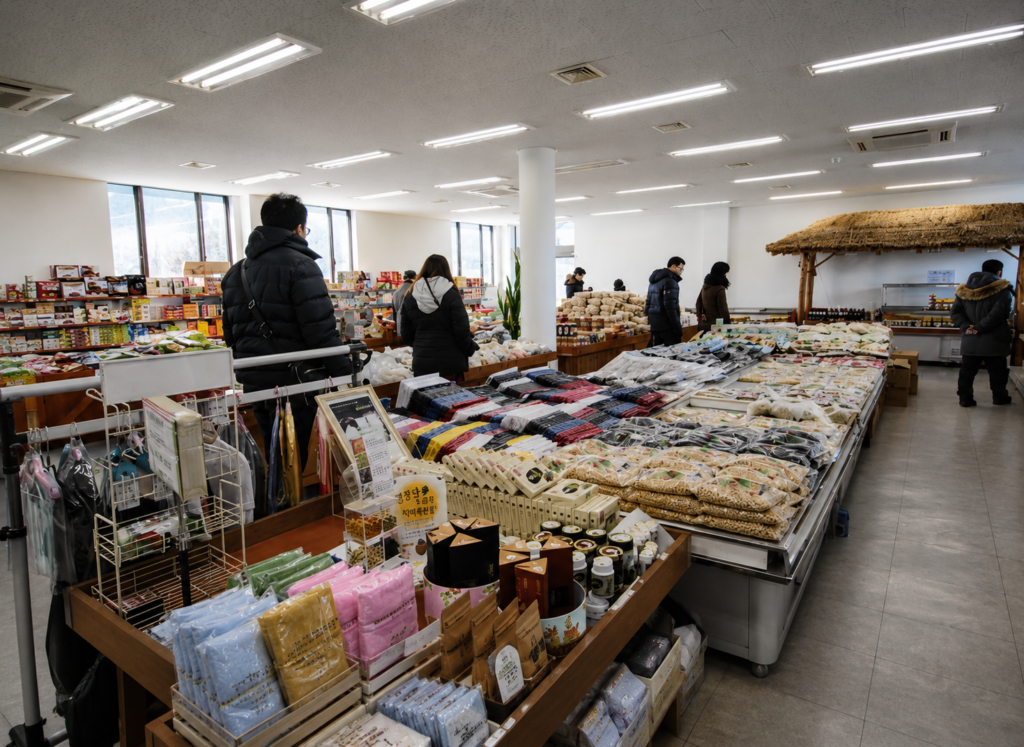
Tongilchon, or Unification Village, is close to the DMZ and sits inside the Civilian Control Zone. What makes it interesting is that this isn’t just a place made for tourists — people actually live and farm here.
Depending on the tour, you may pass through the village or stop for a short visit. The area is also known for local products such as Jangdan soybeans, rice and ginseng.
Some tours may also stop at a small museum or exhibition space in the Tongilchon area. It’s not a major attraction, but it gives you a better idea of what life is like in this border village and how the area has changed over time.
5. Optional Stops on DMZ Tours
After the main DMZ stops, this is where the tours start to become quite different. Some add a scenic stop, while others focus more on history or comfort.
Suspension Bridge
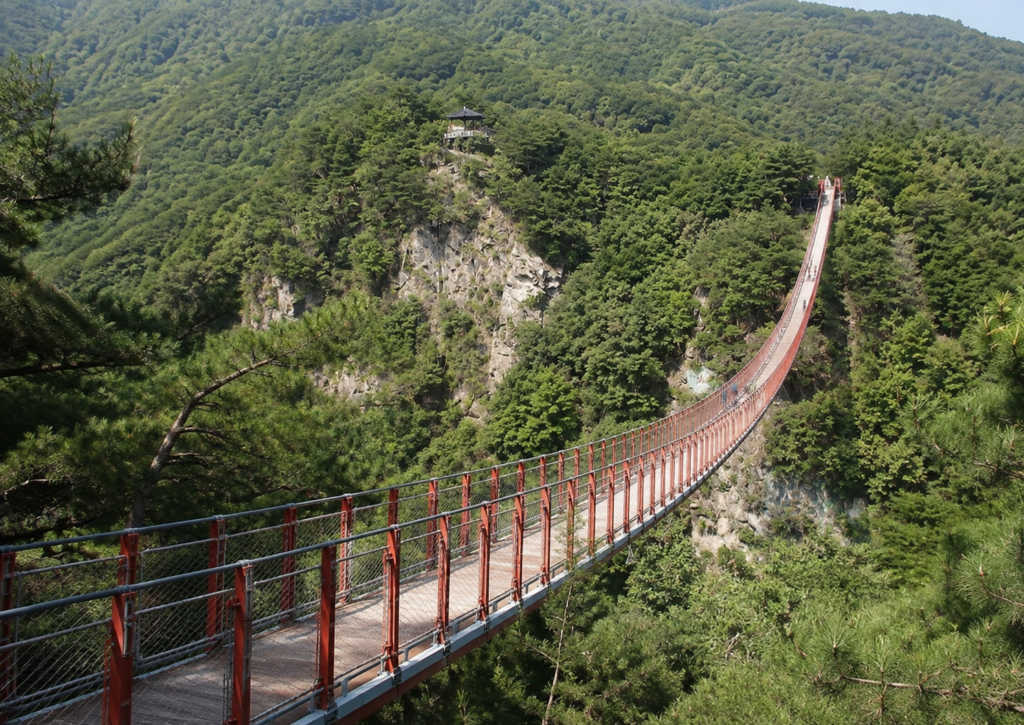
Some tours include a suspension bridge such as Gamaksan Red Suspension Bridge or Majang Lake Suspension Bridge. It’s a nice extra stop if you enjoy scenery and walking, but I wouldn’t choose a DMZ tour just because a bridge is included.
Imjingak Peace Gondola
You may also see tours that include time for the gondola at Imjingak. It crosses the Imjin River and gives you a different view of the border area. Just remember that the gondola is not included in every DMZ tour.
North Korean Defector Q&A
A few tours include a Q&A session with a North Korean defector. If you’re more interested in everyday life in North Korea and the story behind the division, this can be much more interesting than adding another sightseeing stop.
JSA Museum
Some tour options also include a visit to the JSA Museum. Just don’t confuse this with actually entering the JSA or Panmunjom — a JSA Museum visit is not the same as a JSA tour.
Which DMZ Tour Should You Choose?
After comparing the different tours, I don’t think there’s one option that’s best for everyone. The main things I’d look at are how much time you have, who you’re traveling with and how comfortable you want the day to be.
So instead of just comparing prices, here’s how I’d choose between them.
1. Regular Group Tour — Best for Most First-Time Visitors
If you’re visiting the DMZ for the first time and mainly want to see the important places without spending too much, a regular group tour is probably enough.
The tour we compared above covers the main DMZ sights, including the Third Tunnel, Dora Observatory and Imjingak, with additional options depending on the package you choose.
I’d skip it if: You’re traveling with older parents, young children or anyone who would be more comfortable with a smaller group and hotel pickup.
2. Small-Group DMZ Tour — Better for Families & Friends
If you’re traveling with family or a few friends, I’d look at a small-group tour before paying for a fully private one. You still visit the main DMZ sights, but the smaller group and hotel pickup can make the day a lot easier.
This tour has a maximum of 17 travelers and includes pickup from hotels in Seoul. It also visits the Third Tunnel, Dora Observatory and Tongilchon, with a suspension bridge included in the itinerary.
I’d skip it if: You’re mainly looking for the cheapest DMZ tour, or you want a private guide and a schedule built around your own group.
3. Private DMZ Tour + Lunch — Better for Parents & Comfort
I wouldn’t pay extra for a private tour if I were traveling alone or as a couple. But if you’re visiting with your parents or family, this is where the extra cost can start to make sense.
You get a private vehicle, pickup and drop-off at your Seoul hotel, an English-speaking driving guide and lunch at a local Korean restaurant. You’ll still visit the main DMZ sights, but you won’t be spending the whole day moving around with a large tour group.
I’d skip it if: You’re traveling alone or as a couple and don’t mind joining a group. You’ll probably see the main DMZ sights for much less with one of the group tours above.
4. Half-Day DMZ Tour — Better if Your Seoul Schedule Is Short
If you only have a few days in Seoul, I can understand not wanting to spend almost the whole day on a DMZ tour. In that case, I’d look at a half-day option like this one.
It takes around six hours and still covers the main DMZ experience, including the Third Tunnel. Depending on the option you choose, you can also add a suspension bridge.
I’d skip it if: The DMZ is one of the main reasons for your trip and you want more time at the border area rather than trying to fit it into a shorter schedule.
5. DMZ + Defector Q&A — Better if You Want More Than Sightseeing
If you’re mainly interested in taking photos and seeing the famous DMZ stops, you probably don’t need this option. But if you’re curious about North Korea itself, I’d take a closer look at this one.
Along with the DMZ tour, this option includes a Q&A session with a North Korean defector. You can hear about life in North Korea and ask questions directly, which gives the day a very different feel from a standard sightseeing tour.
I’d skip it if: You mainly want to see the Third Tunnel and Dora Observatory, take some photos and return to Seoul. A regular group tour will probably be enough.
Before You Book a DMZ Tour
Do You Need a Passport?
This is one thing I wouldn’t leave to chance. If you’re going on a DMZ tour, bring your passport with you even if your tour page doesn’t make a big deal about it.
Parts of the DMZ are inside a controlled military area, and your identity may be checked before you enter. Some tours also ask for your passport information when you book.
Can You Actually See North Korea?
Yes, but this is one part of the tour where the weather really matters. From Dora Observatory, you can look across the DMZ toward North Korea, and on a clear day you may be able to see buildings and parts of the landscape in the distance.
I wouldn’t book a DMZ tour expecting a perfect view, though. Fog, rain or haze can make a huge difference, and some days you simply won’t see very far.
How Difficult Is the Third Tunnel?
The Third Tunnel isn’t a long hike, but I wouldn’t call it an easy walk either. The part most people notice isn’t going down — it’s the steep walk back up.
Inside the tunnel, some sections are narrow and the ceiling gets low enough that you may need to bend slightly as you walk. If you’re reasonably fit, it should be manageable, but older travelers or anyone with knee, back or mobility problems may find it tiring.
Can You Take Photos on a DMZ Tour?
Yes, you can take photos at many of the places you visit on a DMZ tour. But this is still a military-controlled area, so there are places where photography may be restricted.
The easiest rule is simple: if your guide tells you not to take photos in a certain area, put the camera away. Don’t assume that because other people are taking pictures, it’s allowed everywhere.
Should You Bring Food or Water?
I’d bring a bottle of water and a small snack, especially if you’re taking one of the longer DMZ tours. Many group tours don’t include lunch, and even when there’s time to buy something, the schedule can be fairly tight.
You don’t need to pack a full meal. Something small in your bag is usually enough to get you through until the next stop or until you’re back in Seoul.
Useful Korean for Your DMZ Tour
You won’t need much Korean on a guided DMZ tour, but these few phrases can still be useful during the day.
Hwajangsil eodiyeyo?
Where is the restroom?
Myeot sie chulbalhaeyo?
What time do we leave?
Yeogiseo sajin jjigeodo dwaeyo?
Can I take photos here?
Eolmana geollyeoyo?
How long does it take?
Still planning the rest of your trip? See my Korea travel preparation guide for the things worth sorting out before you fly.
So, Which DMZ Tour Would I Choose?
If it were my first DMZ trip, I’d keep it simple and choose a regular group tour that covers the main sights. I don’t think you need to pay more just because a tour has more stops.
I’d only move up to a small-group or private tour if I were traveling with family, wanted hotel pickup or simply wanted a more comfortable day. In the end, pick the tour that fits the way you’re actually traveling — not the one with the longest itinerary.
Compare the DMZ Tours Again ↑If you have some time before your trip to Korea, I really recommend watching Taegukgi: The Brotherhood of War and Joint Security Area (JSA). They’re both older movies now, but I think you’ll understand the DMZ and the division of Korea a little differently after watching them. If you’re planning a DMZ tour, they’re worth your time. I don’t think you’ll regret it.