
Best Restaurants in Seoul for First-Time Visitors: Eat Well Without Wasting Time (2026)
- Quick Answer: Where Should You Eat in Seoul?
- How I Chose These Restaurants
- Myeongdong & Gyeongbokgung
- Jongno, Euljiro & Dongdaemun
- Hongdae, Yeonnam & Mangwon
- Gangnam
- Famous Seoul Restaurants: When Is the Wait Worth It?
- Tired? Order Korean Food to Your Hotel Instead
- Where to Eat on a 3-Day Seoul Trip
- Simple Restaurant Tips That Save Time
- FAQ
Quick Answer: Where Should You Eat in Seoul?
Looking for the best restaurants in Seoul for your first trip? You do not need to cross the city for every famous restaurant. I recommend choosing restaurants that already fit the area you are visiting that day.
Here is the quick version before we get into the details.
| If you’re here | Try | What to eat | My take |
|---|---|---|---|
| Myeongdong | Myeongdong Kyoja | Kalguksu & mandu | Easy choice if you’re already nearby |
| Gyeongbokgung / Seochon | Tosokchon | Samgyetang | Worth a reasonable wait after the palace |
| Myeongdong early morning | Hadongkwan | Gomtang | Good way to eat before sightseeing starts |
| Dongdaemun | Wonhalmae Wonjo Dakhanmari | Dakhanmari | Best saved for an evening in the area |
| Hongdae / Hapjeong | Cheongdonok | Pork BBQ | No need to cross Seoul for BBQ |
| Mangwon / Hongdae | Mangwon Market | Market snacks | Fits naturally into a western Seoul day |
| Gangnam | BBQ YUL | Korean BBQ | Practical dinner if you’re already in Gangnam |
| Jongno / Dongdaemun | Gwangjang Market | Bindaetteok & street food | Go for the market experience, not just one famous stall |
| Euljiro | Woo Lae Oak | Pyongyang naengmyeon | Go if this specific dish is on your food list |
If a restaurant requires a long detour and a long wait, I would usually skip it on a short Seoul trip. Save the long queue for a restaurant or dish you genuinely came to Korea to experience.
How I Chose These Restaurants
I did not choose these restaurants just because they are famous. On a first trip to Seoul, where a restaurant is located and how much time it takes can matter almost as much as the food itself.
A restaurant may be excellent, but if you need to travel 40 minutes across Seoul and then wait another hour, it may not be the best choice when you only have three or four days in the city.
For each place in this guide, I looked at a few practical questions:
- Is it already close to a place most first-time visitors are likely to visit?
- How much extra travel does it add to your day?
- Is the restaurant worth waiting for if there is a queue?
- Does the price make sense for the experience?
- Is it relatively easy for an international visitor to order?
- Is there a good alternative nearby if the restaurant is too busy?
Don’t change your entire Seoul itinerary for every famous restaurant. Most of the time, it is better to find a good meal that fits naturally into the neighborhood you are already exploring.
Myeongdong & Gyeongbokgung
For most first-time visitors, this is one of the easiest areas to plan food around. Gyeongbokgung, Bukchon, Insadong and Myeongdong can already be connected into the same sightseeing day, so there is usually no reason to make a large detour just for lunch or dinner.
Myeongdong Kyoja — Kalguksu & Mandu
Area: Myeongdong
Detour: Almost none if you’re already in Myeongdong
I’d wait: If the line looks reasonable and is moving
I’d skip: If you have to change your sightseeing route just to eat here
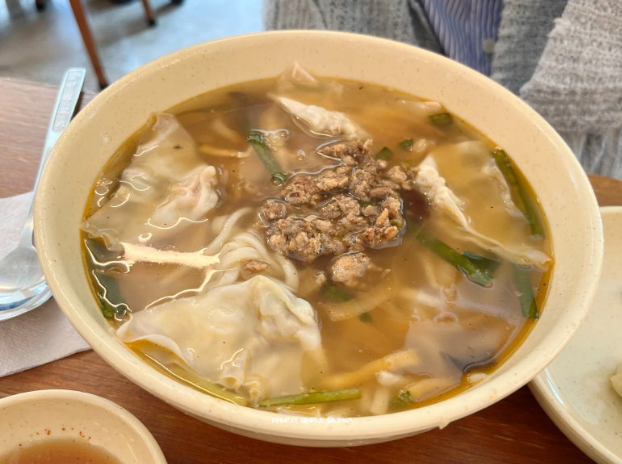
Myeongdong Kyoja works especially well for a first Seoul trip because you can fit it naturally between shopping, Myeongdong Cathedral and an evening around central Seoul.
The food is simple: hot knife-cut noodles, dumplings and a small menu that does not require much decision-making. That also makes it an easy meal when you are tired after a long day of sightseeing.
If you are already in Myeongdong, I would be comfortable waiting a little. But I would not travel across Seoul and then stand in a long queue just to say I ate here.
If the queue looks unusually long, keep walking. Myeongdong has plenty of places to eat, and losing a large part of your evening for one bowl of noodles defeats the purpose of this guide.
Tosokchon — Samgyetang After Gyeongbokgung
Area: Gyeongbokgung / Seochon
Detour: Small if you’re already visiting Gyeongbokgung
I’d wait: If you’re already nearby and the line is moving
I’d skip: If you’re traveling across Seoul only to eat here
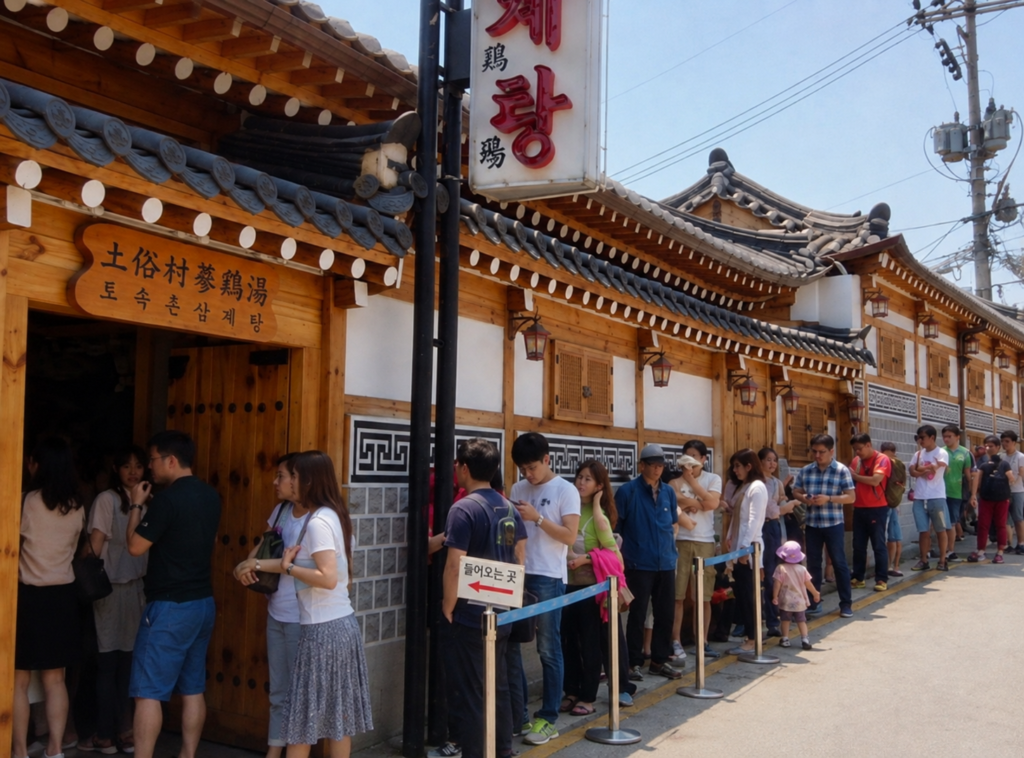
Tosokchon is one of those famous Seoul restaurants where location makes a big difference. If you are already visiting Gyeongbokgung Palace, adding it to your day is relatively easy.
This is also a restaurant where seeing a line does not automatically mean you should leave. It is a large and well-known restaurant, so queues can form around busy meal times.
My rule here is simple: if you have just finished Gyeongbokgung and the line appears to be moving steadily, I would wait for a reasonable amount of time.
But if you are staying in Gangnam or spending the day around Hongdae, I would not travel across Seoul just for one bowl of samgyetang. There are other places to try this dish without giving up a large part of your sightseeing day.
Visit Gyeongbokgung first and decide about lunch afterward. If the queue looks manageable, eat here. If it looks excessive, continue into Seochon or Insadong and choose another Korean restaurant nearby.
Hadongkwan — A Smart Korean Breakfast in Myeongdong
Area: Myeongdong
Best timing: Early morning
I’d go: If you’re awake early and want a Korean breakfast
I’d skip: If there is a long queue during your sightseeing hours
Hadongkwan is a good example of why I do not think every famous restaurant should be treated the same way.
Instead of using valuable sightseeing time to visit it during a busy lunch period, it can make much more sense as an early Korean breakfast in Myeongdong.
If jet lag has you awake early, you can have a bowl of hot gomtang before many of Seoul’s attractions and shops are even open. You get to try a long-established Korean restaurant without sacrificing much of your sightseeing time.
That is exactly the kind of restaurant choice I like on a short trip: the meal fills an empty part of your schedule instead of taking time away from it.
Hadongkwan is better treated as an early-day option than a restaurant you must force into your schedule. If you’re already out sightseeing and the timing does not work, simply eat somewhere else.
Jongno, Euljiro & Dongdaemun
This part of Seoul is packed with traditional food, old restaurants and markets. But you do not need to stop at every famous place. The easiest approach is to match your meal to where you will already be that afternoon or evening.
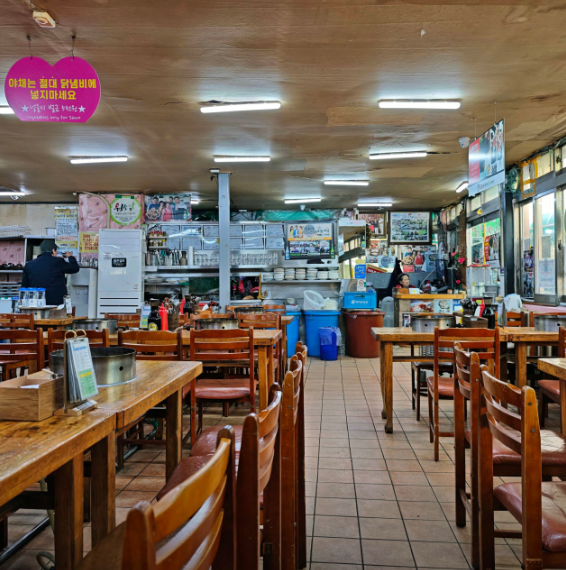
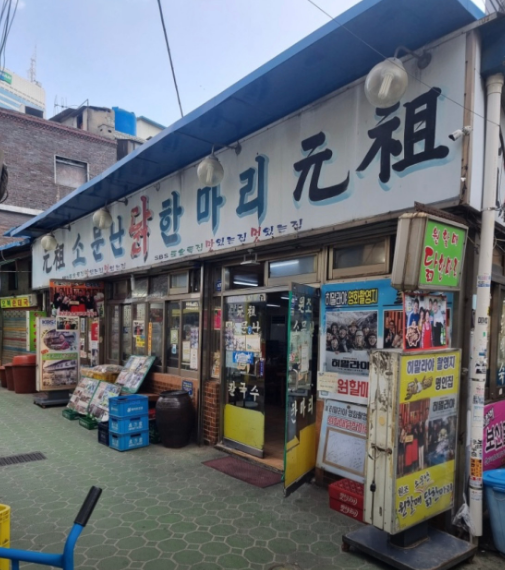
Wonhalmae Wonjo Dakhanmari — Save It for a Dongdaemun Evening
Area: Dongdaemun
Best timing: Dinner
Detour: Low if you’re already around Dongdaemun
I’d go: If Dongdaemun is already part of your evening
I’d skip: A special daytime trip just for this meal
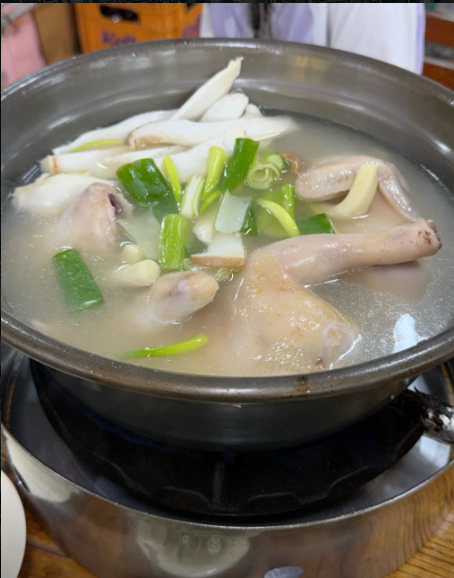
Dakhanmari is one of the Korean meals I would recommend trying with another person rather than eating alone. A whole chicken is cooked at the table in broth, and you can add noodles later, so the meal itself is part of the experience.
Wonhalmae Wonjo Dakhanmari is in Dongdaemun’s famous Dakhanmari Alley. For a first-time visitor, the smartest way to eat here is to combine it with an evening you were already planning to spend around Dongdaemun.
That means you can finish sightseeing first, have dakhanmari for dinner, and continue around Dongdaemun afterward instead of using the middle of your day for another restaurant detour.
Dakhanmari is better with two or more people. If you’re traveling solo, I would not make a special trip here unless this dish is high on your food list.
Woo Lae Oak — Go If You Really Want to Try Pyongyang Naengmyeon
Area: Euljiro
Detour: Depends on your itinerary
I’d wait: If Pyongyang naengmyeon is specifically on your food list
I’d skip: If you simply need a convenient Korean lunch
Woo Lae Oak is different from a restaurant I would recommend simply because it is nearby. The reason to come here is that you specifically want to experience Pyongyang-style naengmyeon.
If you have never tried it before, there is one thing worth knowing. The broth can taste surprisingly mild and subtle compared with the stronger flavors many travelers associate with Korean food.
For some people, that subtle flavor is exactly why the dish is interesting. For others, it may not be the meal they want to spend a long time waiting for on a short trip.
If trying authentic Pyongyang naengmyeon is one of the Korean food experiences you specifically want, put Woo Lae Oak on your list. If you simply want a good lunch before your next attraction, choose somewhere closer.
Gwangjang Market — Go for the Market Experience
Area: Jongno
Try: Bindaetteok, gimbap, tteokbokki, eomuk and yukhoe
I’d go: If you’re already exploring Jongno or Dongdaemun
I’d skip: Crossing Seoul only because you saw one viral food stall
I would treat Gwangjang Market differently from a normal restaurant. You are not coming here only to find the single best plate of food in Seoul. The market itself is part of the experience.
Walk through the food alleys, look at what is being cooked, and try a few things that interest you. You do not need to stand in every long line just because one stall became famous online.
Gwangjang Market makes the most sense when you’re already spending time around Jongno, Euljiro or Dongdaemun. In that case, you can add it without sacrificing much sightseeing time.
If one stall has a huge queue, look around before joining it. The point of visiting Gwangjang Market is to experience the market and try Korean food — not to spend most of your visit standing in one line.
Hongdae, Yeonnam & Mangwon
If you’re following a typical first-time Seoul itinerary, this is one of the easiest areas to combine sightseeing and food without wasting time. Yeonnam, Hongdae and Mangwon are close enough that you can move through them naturally instead of planning a separate restaurant trip.
This is especially useful on a day when you want to explore cafés, shops, Hongdae streets, Mangwon Market and the Han River.
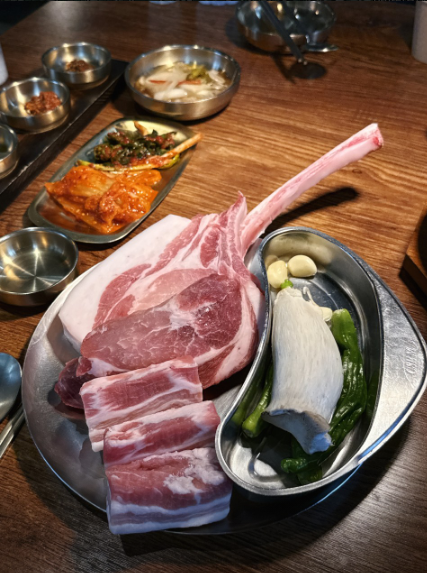
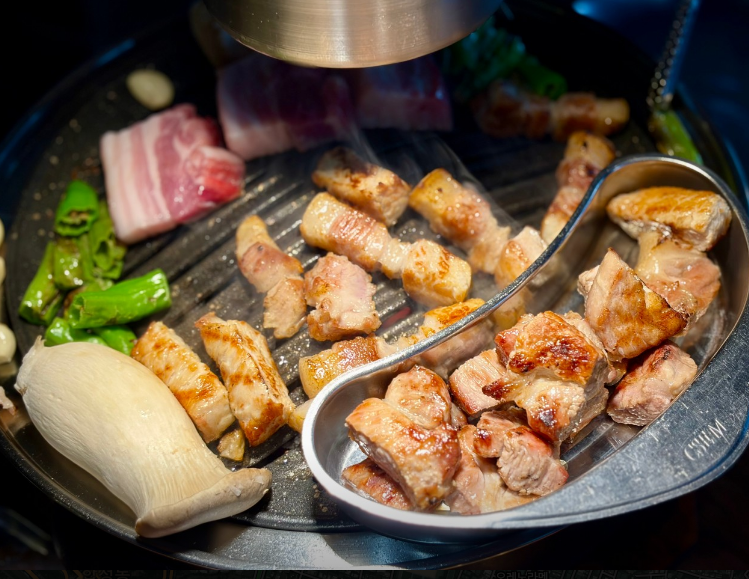
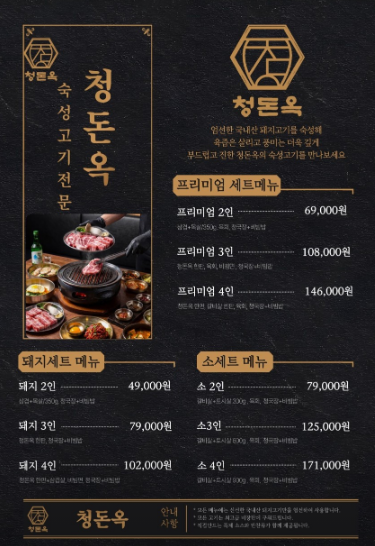
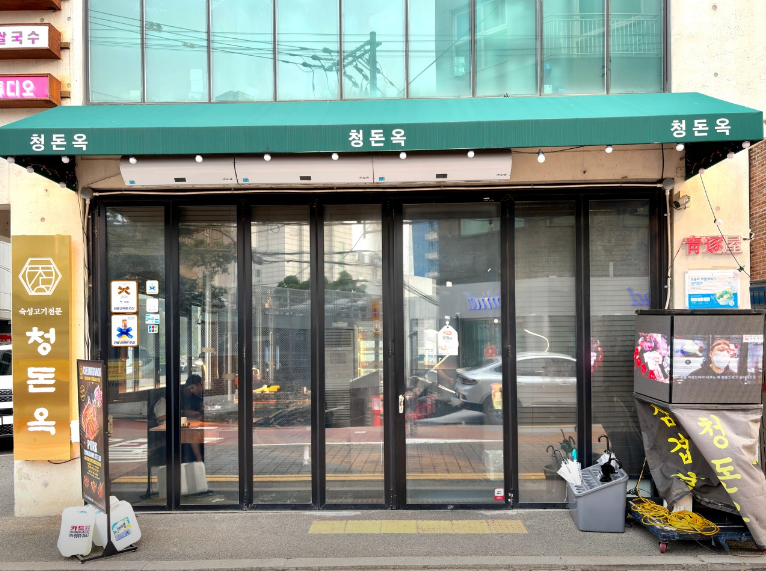
Cheongdonok — Korean BBQ Without Crossing Seoul
Area: Hongdae / Hapjeong
Good for first-time visitors: Staff grill the meat and an English menu is available
I’d go: If you’re already spending the afternoon or evening around Hongdae
I’d skip: Traveling to another part of Seoul just because a different BBQ restaurant is more famous
Korean BBQ is one of the meals many first-time visitors want to try, but you do not need to travel across Seoul to a famous restaurant just to have a good experience.
Cheongdonok works well because it is between the Hongdae and Hapjeong areas, making it relatively easy to add to a day you are already spending in western Seoul.
Another advantage for a first Korean BBQ experience is that the staff grill the meat for you. That removes one small but common worry for visitors who are not sure when to turn the meat, when it is ready, or how the meal normally works.
If you’re already in Hongdae, eat BBQ around Hongdae. A slightly more famous restaurant is rarely worth adding a long subway ride and another queue to your evening.
Mangwon Market — A Better Fit for a Hongdae Day
Area: Mangwon
Best timing: Afternoon
I’d go: If your day already includes Hongdae, Yeonnam or the Han River
I’d skip: Trying to visit both Mangwon and Gwangjang Market just to tick off two markets
Mangwon Market is a good example of why the most famous option is not automatically the best option for your itinerary.
If you already visited Gwangjang Market on another day, you do not need to treat Mangwon as another mandatory Seoul attraction. But if your day is centered around Yeonnam and Hongdae, Mangwon fits naturally into the route.
You can walk through the market, try a few inexpensive foods such as dakgangjeong or other snacks, and then continue toward the Han River instead of making a separate food trip across the city.
Choose the market that fits your itinerary. If you’re already around Jongno or Dongdaemun, Gwangjang makes more sense. If you’re spending the day around Hongdae and the Han River, Mangwon is the easier choice. You do not need to visit both on a short trip.
What About Fried Chicken by the Han River?
If the weather is good, you may be tempted to buy or order fried chicken and eat it by the Han River. It is a fun Seoul experience, but I would keep the plan flexible rather than building the whole evening around it.
If everyone is tired, the weather changes, or carrying food to the river suddenly feels like work, there is nothing wrong with eating nearby and heading back to your hotel.
Later in this guide, I’ll also show you another option that can be surprisingly useful after a long sightseeing day: ordering Korean fried chicken directly to your accommodation.
Gangnam
Gangnam is another area where I would avoid traveling across Seoul just for dinner. If your day already includes COEX, shopping or other stops south of the Han River, it makes more sense to eat nearby and keep the evening moving.
BBQ YUL — A Practical Korean BBQ Option in Gangnam
Area: Gangnam Station
Good for first-time visitors: Staff grill the meat and English assistance is available
I’d go: If you’re already spending the afternoon or evening in Gangnam
I’d skip: A special trip to Gangnam only for this restaurant
If your Seoul itinerary includes Seongsu, COEX and Gangnam on the same day, this is a good night to have Korean BBQ without adding another long subway ride.
BBQ YUL is close to Gangnam Station, and having the staff grill the meat makes the experience easier if this is your first Korean BBQ meal.
The important point is not that you must eat at this exact restaurant. It is that a good restaurant in the right place can be more useful than a more famous restaurant in the wrong place.
If you’re already in Gangnam for the evening, stay in Gangnam for dinner. Going back across the Han River for a famous restaurant can easily turn one meal into a much bigger part of your night.
Famous Seoul Restaurants: When Is the Wait Worth It?
There are some restaurants where the restaurant itself is part of the experience. In that case, waiting can make sense.
But I would separate “I really want to eat at this restaurant” from “I just want to try this Korean food.” Those are two very different reasons to spend an hour in line.
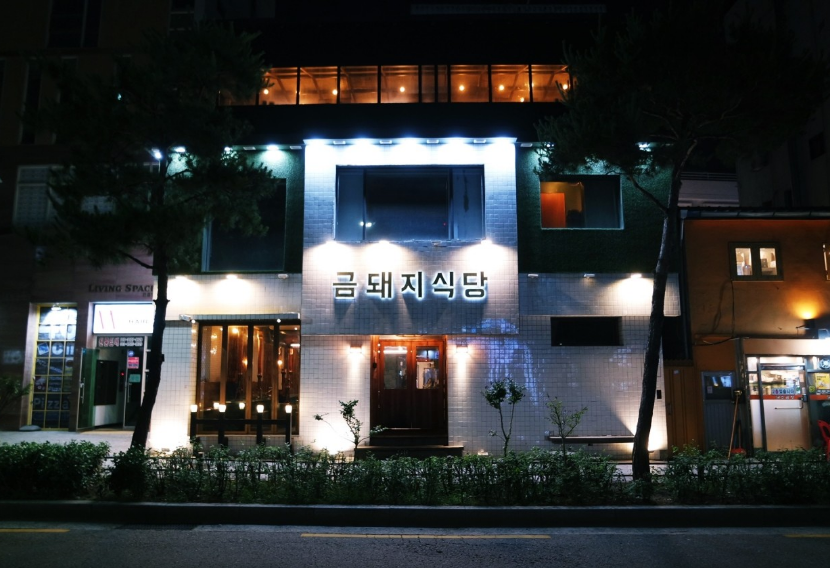
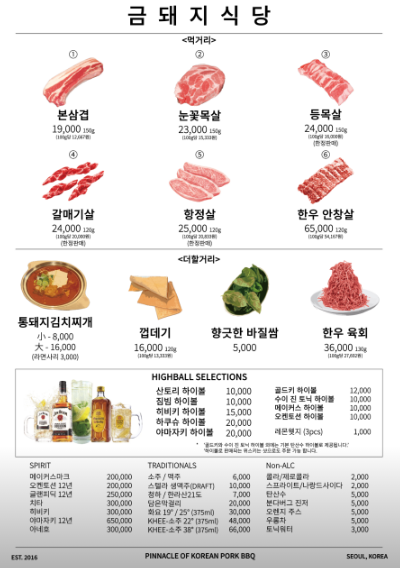
Geumdwaeji Sikdang — When the Restaurant Itself Is the Destination
Area: Yaksu / Sindang
Expect: A popular restaurant where queues can be part of the experience
I’d wait: If this restaurant itself is high on your Seoul food list
I’d skip: If your only goal is to eat good Korean pork BBQ once
Geumdwaeji Sikdang is a good example of a restaurant I would treat as a destination rather than a convenient meal.
If you researched it before your trip, specifically want to eat here, and Korean pork BBQ is one of the food experiences you’re most excited about, then spending some time waiting may be completely reasonable.
But if your goal is simply to try samgyeopsal during your Seoul trip, I would not automatically sacrifice an hour or more of sightseeing just because this restaurant is more famous.
There are Korean BBQ restaurants all over Seoul. If you’re already spending your evening in Hongdae or Gangnam, a good restaurant nearby may give you the experience you wanted without turning dinner into a separate sightseeing mission.
Do I want to eat at this restaurant, or do I simply want to eat this type of Korean food?
If the restaurant itself matters, the wait may be worth it. If the food is what matters, look for a good option near where you already are.
| Situation | What I’d Do |
|---|---|
| Restaurant is already on today’s route | A reasonable wait can be worth it |
| 30–40 minute detour + long queue | Usually choose something closer |
| Specific restaurant is on your must-eat list | Plan the wait into your day |
| You only want to try the dish | Find a good nearby alternative |
| You’re already tired after sightseeing | Skip the queue and enjoy your evening |
Tired? Order Korean Food to Your Hotel Instead
You do not need to visit a famous restaurant for every meal in Seoul. After a full day of palaces, shopping, cafés and subway rides, there may come a point when nobody wants to go back outside for dinner.
On a night like that, ordering food to your hotel can actually be one of the easiest ways to experience something very Korean without losing another hour of your trip.
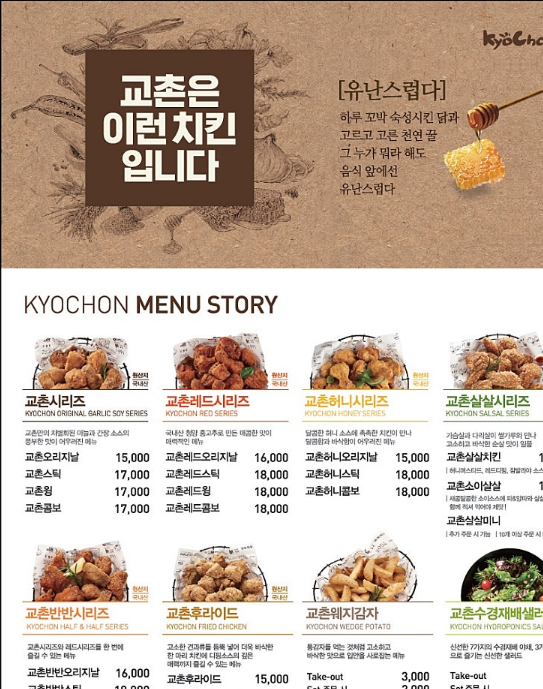
Korean fried chicken is the obvious choice, but it is not the only one. Depending on the delivery service and your area, you may also find jokbal, bossam, tteokbokki, pizza and other late-night foods.
You’re exhausted after walking all day.
It’s raining heavily.
You arrived in Seoul late.
Your group wants a relaxed night.
Or you simply don’t want to spend another hour traveling to a restaurant and waiting for a table.
For me, that is not a wasted meal. Korean fried chicken and Korea’s delivery culture can be part of the travel experience too.
The Difficult Part for Foreign Visitors
Ordering delivery in Korea can be less straightforward for short-term visitors than it is for residents. Some Korean delivery apps may require a Korean phone number, local verification or payment methods that a tourist does not have.
So before downloading several Korean apps and trying to create accounts, check whether the service you want to use supports international visitors and foreign payment cards.
Delivery options and payment requirements can change. Check the latest conditions when you are in Korea rather than assuming an app will work exactly the same way it did a few months earlier.
Before You Order to a Hotel
The first thing I would do is ask the hotel front desk:
Do not automatically assume the driver can come directly to your room. Depending on the accommodation, you may need to meet the driver in the lobby or outside the entrance.
Also double-check the hotel name and address before placing the order. Large hotels are usually easy to identify, but smaller hotels, guesthouses and buildings can sometimes have similar names.
A Few Useful Korean Words
| Korean | Meaning | When You’ll See It |
|---|---|---|
| 배달 (baedal) | Delivery | Apps and restaurant signs |
| 포장 (pojang) | Takeout / takeaway | When picking food up yourself |
| 로비 (robi) | Lobby | Meeting a driver at your hotel |
| 도착했어요 (dochakaesseoyo) | I’ve arrived | A message you may receive from a driver |
If delivery becomes complicated, don’t waste 40 minutes fighting with an app. Ask your hotel for help, use takeout from a nearby restaurant, or simply eat somewhere close to your accommodation. The whole point is to save time, not create another problem.
Where to Eat on a 3-Day Seoul Trip
If you only have three full days in Seoul, finding the best restaurants in Seoul does not mean building your entire itinerary around food. I would plan the sightseeing route first, then choose restaurants that fit naturally into each day.
Here is how the restaurants and food ideas in this guide can fit into a simple three-day Seoul itinerary.
Day 1 — Gyeongbokgung, Bukchon, Insadong & Myeongdong
Lunch: Tosokchon after Gyeongbokgung if the queue looks reasonable
Dinner: Myeongdong Kyoja or another restaurant near your hotel
Day 1 is a good example of why location matters. You can eat well without making a separate restaurant trip because all three meals can fit around places you were already planning to visit.
If Tosokchon has an excessive queue, don’t let lunch delay the rest of your day. Continue toward Seochon or Insadong and eat nearby.
Day 2 — Seongsu, COEX & Gangnam
Dinner: Korean BBQ around Gangnam
Easy option: BBQ YUL if it fits your route and timing
The mistake I would avoid on Day 2 is finishing your sightseeing in Gangnam and then taking another long subway ride north just because you saved a famous restaurant on social media.
If you’re already south of the Han River, stay there for dinner. This is also a good night to try Korean BBQ.
Day 3 — Yeonnam, Hongdae, Mangwon & the Han River
Afternoon: Try a few snacks at Mangwon Market
Dinner: Korean BBQ around Hongdae or fried chicken later in the evening
This day is flexible. You can have a proper meal in Hongdae, snack your way through Mangwon Market, and continue toward the Han River without making food the main purpose of the day.
If you still want Korean BBQ, eat around Hongdae. If everyone is tired by evening, skip another restaurant completely and order fried chicken back at the hotel.
Plan your sightseeing first.
Choose restaurants along that route.
Make a special detour only for a food or restaurant you genuinely do not want to miss.
If you’re still planning your days, see my Seoul 3-Day Itinerary for the full route, including Gyeongbokgung, Seongsu, Hongdae, Mangwon and the Han River.
Simple Restaurant Tips That Save Time
A few small decisions can save you a surprising amount of time when eating around Seoul. You do not need to plan every meal before your trip, but I would keep these rules in mind.
1. Don’t Wait Just Because Everyone Else Is Waiting
A long queue does not automatically mean you need to join it. If the restaurant itself is one of your must-visit places, waiting may make sense. Otherwise, check what is nearby before giving up an hour of your day.
2. Eat a Little Earlier or Later
If your schedule is flexible, moving lunch or dinner slightly away from the busiest times can make the day easier. You may spend less time waiting and more time actually exploring Seoul.
3. Save One Backup Restaurant in Each Area
You do not need a list of ten restaurants for every neighborhood. One main choice and one nearby backup are usually enough.
If your first choice is closed or the queue is much longer than expected, you can simply move to the backup instead of standing outside searching your phone for another restaurant.
4. Check the Latest Opening Hours Before You Go
Opening hours, break times and closing days can change. Even if you saved a restaurant before your trip, check the latest information on the day you plan to visit.
5. Use Naver Map or KakaoMap for the Final Walk
Google Maps can be useful for general planning, but once you’re in Korea, Naver Map or KakaoMap can be especially helpful for finding restaurant entrances, checking nearby places and navigating the final part of your walk.
6. Don’t Be Afraid to Change the Plan
Maybe the restaurant is packed. Maybe it’s raining. Maybe you’re simply too tired after walking around Seoul all day.
Change the plan. Eat somewhere nearby, get takeout, or order food back at your hotel. A restaurant should fit your trip — your trip should not have to fit the restaurant.
Before traveling across Seoul for a restaurant, ask yourself: “Do I really want this restaurant, or do I just want this food?”
If you just want the food, there is probably a good option much closer to where you already are.
FAQ
What Food Should I Try on My First Trip to Seoul?
The best restaurants in Seoul for a first trip are not necessarily the most famous ones. You do not need to try every famous Korean dish on one trip. For a first visit, Korean BBQ, samgyetang, kalguksu or mandu, a traditional soup such as gomtang, market food and Korean fried chicken already give you a good mix of Korean food experiences.
I would choose them based on where you are that day rather than traveling across Seoul to check every dish off a list.
Are Famous Restaurants in Seoul Worth Waiting For?
Sometimes. If the restaurant is already on your route and the queue is reasonable, waiting can make sense.
If reaching the restaurant requires a long subway ride and then another long wait, I would only do it when that specific restaurant is genuinely important to you. Otherwise, look for a good alternative nearby.
Is Gwangjang Market Worth Visiting?
Yes, especially if your itinerary already includes Jongno, Euljiro or Dongdaemun. I would visit for the market atmosphere and the chance to try several Korean foods rather than expecting every famous stall to be the best version of that dish in Seoul.
If your itinerary is centered around Hongdae and the Han River instead, Mangwon Market may fit your day more naturally. On a short Seoul trip, you do not need to visit both.
Where Should I Eat Korean BBQ in Seoul?
For most first-time visitors, I would start with location. If you’re spending the evening around Hongdae, eat BBQ around Hongdae or Hapjeong. If you’re already in Gangnam, stay in Gangnam.
Make a special trip to a famous BBQ restaurant only when that restaurant itself is one of the places you really want to experience.
Can Tourists Order Food Delivery to a Hotel in Seoul?
Often, yes, but check with your accommodation first. Some hotels may ask you to meet the delivery driver in the lobby or outside rather than allowing deliveries directly to your room.
Also remember that some Korean delivery apps can be difficult for short-term visitors because phone verification and payment requirements vary. If ordering becomes complicated, ask your hotel for help or get takeout from somewhere nearby instead.
Do I Need Restaurant Reservations in Seoul?
Not for every restaurant. Many casual Korean restaurants, markets and local BBQ restaurants are walk-in friendly, while popular or higher-end restaurants may use reservations or waiting systems.
For any restaurant that is especially important to your trip, check its latest reservation policy before you go rather than assuming you can book or walk in.
Should I Plan My Seoul Itinerary Around Restaurants?
Usually, no. For a first trip, I recommend planning the places you want to see first and then choosing good restaurants that fit naturally into those neighborhoods.
The exception is a restaurant or dish that is genuinely one of the experiences you came to Korea for. In that case, give it the time it deserves and plan the rest of the day around it.
You can eat extremely well in Seoul without chasing every restaurant you saw on Instagram, TikTok or YouTube.
Sometimes the famous restaurant is worth the wait. Sometimes the better choice is five minutes away. And sometimes, after walking around Seoul all day, the right answer is fried chicken delivered to your hotel.
Your time in Seoul is limited. Spend it on the experiences that matter to you — not just on the places with the longest lines.
Planning Your First Seoul Trip?
If you are still deciding how to organize your days, start with my Seoul 3-Day Itinerary. It connects Gyeongbokgung, Bukchon, Seongsu, Gangnam, Hongdae, Mangwon and the Han River without sending you back and forth across the city.
Once your route is set, come back to this guide and choose the restaurants that fit each day. That is usually much easier than building your trip around a list of famous places to eat.