
Beyond K-pop: 5 Everyday Korean Experiences Foreign Travelers Love
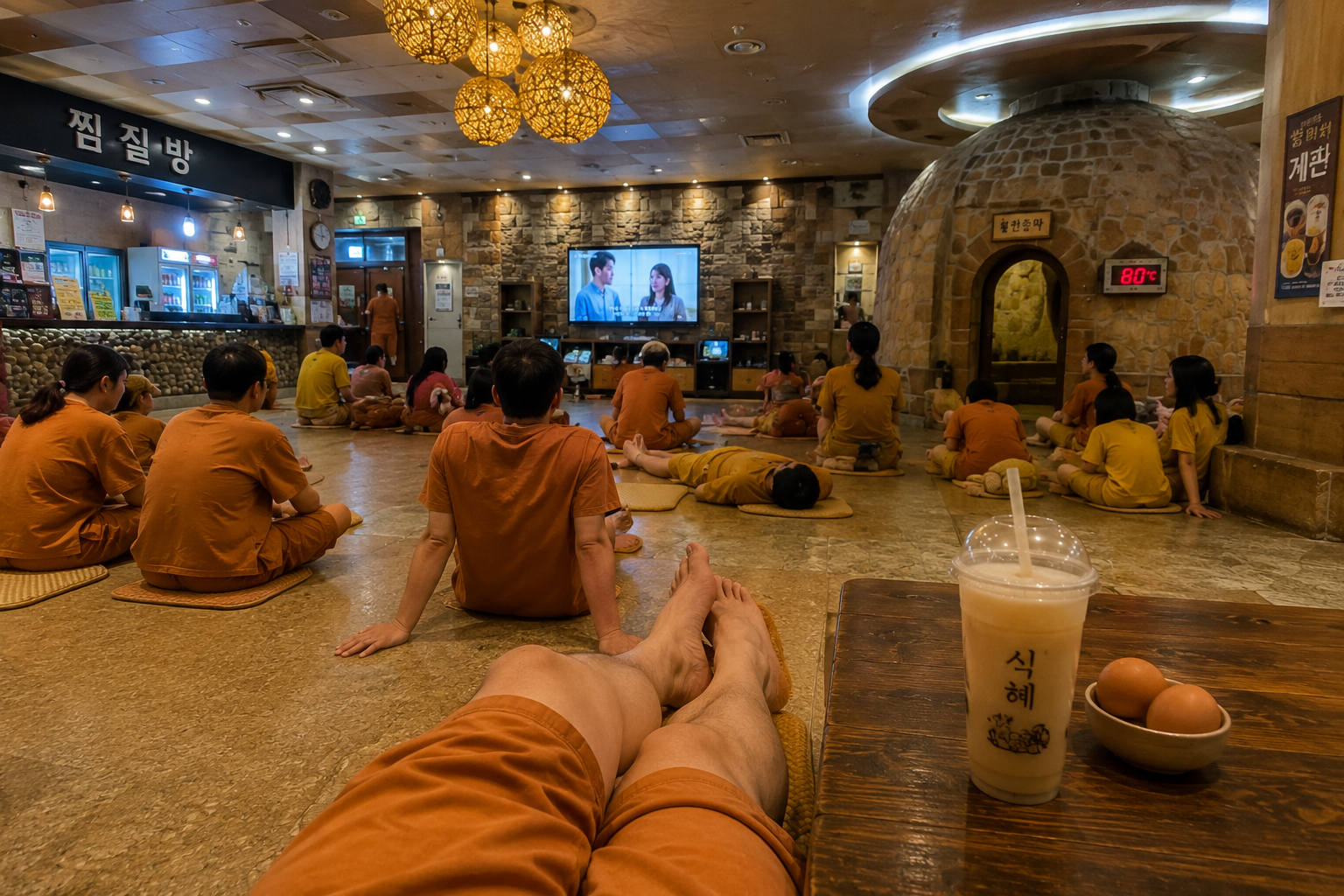
Everyday Korean experiences can become some of the most memorable parts of a trip to Korea. K-pop, K-dramas, and famous landmarks may be what first bring travelers here, but the moments they remember most are often much more ordinary.
A late-night convenience store run. An iced Americano on the way to the subway. Browsing a neighborhood variety store. Relaxing at a jjimjilbang. Or simply walking through a quiet street that never appeared in your guidebook.
The Korea many travelers fall in love with is often the Korea people live every day.
Famous attractions are absolutely worth visiting. But if you want to understand Korea a little more deeply, add a few everyday Korean experiences to your itinerary.
These small moments can show you how people actually shop, eat, relax, drink coffee, use convenience stores, and spend time in their neighborhoods.
You do not need a special tour or complicated plan. Most of these experiences are inexpensive, easy to try, and already part of daily life in Korea.
Do not try to copy everything locals do. The goal is simply to slow down, notice everyday life around you, and try a few things you might normally walk past.
Here are 5 everyday Korean experiences worth trying on your first trip.
1. Everyday Korean Experiences: Shop Where Koreans Actually Shop
Shopping in Korea does not have to mean spending hours in a luxury department store or searching only for famous souvenirs.
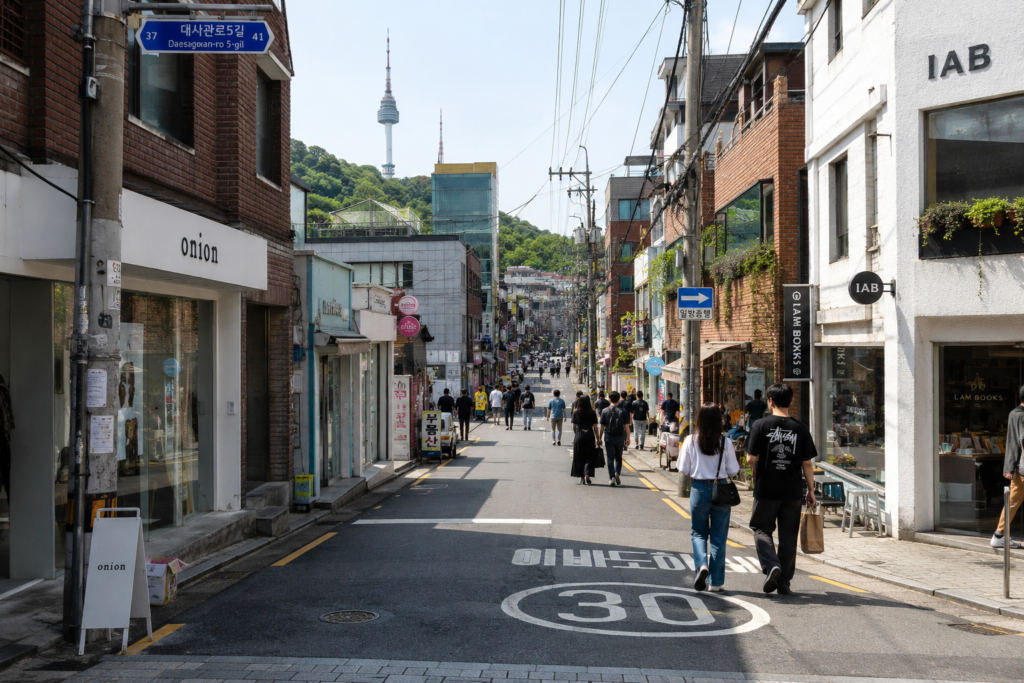
One of the easiest everyday Korean experiences is simply walking into the same stores that locals use for ordinary shopping.
Two names you will see frequently are Daiso and Olive Young. They serve very different purposes, but both are useful stops for travelers and offer a glimpse into everyday shopping in Korea.
What Can You Find?
Daiso
A useful place for inexpensive household goods, stationery, travel accessories, storage items, snacks, beauty items, and small gifts.
Olive Young
One of Korea’s best-known health and beauty retailers, with skincare, cosmetics, sheet masks, hair products, personal-care items, and many Korean beauty brands.
For travelers, Daiso can also be surprisingly practical. Forgot a charging cable, travel container, umbrella, laundry bag, or another small item? It may be worth checking a nearby Daiso before searching for a specialty store.
Olive Young is especially useful if Korean skincare or cosmetics are on your shopping list. Instead of choosing products only because they are trending online, spend some time looking around and see what is actually available in Korean stores.
Do not assume the biggest branch will always give you the best experience. Busy stores in major tourist areas can be crowded, while a smaller neighborhood branch may be easier to browse and feel more like everyday Korea.
2. Everyday Korean Experiences: Visit a Korean Convenience Store
A visit to a convenience store is one of the easiest everyday Korean experiences to try during your trip.
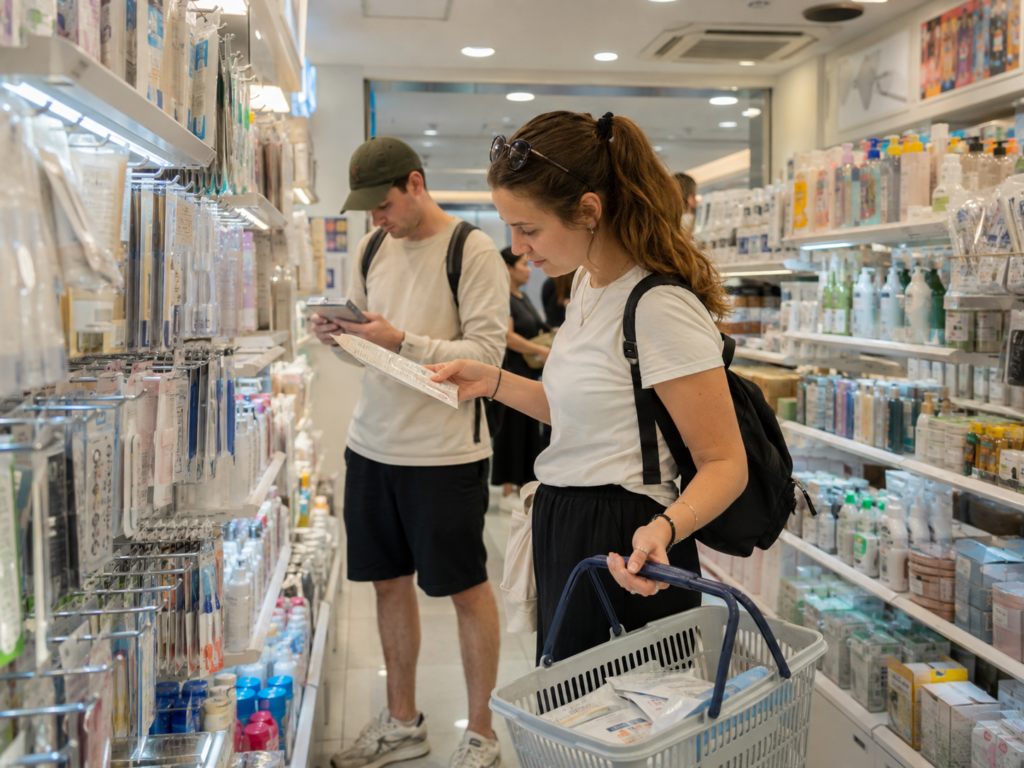
Korean convenience stores are much more than places to grab a bottle of water. You will see chains such as CU, GS25, 7-Eleven, and emart24 throughout Seoul and other cities.
Inside, you can find ready-to-eat meals, cup ramen, triangle gimbap, drinks, desserts, coffee, snacks, ice cups, and seasonal products that change throughout the year.
Many stores also have microwaves and hot-water dispensers, making it easy to prepare food immediately after buying it. Some locations also have seating areas where you can eat.
Easy First Convenience Store Meal
If you are not sure what to try, keep it simple:
1. Choose a cup ramen.
2. Add hot water using the dispenser.
3. Pick up a triangle gimbap or another small snack.
4. Grab a drink or an ice cup with a packaged beverage.
It is inexpensive, easy, and something you can try without planning an entire meal around it.
Useful Korean You May See
컵라면
Cup ramyeon
Cup noodles
삼각김밥
Samgak gimbap
Triangle-shaped rice snack
얼음컵
Eoreumkeop
Cup of ice
Do not feel like you need to copy a complicated combination you saw on social media. Walk around the store, choose something that looks interesting, and make your own convenience store meal.
Convenience stores are especially useful after arriving late at night, when many restaurants may already be closed. If you are tired after a flight, a simple convenience store meal near your hotel can be an easy first meal in Korea.
It may sound simple, but these ordinary moments often become some of the travel memories people remember most.
3. Everyday Korean Experiences: Grab an “아아” Like a Korean
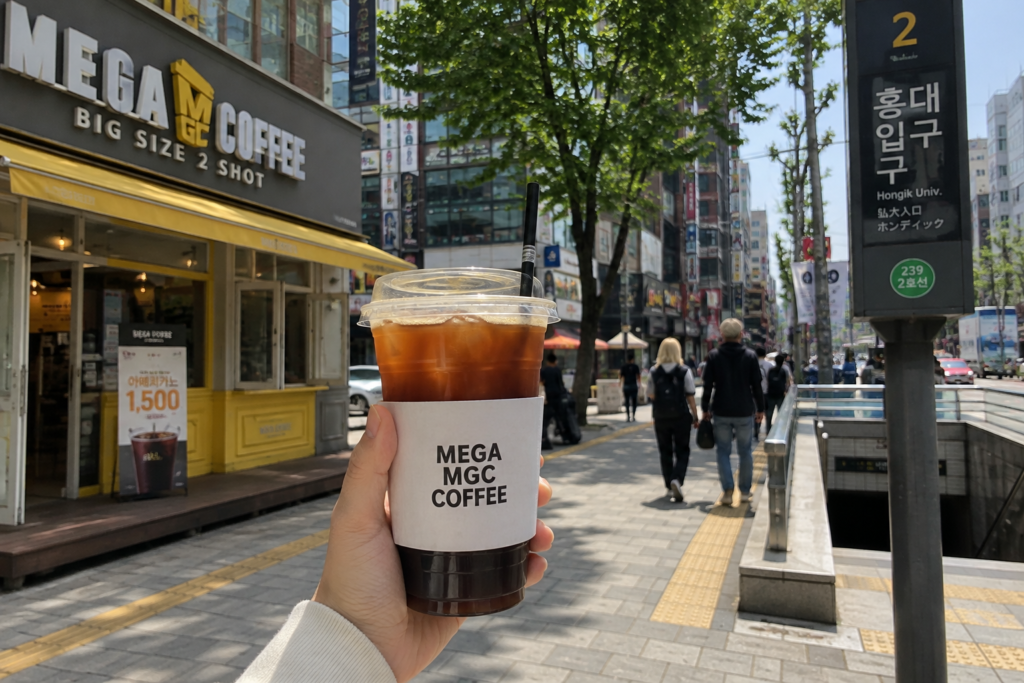
Coffee is a big part of everyday life in Korean cities, and grabbing a quick iced Americano is one of the easiest everyday Korean experiences to try.
Korea is famous for stylish cafés, but not every coffee stop needs to be a destination. You will also see small neighborhood cafés, takeout shops, and affordable coffee chains almost everywhere.
Try ordering a drink to go and carrying it with you while you walk around the neighborhood, head to the subway, or take a break between sightseeing stops.
☕ How Koreans Actually Say It
아아 주세요.
A-a juseyo.
An iced Americano, please.
아아 (a-a) is a common casual abbreviation for 아이스 아메리카노 (iced Americano).
You may hear Koreans use it in everyday conversation and when ordering, but you do not need to use the abbreviation yourself.
Want the Easy Version?
아이스 아메리카노 한 잔 주세요.
Aiseu amerikano han jan juseyo.
One iced Americano, please.
This is simple, polite, and perfectly natural to use when ordering at a café.
You may also order from a touchscreen kiosk instead of speaking to a staff member. Do not worry if this happens — self-service ordering is common in Korean cafés.
You do not need to force yourself to use Korean slang to sound local. Knowing what 아아 means is already useful. When ordering, use whichever expression feels easiest and most comfortable.
4. Everyday Korean Experiences: Spend a Few Hours at a Jjimjilbang
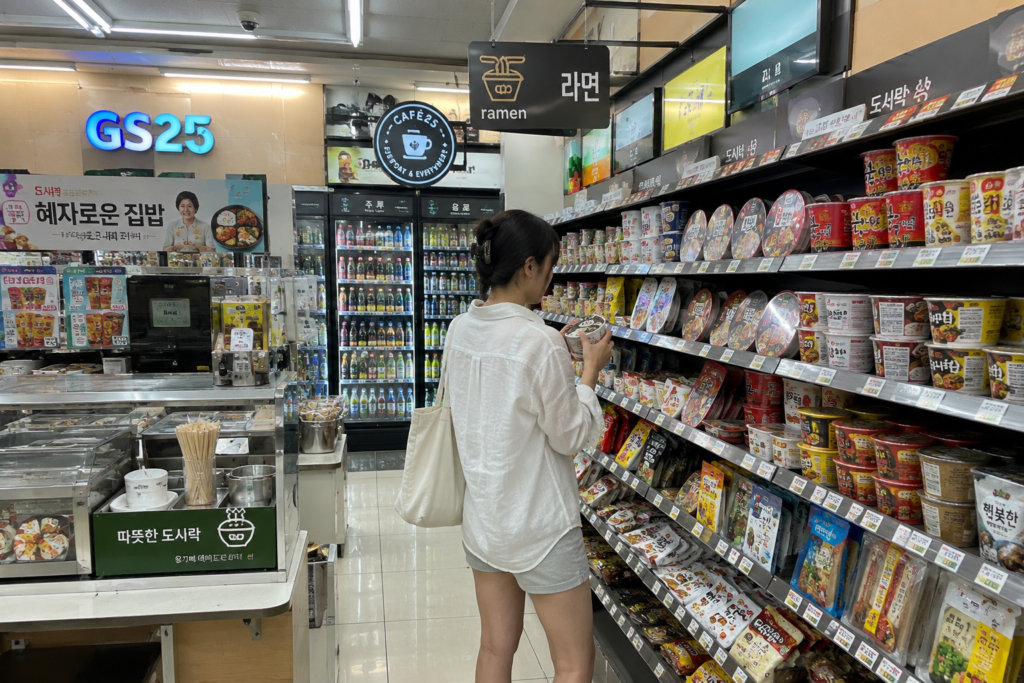
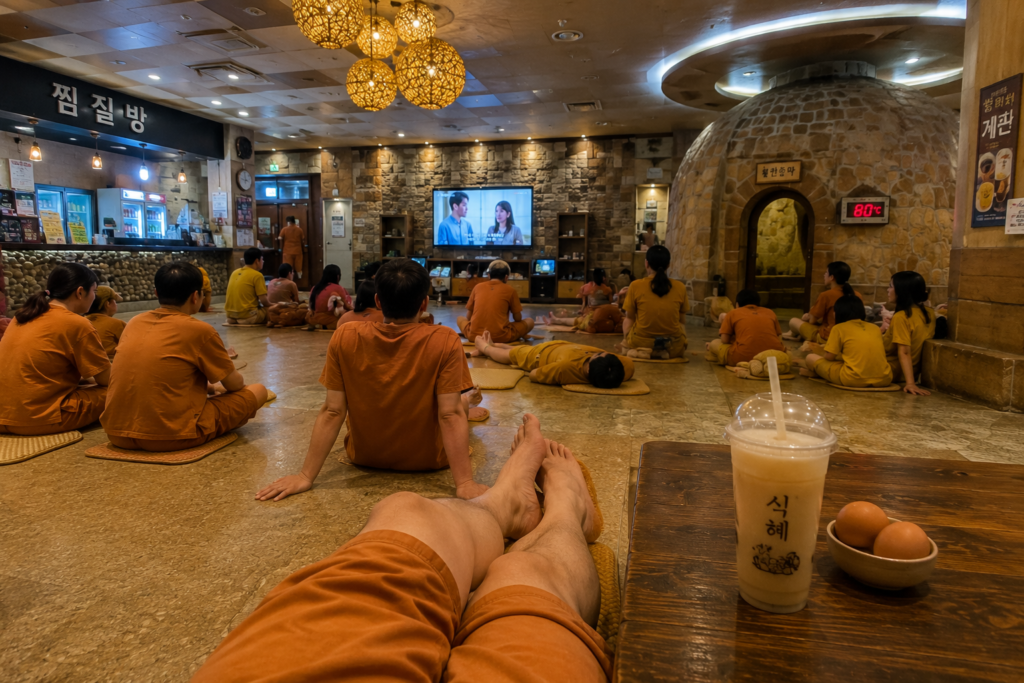
Visiting a jjimjilbang (찜질방) is one of the most distinctive everyday Korean experiences you can try during your trip.
A jjimjilbang is a Korean bathhouse and relaxation facility where people come to bathe, rest, use heated rooms, eat, and spend time together. The exact facilities vary from place to place.
Depending on the jjimjilbang, you may find hot and cold baths, saunas, heated rooms, lounges, massage chairs, food areas, and places where you can simply lie down and relax.
♨️ What Happens When You Visit?
1. Pay at the entrance.
Depending on the facility, you may receive a locker key, towels, and clothes to wear in the shared jjimjilbang areas.
2. Store your shoes and belongings.
Follow the facility’s locker system and keep your key or wristband with you.
3. Bathing areas are separated by gender.
The bath and shower areas are typically separate, while many relaxation and heated-room areas are shared.
4. Wash before entering the baths.
Showering before using the communal baths is an important part of Korean bathhouse etiquette.
5. Slow down and relax.
There is no need to rush from room to room. Rest, cool down, have something to eat, and enjoy the experience at your own pace.
What Do People Eat at a Jjimjilbang?
Two things strongly associated with the classic jjimjilbang experience are sikhye (식혜), a sweet Korean rice drink, and roasted eggs (구운 계란).
Not every facility offers the same food, but if you see them, they are fun things to try while taking a break.
Jjimjilbang eodi isseoyo?
Where is the jjimjilbang?
For travelers who have spent several days walking around Seoul or Busan, a jjimjilbang can be a good opportunity to slow down and experience a different side of Korean daily life.
Want to see a real Korean jjimjilbang?
See an example on the
official VISITKOREA website.
Jjimjilbang facilities, prices, operating hours, and rules can vary significantly. Before visiting, check the specific facility’s current information — especially if you plan to visit late at night or expect overnight access.
5. Everyday Korean Experiences: Explore a Neighborhood Without a Checklist
Not every hour of your Korea trip needs to be planned around a famous attraction.
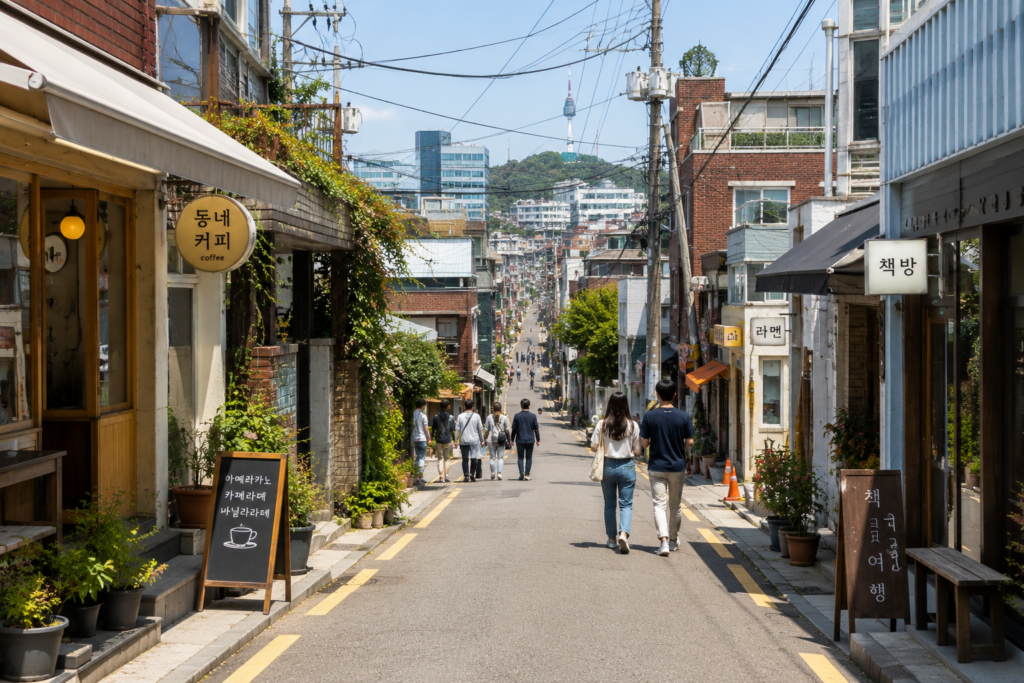
One of the simplest everyday Korean experiences is choosing a neighborhood, putting away the sightseeing checklist for an hour or two, and simply walking.
You might find a bakery crowded with local customers, a tiny coffee shop, a traditional market, a neighborhood park, or a restaurant you would never have searched for online.
🚶 How to Explore Without Overplanning
Start near a subway station.
Choose an area you already plan to visit and walk beyond the busiest main street.
Follow what looks interesting.
A busy bakery, small market, local café, stationery shop, or neighborhood restaurant can be worth a quick stop.
Look up as well as straight ahead.
In Korean cities, cafés, restaurants, shops, and other businesses are often located on upper floors or underground, not only at street level.
Leave some empty time in your schedule.
Even 60–90 minutes without a fixed destination can give you a completely different experience from moving directly between tourist attractions.
Save your hotel before you start.
Keep your hotel or nearest subway station saved in Naver Map or KakaoMap so you can easily navigate back when you are finished.
Learn how to use T-Money, choose the correct direction, make transfers, and find the right subway exit before exploring Seoul.
You may not discover a world-famous landmark, and that is exactly the point.
You may instead notice the things that are easy to miss when rushing between attractions — how people order coffee, what they buy after work, where families eat, or how a neighborhood changes from afternoon to evening.
Sometimes the Korea you remember most is the Korea you were never specifically looking for.
Do not try to “act Korean” or treat residential neighborhoods like tourist attractions. Just slow down, respect the people who live there, and enjoy the ordinary things happening around you.
The Korea You Remember May Be the Ordinary Korea
K-pop or K-dramas may have been what first made you curious about Korea.
But when your trip is over, the memories that stay with you may be much smaller.
The convenience store you visited late at night.
The first Korean phrase you successfully used.
The coffee you carried onto the subway.
The neighborhood restaurant where someone helped you use the kiosk.
The quiet hour you spent relaxing at a jjimjilbang.
These ordinary moments are also K-Culture.
Travel smarter. Learn real Korea. Experience Korea like a local.
💬 Reader Question
Which everyday Korean experience would you most like to try?
Daiso shopping? Convenience-store food? Korean coffee culture? A jjimjilbang? Or simply exploring a local neighborhood?
If there is something about everyday Korean life you are curious about, leave a comment below.
Your question might become the next Korea First Trip guide.