
Before You Fly to Korea: What You Actually Need to Prepare in 2026
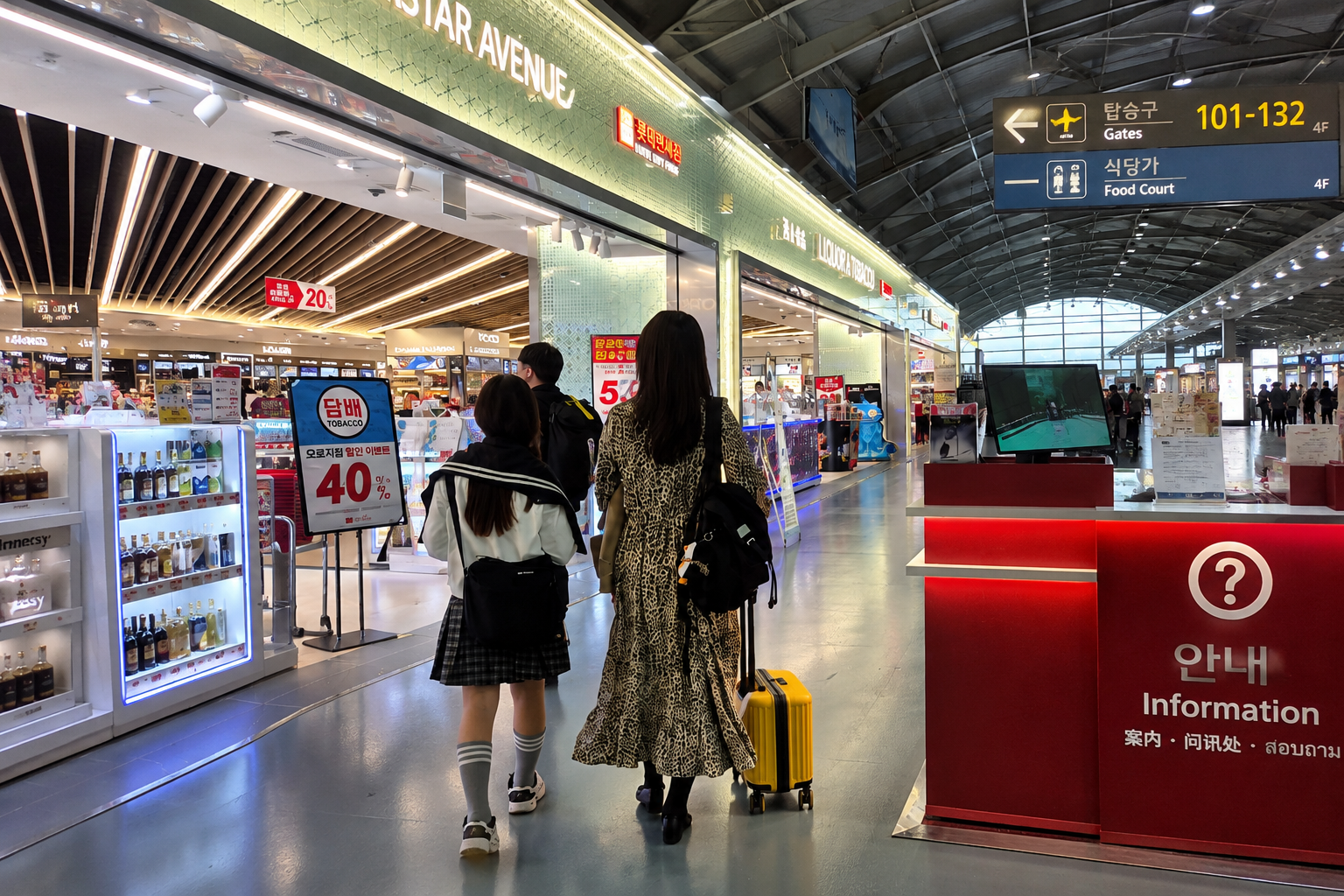
Korea travel preparation can feel overwhelming when it’s your first trip. It may seem like you need to prepare everything before you leave — transport cards, apps, cash, SIM cards, reservations, and more.
You really don’t.
But there are a few things that are much easier to sort out before your flight. Getting these ready can save you from standing at Incheon Airport after a long flight, trying to figure everything out on your phone.
Quick Answer
Before flying to Korea, make sure you have:
- Checked the latest entry requirements for your passport
- Set up mobile data or an eSIM
- Installed Naver Map and Papago
- Prepared at least two ways to pay
- Decided how you’ll get from the airport to your accommodation
- Checked whether anything on your itinerary needs advance booking
You don’t need to buy a T-money card before leaving home, exchange a large amount of cash, or book every part of your trip in advance.
Once these basics are ready, you can leave plenty of the trip unplanned and figure things out after you arrive.
This post may contain affiliate links to tickets, tours, and travel services. I may earn a small commission at no additional cost to you.
1. Check the Entry Requirements for Your Passport
Before you fly, check the entry rules that apply to your nationality and passport. Don’t assume that the requirements are the same for everyone.
As of August 2026, Korea has extended its temporary K-ETA exemption for countries and regions already covered by the exemption through December 31, 2026.
If your passport is not covered by an exemption, you may still need a K-ETA or a visa depending on your situation. The safest option is to check the official Korean government website before departure.
If you need to submit an e-Arrival Card, you can complete it online from three days before arriving in Korea. It is free. Travelers with a valid K-ETA are generally exempt from submitting the arrival card.
One thing worth knowing: fake e-Arrival Card websites do exist. The Korean government’s official e-Arrival Card service does not charge a fee.
Official Korean government websites:
Entry rules can change, so this is one thing I would always check again shortly before flying.
2. Set Up Mobile Data Before You Arrive
Having mobile data as soon as you land makes your first few hours in Korea much easier. You’ll probably need it for maps, translation, messages, checking your accommodation, and figuring out how to get there from the airport.
For most travelers, an eSIM is the simplest option if your phone supports one. You can usually install it before leaving home and then activate it according to the provider’s instructions when you arrive in Korea.
You don’t necessarily need a Korean phone number for a short trip. If you mainly need maps, translation, messaging, and internet access, a data eSIM is often enough.
One thing I would not leave until after landing: figuring out how you’re going to get online. Incheon Airport has Wi-Fi, but having your own connection ready is much more convenient once you leave the terminal.
3. Install the Apps You’ll Actually Use
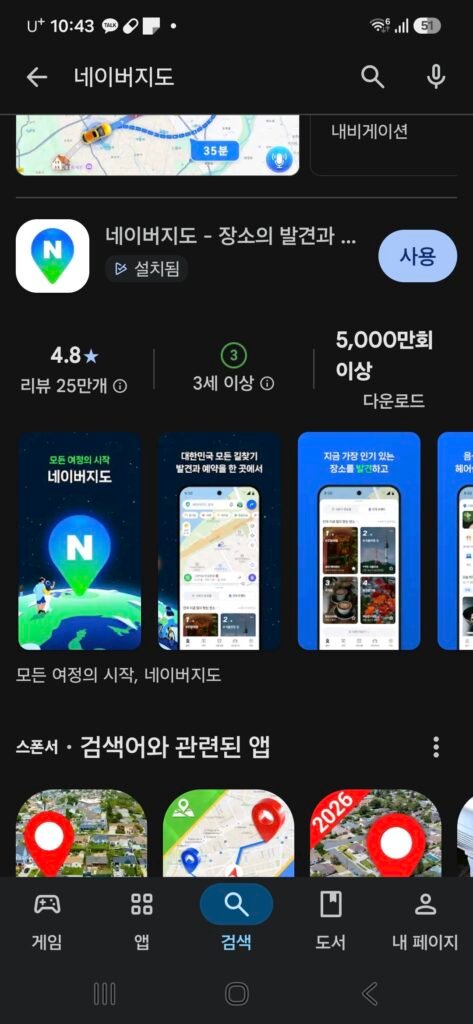
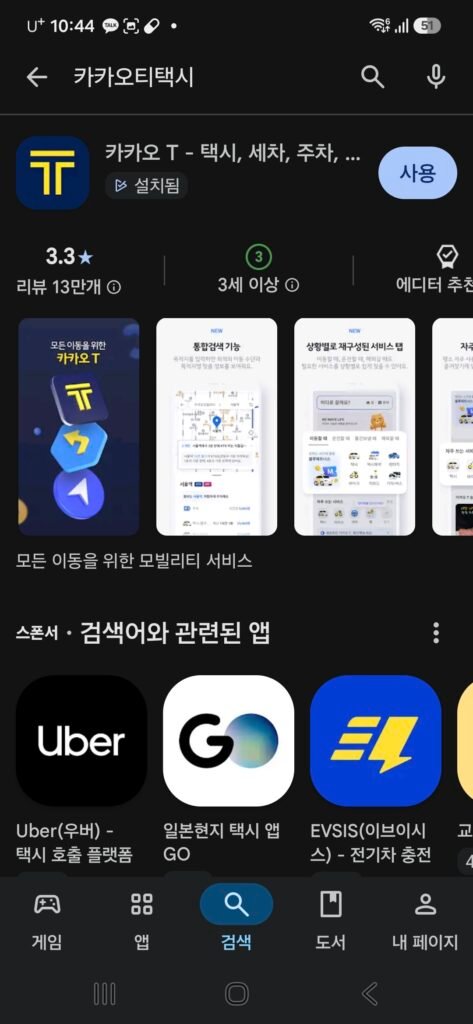
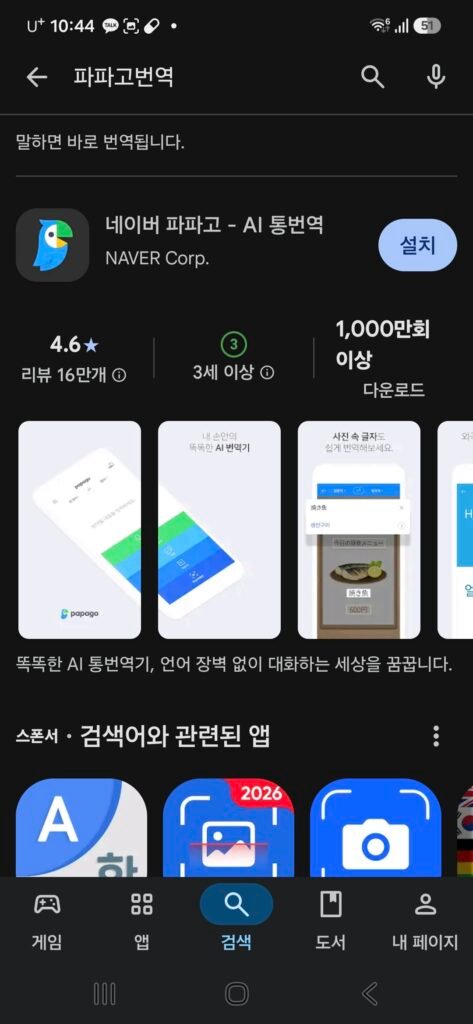
You don’t need to fill your phone with Korea travel apps before your trip. For a first visit, I would start with just three: NAVER Map, Papago, and Kakao T.
NAVER Map
This is the map app I would install first. Google Maps can still be useful in Korea, but NAVER Map is generally much more useful for finding places, checking public transport routes, and navigating around Korean cities.
Papago
Papago is especially useful for Korean translation. You can type or speak into it, and the camera translation feature can help with menus, signs, notices, and other Korean text you come across during your trip.
Kakao T
Kakao T is one of the main taxi apps used in Korea. Having it installed before your trip can save you from trying to set everything up for the first time when you actually need a taxi.
You may end up installing other apps depending on your plans, but these three cover most of the basics for getting around, translating Korean, and calling a taxi.
4. Don’t Bring Just One Way to Pay
International credit and debit cards work in many places in Korea, especially hotels, department stores, convenience stores, restaurants, and larger shops.
But don’t rely on a single card for your entire trip. A foreign card can occasionally be declined even when it normally works, and some ticket machines, kiosks, or smaller businesses can be less predictable with overseas cards.
I would bring at least two cards from different payment networks if possible, and keep a small amount of Korean won as backup.
Before leaving home, also check that your cards can be used overseas and make sure you know what your bank charges for foreign transactions or ATM withdrawals.
You don’t need to carry a huge amount of cash in Korea. The important thing is simply not having your entire trip depend on one card.
5. Don’t Exchange Too Much Cash Before Your Trip
You don’t need to arrive in Korea carrying a large amount of Korean won. Cards are widely used, so for most travelers, cash works better as a backup than as the main way to pay.
It is still useful to have some cash for places where cards may not be convenient, and you may also need cash when buying or topping up certain transport cards.
If you want some won in your wallet when you land, exchanging a small amount before your trip is fine. You can exchange more later in Korea or withdraw cash from an ATM if needed.
The main point is simple: bring some backup cash, not your entire travel budget in cash.
6. Decide How You’ll Get from the Airport to Your Accommodation
After a long flight, the last thing you want is to stand at Incheon Airport trying to compare trains, buses, and taxis for the first time.
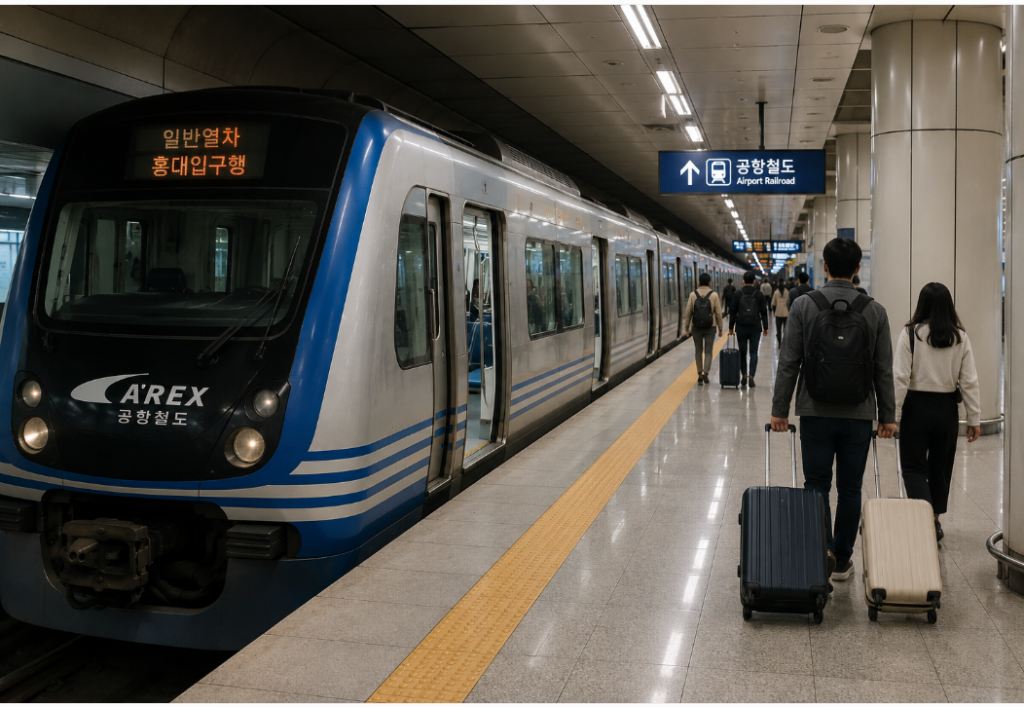
You don’t need to memorize every transport option before your trip. Just decide which route makes the most sense for your first destination.
Depending on where you’re staying, the best choice may be the AREX train, an airport limousine bus, a combination of train and subway, or a taxi.
The cheapest option is not always the easiest, especially if you’re arriving late, carrying large luggage, or traveling with several people.
If you’re staying in Myeongdong or Hongdae, I’ve already broken down the routes, prices, and practical differences in separate guides.
Incheon Airport to Myeongdong →
Even if you don’t book anything in advance, knowing your first route before you land makes arrival much less stressful.
7. You Don’t Need to Buy a T-money Card Before Leaving Home
A T-money card is useful for buses and subways in Korea, but you don’t need to buy one before your flight.
You can easily buy a T-money card after you arrive in Korea, including at many convenience stores and transport locations.
What is more important is knowing that you may need Korean won to add money to the card, depending on where and how you top it up.
So there is no real advantage in stressing about getting a transport card before departure. Arrive first, buy one when you need it, and add a small amount to start.
If you’re planning to use Seoul’s subway a lot, I also have a separate guide explaining how the system works.
8. Five Things in Seoul Worth Booking Before You Arrive
You don’t need to book your entire Korea trip before you fly. But there are a few things in Seoul that I would check early, either because popular dates can sell out or because online tickets can be cheaper than buying them on the day.
If any of these are important to your trip, don’t leave them until your last day.
1. K-pop Concerts and Fan Meetings
If seeing a K-pop concert is one of the main reasons you’re coming to Korea, start checking before your flight. Popular concerts and fan events can sell out quickly, and some ticket sales open weeks before the actual performance.
Instead of searching dozens of sites, you can check upcoming performances by date in my Korea concert finder.
Check K-pop concerts during your trip →
2. DMZ Tours
DMZ tours operate on fixed schedules, and popular departure times can fill up on busy travel dates. Different tours also include different stops, so don’t compare them by price alone.
Compare before booking: prices, departure times, cancellation terms, and included stops can vary by date and tour.
3. Lotte World Adventure
Lotte World is especially busy on weekends, public holidays, and school vacation periods. Buying online before you go can save time, and discounted online tickets are often available.
Worth checking: the online price can be noticeably lower than the regular gate price, but discounts change depending on the date and promotion.
Check Lotte World tickets on Trip.com →
4. N Seoul Tower
N Seoul Tower isn’t something you always need to reserve weeks ahead, but it is still worth checking online tickets before paying at the attraction.
Why book online? advance tickets are sometimes sold below the regular admission price, so even a same-week booking may save you money.
Check N Seoul Tower tickets on Trip.com →
5. Seoul Sky
Seoul Sky at Lotte World Tower is another attraction worth checking before you go. This is especially true if you want a particular date or plan to add an experience with limited time slots.
Online tickets can also be cheaper than the regular price, so check the current deal before buying at the ticket counter.
Check Seoul Sky tickets on Trip.com →
Booking early isn’t only about avoiding sold-out tickets. For some Seoul attractions, online tickets can also be cheaper than buying at the gate.
9. Final Korea Travel Preparation Check Before You Fly
Before you leave for the airport, you don’t need a perfectly planned Korea itinerary. Just make sure the few things that are difficult to fix after landing are already sorted out.
A day or two before your flight, check that:
- your passport and entry requirements are sorted
- your eSIM or mobile data plan is ready
- NAVER Map, Papago, and Kakao T are installed
- your cards are enabled for overseas use
- you have a small amount of Korean won or a plan to withdraw cash after arrival
- you know how you’re getting from Incheon Airport to your accommodation
- anything important with limited availability has already been booked
You can buy a T-money card after you arrive, withdraw more cash if you need it, and decide most of your sightseeing day by day.
The goal isn’t to plan every hour of your Korea trip. It’s simply to make your first few hours in Korea easier.
I hope your time in Korea leaves you with some truly beautiful memories to take home with you.
And when your trip is over, I’d love to know what stayed with you the most. Maybe it was a place you visited, a meal you still think about, or even a small moment you didn’t expect.
If you have one, please share it in the comments below. Hearing what travelers actually remember and enjoy in Korea helps me a lot when deciding what to write about next.