
Best Time to Visit Korea: A Month-by-Month Guide (2026)
Planning your first trip to South Korea and wondering when to go? The truth is that there is no single perfect month for everyone. The best time depends on whether you want comfortable weather, cherry blossoms, autumn colors, snow, lower prices, or fewer crowds.
For most first-time visitors, April to May and October to early November are among the easiest times to travel in Korea.
The weather is generally more comfortable for walking and sightseeing than during Korea’s hot, humid summer or cold winter.
☀️ Warm-weather travel: May and early June
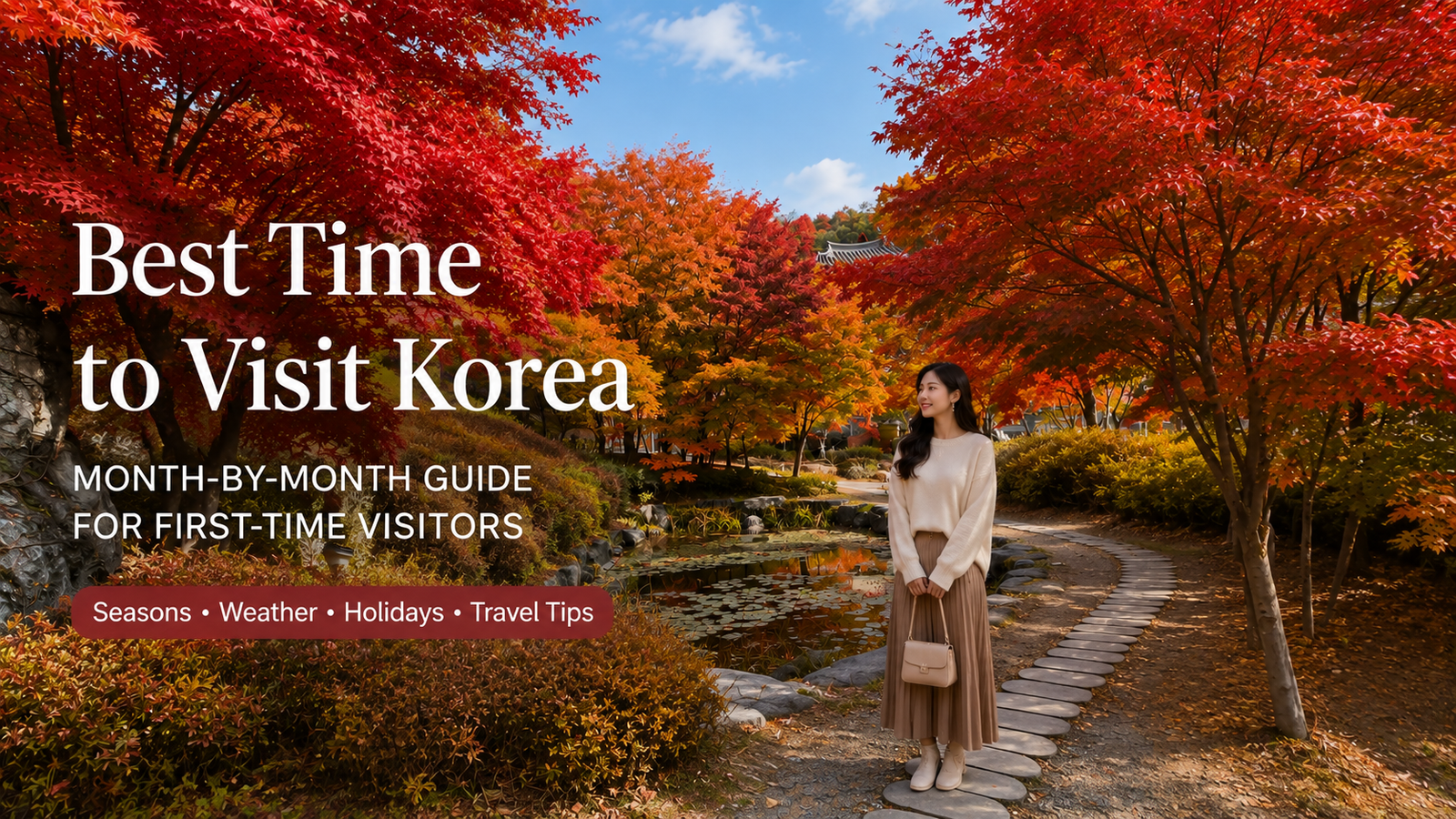
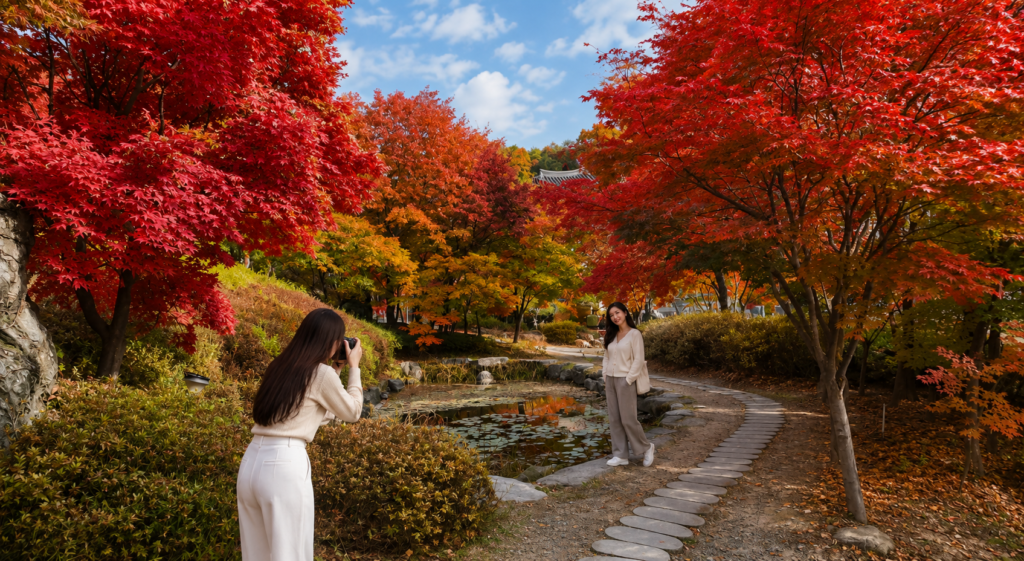
🍁 Autumn weather & foliage: October to early November
❄️ Snow & ski trips: December to February
💰 Lower crowds / better value: Consider less-popular periods outside major holidays and peak blossom or foliage weeks
If this is your first trip to Korea and you simply want comfortable weather for Seoul, Busan, traditional markets, palaces, cafés, and lots of walking, May or October are excellent starting choices.
Do not choose your travel dates based only on cherry blossom or autumn foliage photos you see online.
Blooming, foliage, rain, heat, and even the first snowfall can shift from year to year. Use seasonal patterns to choose your month, then check the latest forecast closer to your trip.
Korea Month by Month: What to Expect
Korea has four very different seasons, so the experience can change dramatically depending on when you visit. Use this table as a quick starting point before choosing your travel dates.
| Month | What It Feels Like | Good For | Keep in Mind |
|---|---|---|---|
| January | Very cold and dry | Snow, skiing, winter scenery | Freezing temperatures can make long outdoor days difficult |
| February | Cold, gradually changing toward spring | Winter travel, fewer spring crowds | Warm clothing is still essential |
| March | Cool and changeable | Early spring sightseeing | Warm afternoons can turn into cold evenings |
| April 🌸 | Mild spring weather | Cherry blossoms, walking, sightseeing | Popular blossom locations can be very crowded |
| May ⭐ | Warm and generally comfortable | Excellent all-around first trip | Popular weekends and holidays can be busy |
| June | Warm, becoming more humid | Early-summer travel | Rain and humidity become more important later in the month |
| July 🌧️ | Hot, humid and often rainy | Indoor attractions, cafés, shopping | Rainy periods and high humidity can disrupt outdoor plans |
| August ☀️ | Very hot and humid | Beaches, summer activities | Long sightseeing days can be exhausting in the heat |
| September | Warm, gradually becoming more comfortable | City trips, early autumn travel | Early September can still feel like summer |
| October ⭐ | Cool, comfortable autumn weather | One of the best months for a first trip | Popular destinations can be busy |
| November 🍁 | Cool to cold | Autumn scenery, especially earlier in the month | Temperatures can drop quickly as winter approaches |
| December ❄️ | Cold and dry | Winter atmosphere, lights, ski season | Do not assume Seoul will have snow every day |
May: A great choice for comfortable spring travel.
October: One of the easiest months for walking, sightseeing, and outdoor activities.
For a first trip to Korea, these two months are difficult to beat.
Weather varies by region and year. Seoul, Busan, Jeju, and mountain areas can experience noticeably different conditions during the same month.
Spring in Korea: March to May
Spring is one of the most popular times to visit Korea, especially for first-time travelers who want comfortable sightseeing weather and seasonal scenery.
But spring does not feel the same from March through May. Early March can still feel cold, April is famous for cherry blossoms, and May is usually the easiest month for long days of walking and outdoor travel.
March: Spring Starts, but It Can Still Feel Cold
March is a transition month. Some afternoons can feel pleasantly mild, but mornings and evenings may still be cold enough for a jacket.
If you are visiting Seoul in March, do not pack only light spring clothes just because the calendar says spring.
April: Cherry Blossom Season
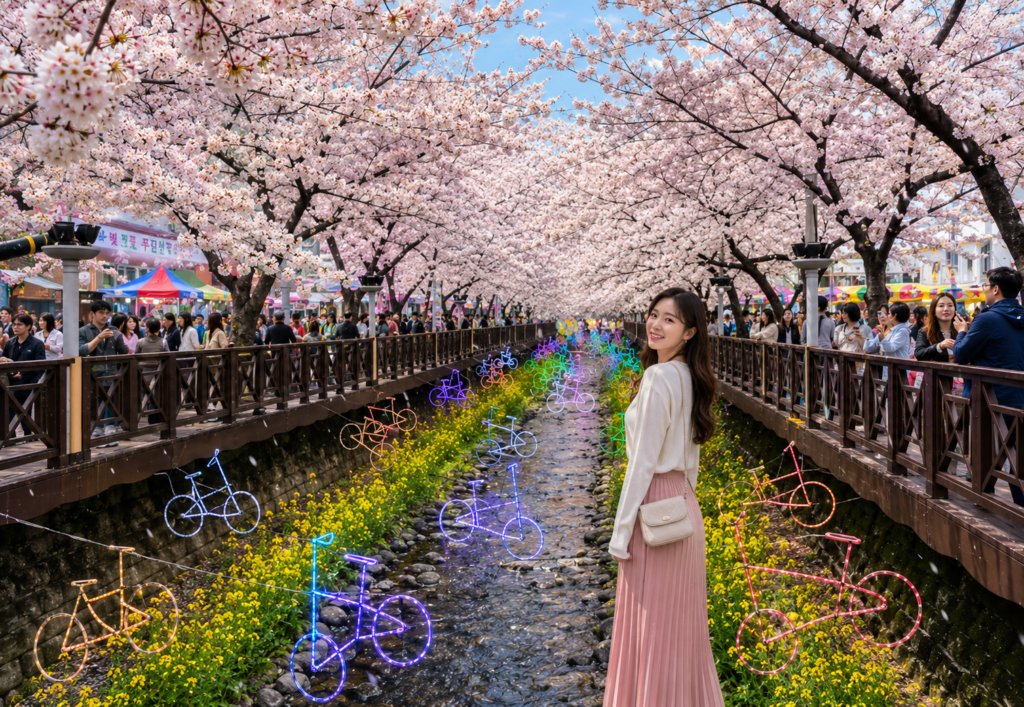
April is one of Korea’s most famous travel months because cherry blossoms appear across many parts of the country.
The exact bloom period changes every year and also varies by region. Southern areas such as Jeju and Busan generally see spring flowers earlier than Seoul and northern areas.
Cherry blossom forecasts are useful, but weather can move the bloom earlier or later.
If cherry blossoms are the main reason for your trip, give yourself several days in one region rather than planning everything around one exact date.
May: One of the Best Months for a First Trip
If your priority is comfortable weather rather than cherry blossoms, May is one of the easiest months to recommend.
Days are generally warmer, evenings are more comfortable, and you can spend long hours exploring areas such as Seoul, Busan, Gyeongju, and Jeju without the intense humidity of midsummer.
Choose spring if you want:
✓ Comfortable walking weather
✓ Cherry blossoms and spring flowers
✓ Palaces, markets, parks, and outdoor cafés
✓ A first trip without Korea’s strongest summer heat or winter cold
Check the Latest Weather Before You Travel
Spring weather can change quickly, especially in March and early April. Before packing, check the latest forecast from the Korea Meteorological Administration .
Want to see more cherry blossoms without planning every stop yourself?
This Seoul-based cherry blossom day tour is a convenient option for first-time visitors who want to enjoy seasonal spring scenery, photo spots, and nearby attractions in one day.
The tour is especially useful if cherry blossoms are one of the main reasons for your Korea trip but you do not want to organize transportation between several locations on your own.
Affiliate link: We may earn a commission if you book through this link, at no extra cost to you.

Summer in Korea: June to August
Summer in Korea can be fun, but it is the season first-time visitors are most likely to underestimate.
The main issue is not simply high temperatures. Heat, humidity, and periods of heavy rain can make a full day of walking around Seoul much more tiring than the temperature alone suggests.
June: Good Early, More Humid Later
Early June can still be a pleasant time to travel, with warm weather that is generally easier to handle than midsummer.
As the month progresses, however, humidity increases and Korea’s summer rainy period can begin. If you are flexible with your dates, early June is usually easier for outdoor sightseeing than July or August.
July: Rain and Humidity Can Change Your Plans
July is typically one of the wettest periods of the Korean summer. Rain does not necessarily fall all day every day, but heavy rainfall can arrive in concentrated periods.
That matters if your itinerary is built around palaces, traditional villages, hiking, outdoor markets, or walking between neighborhoods.
Korea’s summer rainy period is commonly called jangma (장마).
It does not mean that it rains continuously for an entire month. Some days may be dry, while other periods can bring very heavy rain.
Because the timing and intensity vary from year to year, check the latest forecast rather than choosing your trip from an old rainy-season calendar.
August: The Heat Can Be the Hardest Part
August can be extremely hot and humid, especially in cities such as Seoul.
If your ideal Korea trip means walking from morning until night, visiting outdoor attractions, and exploring several neighborhoods in one day, August may feel much harder than spring or autumn.
On the other hand, summer can still work well if your trip focuses on beaches, cafés, shopping, museums, indoor attractions, or a slower itinerary with regular air-conditioned breaks.
Late summer can also bring typhoons or periods of severe weather affecting parts of Korea.
This does not mean you should automatically avoid Korea in August, but keep some flexibility in your itinerary and check weather alerts if a storm is approaching.
Summer can still be a good choice if you want:
✓ Beaches and coastal trips
✓ Summer festivals and seasonal activities
✓ Shopping, cafés, museums, and indoor attractions
✓ A trip where hot weather is not a major problem for you
If you dislike heat and humidity and have flexible travel dates, spring or autumn will usually be easier for a first trip.
Check the Forecast During Your Trip
Summer conditions can change quickly. Before planning outdoor activities, check current forecasts and weather alerts from the Korea Meteorological Administration .
Summer days in Seoul can be hot and humid, so an evening activity can be much more comfortable than spending the entire day outdoors.
This Han River night tour combines a riverside picnic, games, and a night cruise, making it a good option for travelers who want to enjoy Seoul after the daytime heat begins to cool down.
It is especially suitable for first-time visitors looking for a relaxed summer evening experience without planning several activities separately.
Affiliate link: We may earn a commission if you book through this link, at no extra cost to you.
Autumn in Korea: September to November
Autumn is one of the best seasons to visit Korea. The summer humidity gradually disappears, outdoor sightseeing becomes much more comfortable, and fall colors begin spreading across the country.
If this is your first trip and you want to spend a lot of time walking around Seoul, visiting palaces, markets, neighborhoods, and outdoor attractions, October is one of the easiest months to recommend.
September: Autumn Does Not Start Immediately
Do not assume that September automatically means cool autumn weather.
Early September can still feel hot and humid, especially during the daytime. Conditions usually become more comfortable as the month progresses.
September can be a good compromise if you want warmer weather without traveling during the middle of summer, but late-summer storms or typhoons can still occasionally affect travel plans.
October: One of the Best Months to Visit Korea
For many first-time travelers, October offers one of the best combinations of weather and sightseeing conditions in Korea.
Days are generally much easier for walking than in midsummer, humidity is lower, and outdoor destinations become more enjoyable.
It is a particularly good time for exploring Seoul on foot, visiting traditional neighborhoods and palaces, hiking, or adding destinations such as Gyeongju to your itinerary.
If cherry blossoms, snow, or beach weather are not essential to your trip, October is one of the safest overall choices for a first visit to Korea.
It is especially suitable for travelers planning long sightseeing days and lots of walking.
November: Autumn Colors, Then a Fast Move Toward Winter
November can still offer beautiful autumn scenery, particularly earlier in the month and in areas where foliage arrives later.
But Korea can cool down quickly during November. By later in the month, mornings and evenings may feel much closer to winter than the autumn photos you saw when planning your trip.
Fall colors do not peak everywhere in Korea at the same time.
Mountain and northern areas generally change earlier, while Seoul and southern regions can reach their best colors later.
If autumn foliage is the main reason for your trip, check the latest seasonal information shortly before traveling instead of relying on an exact date from a previous year.
Autumn is especially good if you want:
✓ Comfortable weather for long sightseeing days
✓ Autumn foliage and outdoor scenery
✓ Palaces, traditional neighborhoods, markets, and hiking
✓ Less humidity than summer
✓ One of the easiest seasons for a first trip to Korea
Check Current Conditions Before Your Trip
Temperatures and foliage timing vary from year to year. Check the latest forecast from the Korea Meteorological Administration before packing or planning weather-sensitive outdoor activities.
If autumn foliage is one of the main reasons for your Korea trip, a guided day tour can make it much easier to see several popular seasonal destinations without arranging transportation on your own.
This tour combines Seoraksan National Park, Nami Island, and the Garden of Morning Calm, giving first-time visitors a full day of mountain scenery, autumn colors, and some of Korea’s best-known outdoor attractions.
It is a practical option if you are staying in Seoul but want to experience Korea’s autumn scenery beyond the city.
Affiliate link: We may earn a commission if you book through this link, at no extra cost to you.
Winter in Korea: December to February
Winter in Korea is cold and dry, especially in Seoul and inland areas. It can be a great season for snow, skiing, winter scenery, and indoor attractions — but first-time visitors should be prepared for temperatures that can feel much colder than expected.
December: Winter Begins
December brings colder days, dry air, and a noticeable change from late autumn. By the end of the month, proper winter clothing is usually necessary, particularly if you plan to spend long periods outdoors.
You may see snow during a December trip, but do not choose Seoul expecting snow-covered streets every day. Snowfall varies, and snow in the city can melt relatively quickly.
January: Usually the Toughest Cold
January is typically one of the coldest parts of the Korean winter. Cold winds can make outdoor sightseeing feel even harsher, particularly in the morning and at night.
If your itinerary includes palaces, traditional villages, markets, or long walks through Seoul neighborhoods, plan regular indoor stops at cafés, restaurants, museums, or shopping areas.
For a winter trip, bring or plan to buy a warm insulated coat and dress in layers.
Gloves, a scarf, warm socks, and shoes suitable for cold weather can make a major difference if you spend several hours outside.
Korean buildings, subways, cafés, and shops are usually heated, so layers are more practical than wearing one extremely heavy outfit indoors.
February: Still Winter, but Spring Is Getting Closer
February is still a winter month, and cold spells are possible. Do not assume that late February will already feel like spring.
Conditions gradually begin changing as March approaches, but travelers should still pack for genuine winter weather.
Winter Is the Best Choice for Skiing
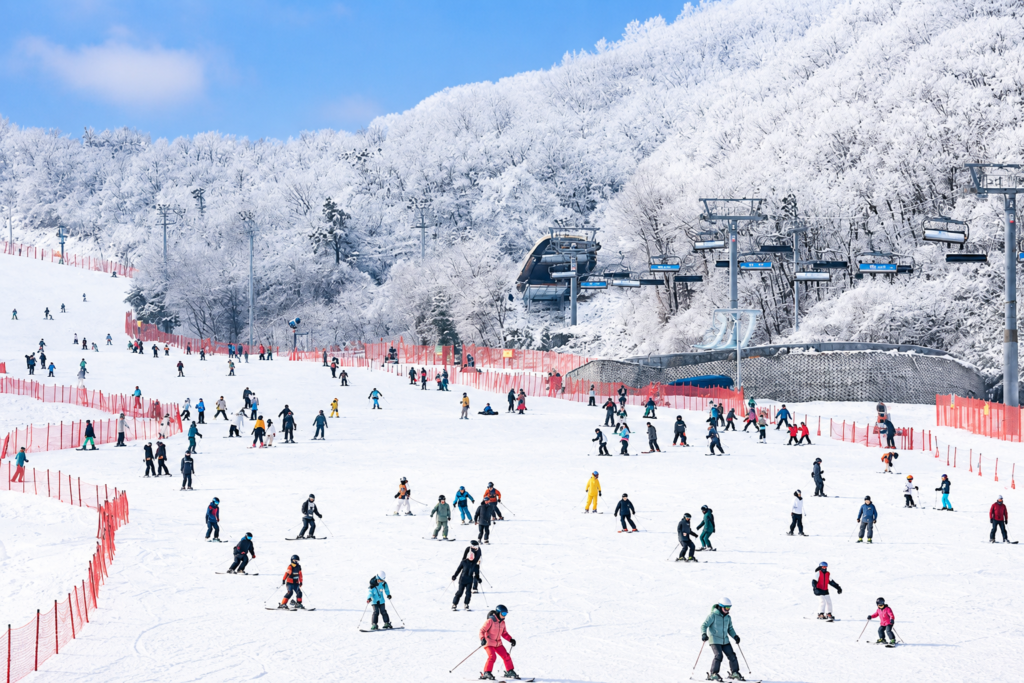
If skiing or snowboarding is one of the main reasons for your trip, winter becomes a very different proposition.
Several ski resorts are accessible from Seoul, while Gangwon Province is one of Korea’s major winter-sports regions. Resort opening dates and snow conditions vary each season, so check current conditions before booking a ski-focused trip.
A winter visit increases your chances of seeing snow, but snowfall in Seoul is never guaranteed for your exact travel dates.
If snow is a major priority, mountain areas and ski destinations generally offer a better winter experience than planning your entire trip around snowfall in central Seoul.
Winter can be a great choice if you want:
✓ Skiing or snowboarding
✓ Winter scenery and seasonal atmosphere
✓ Fewer concerns about summer heat and humidity
✓ A trip combining outdoor activities with cafés, shopping, museums, and food
If you strongly dislike cold weather and plan to walk outside all day, spring or autumn will usually be more comfortable.
Check Winter Weather Before You Go
Cold waves and snowfall can change travel conditions quickly. Check the latest forecast and weather alerts from the Korea Meteorological Administration before your trip.
If skiing or snowboarding is one of the main reasons for your winter trip, joining a day tour from Seoul can make the experience much easier for a first-time visitor.
This Vivaldi Park ski day tour is a convenient option for travelers who want to enjoy Korea’s winter sports without arranging transportation to the resort on their own.
It is especially useful if you are staying in Seoul and want to add a full winter activity day to your itinerary.
Affiliate link: We may earn a commission if you book through this link, at no extra cost to you.
Best Time to Visit Korea by Traveler Type
Still not sure when to visit? Instead of choosing by season, choose the month that best matches the kind of trip you actually want.
| What You Want | Best Time | Why |
|---|---|---|
| First trip to Korea | May or October ⭐ | Comfortable weather and easy sightseeing |
| Cherry blossoms 🌸 | Late March–April | Bloom timing varies by region and year |
| Autumn colors 🍁 | October–November | Foliage moves through Korea at different times |
| Lots of walking | April–May / October | Generally easier than midsummer or midwinter |
| Beaches & summer activities 🏖️ | July–August | Best suited to coastal and summer-focused trips |
| Skiing & snowboarding 🎿 | December–February | Main winter-sports season |
| Avoid extreme heat | April–May / October | Avoids the hottest part of summer |
| Avoid extreme cold | April–June / September–October | Avoids the coldest winter months |
| Fewer seasonal crowds | March / June / November | Can avoid some peak blossom and foliage periods |
🌿 May — Choose it if you prefer warmer spring weather, green scenery, and comfortable outdoor sightseeing.
🍁 October — Choose it if you prefer cooler weather, lower humidity, and long days of walking around Korea.
For most first-time visitors without a specific seasonal goal, either month is an excellent choice.
Good weather does not always mean cheaper travel.
Cherry blossom season, autumn foliage periods, weekends, and major Korean holidays can increase demand for flights, hotels, trains, and popular attractions.
If your dates are flexible, compare accommodation prices across several nearby dates before booking.
Korean Holidays That Can Affect Your Trip
Weather is not the only thing to consider when choosing your travel dates. Major Korean holidays can affect transportation, hotel demand, opening hours, and how crowded popular destinations become.
Seollal (Lunar New Year)
Seollal is one of Korea’s most important family holidays. Large numbers of people travel across the country to visit their hometowns and relatives.
If your trip overlaps with Seollal, intercity trains and buses can be much harder to book. Some independent restaurants, shops, and local businesses may also close or operate shorter hours.
Chuseok (Korean Thanksgiving)
Chuseok is another major family holiday and creates a similar nationwide travel rush.
This matters most if you plan to travel between cities such as Seoul, Busan, Gyeongju, or other regional destinations during the holiday period.
You do not need to avoid Korea just because your trip overlaps with Seollal or Chuseok.
But if you need a long-distance train or bus during a major holiday, do not assume you can simply arrive at the station and buy the ticket you want.
Plan intercity transportation early and check attraction and restaurant opening hours.
Other Public Holidays
Korea also has several other public holidays throughout the year. These usually do not affect travel as dramatically as Seollal or Chuseok, but popular attractions and domestic travel destinations can become busier around long weekends.
Before booking a multi-city itinerary, check whether your dates overlap with a major Korean holiday.
This is especially important if your itinerary includes KTX trains, intercity buses, domestic flights, or popular regional destinations.
Check the Dates Before Booking
Seollal and Chuseok follow the lunar calendar, so their dates change each year. For current holiday and travel information, check the Korea Tourism Organization’s official VisitKorea website when planning your trip.
Frequently Asked Questions
What is the best month to visit Korea for the first time?
For most first-time visitors, May or October are excellent choices. Both usually offer comfortable weather for walking, sightseeing, markets, palaces, and day trips.
When is cherry blossom season in Korea?
Cherry blossoms generally appear from late March through April, but the exact timing changes each year and varies by region. Southern areas such as Jeju and Busan usually bloom earlier than Seoul.
Is summer a bad time to visit Korea?
Not necessarily. Summer can be fun for beaches, water parks, cafés, shopping, and evening activities. However, July and August can be very hot and humid, so travelers who dislike heat may prefer spring or autumn.
When is the best time to see autumn foliage in Korea?
Autumn colors generally appear during October and November. Mountain and northern areas usually change first, while Seoul and southern regions may reach peak colors later.
Does it snow in Seoul during winter?
Yes, Seoul can receive snow from December through winter, but snow on your exact travel dates is never guaranteed. If snow is a major goal, ski resorts and mountain areas generally offer a better chance of a full winter experience.
Final Recommendation: When Should You Visit Korea?
If this is your first trip to Korea and you do not have a specific seasonal goal, May and October are the easiest months to recommend.
May gives you warmer spring weather and green scenery, while October offers cooler temperatures, lower humidity, and excellent conditions for long sightseeing days.
🌸 Cherry blossoms: Late March–April
🌿 Best spring weather: May
☀️ Summer activities: June–August
🍁 Best autumn weather: October
❄️ Snow & skiing: December–February
⭐ First trip with no special seasonal goal: May or October
Planning Your First Trip to Korea?
Once you have chosen your travel dates, the next step is planning how to get around after you arrive.
If you will be using public transportation in Seoul, start with our Seoul Subway Guide for First-Time Visitors .
Flying into Incheon Airport? You can also read our Incheon Airport to Myeongdong Guide or Incheon Airport to Hongdae Guide .
Do not wait for a “perfect” month if your schedule is limited.
Korea can be enjoyable in every season as long as you understand the weather, crowds, and seasonal conditions before you arrive.
Reader Question
Which month are you planning to visit Korea?
If you are deciding between two months, leave them in the comments and tell us what matters most to you — weather, cherry blossoms, food, shopping, hiking, autumn colors, snow, or fewer crowds.